
Hey there! Let’s chat about something super important, but often overlooked: getting your home ready for those “just in case” moments. We’re talking about Home Emergency Preparedness, and it’s basically your secret weapon for keeping your family safe and sound when unexpected problems pop up. Think of it as having a solid plan and the right gear so you’re not scrambling when bad things happen.
Imagine a big storm that knocks out power for days, or a sudden flood that forces you to leave your cozy home in a hurry. Maybe it’s even something smaller, like a kitchen fire that makes you step outside for a bit. Being ready means you’ve got flashlights, some food, clean water, and a clear idea of what to do. It means you know exactly where to meet up if you get separated. It’s all about being proactive, not reactive.
Ever wonder what you’d do if the lights stayed off for a really long time? What if you had to grab your essentials and go, fast? Do you have enough food and water to last a few days? Are your important papers tucked away safely? Life, as we all know, can throw some curveballs. When things go sideways, being prepared makes a heck of a lot of difference. It helps you stay calm, think clearly, and keep everyone safe. This guide is here to walk you through it, step by simple, reassuring step. Home emergency preparedness isn’t just a chore; it’s your peace of mind, your plan, and your supplies to keep your family safe and comfortable when unexpected problems hit your home.
What is Home Emergency Preparedness and Why Does It Matter?
So, what exactly is home emergency preparedness? Simply put, it’s taking smart steps to get your house and your loved ones ready for those curveballs life throws at us. This means gathering supplies, putting a plan together, and knowing what to do if something unexpected happens. We’re talking about everything from natural disasters like hurricanes or earthquakes to power outages, or even just a sudden event that totally messes with your normal routine. The big goal? To keep everyone safe, fed, and secure until help arrives or things get back to normal. This kind of preparation helps you face tough times with more confidence and a lot less fear, knowing you’ve done your best to protect the people you care about most.
And why does it matter so much? Well, honestly, it’s all about protecting you and your loved ones. When an emergency strikes, it can be scary, confusing, and chaotic. But if you’ve got a plan and the right stuff on hand, you can act quickly and calmly. This can seriously prevent injuries, dial down the stress levels, and even save lives. Plus, it helps you bounce back faster after the event. Without some preparation, you might find yourself facing bigger problems – like no food, no water, or no way to talk to anyone – making an already tough situation even harder. Your readiness gives you a sense of control when everything else feels out of control, and that makes a real difference in how you get through a crisis.
Building Your Basic Emergency Kit: Essential Supplies
Alright, let’s talk about your emergency kit – your go-to stash when things get rough. Think of it as your family’s survival box, packed with the essentials you’ll need to get by for a few days.
Water and Food Supplies
First up, water! You’ll need enough for at least three days, aiming for one gallon per person, per day. Store bottled water in a cool, dark spot, away from direct sunlight. For food, stick to non-perishable items that don’t need cooking or refrigeration. Canned goods (like veggies, fruit, or tuna), energy bars, and dried fruit are fantastic choices. Don’t forget a manual can opener – you’d be surprised how often that gets overlooked! Make it a habit to check expiration dates every six months and swap out anything that’s past its prime. Having these basics means you won’t go hungry or thirsty if stores are closed or the tap water isn’t safe to drink.
First Aid and Medicine
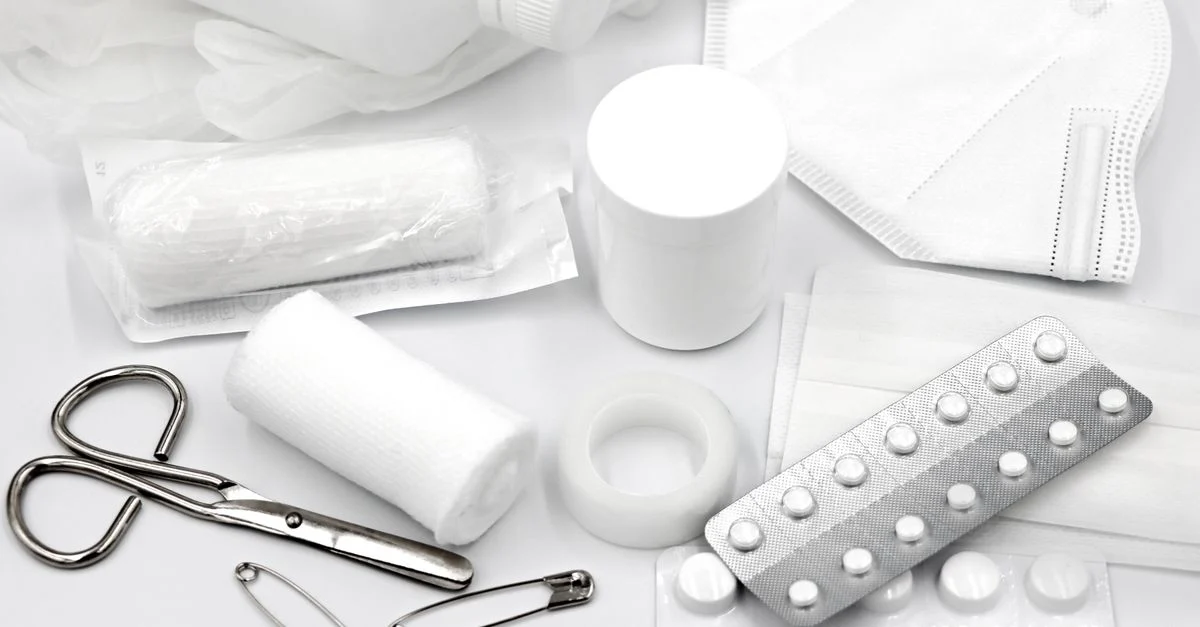
A well-stocked first aid kit is an absolute must-have. Make sure it includes bandages of various sizes, antiseptic wipes, pain relievers, and any personal prescription medicines your family members need. It’s smart to keep a written list of everyone’s medications and dosages too. And hey, don’t forget hygiene items like hand sanitizer and wet wipes – they’re super important when water might be scarce. Knowing you can handle small injuries or manage ongoing health needs without immediate medical help brings a huge sense of peace during a crisis. Give your kit a quick check often to replace anything used or expired.
Light, Power, and Communication
When the lights go out, you’ll be glad you have flashlights with plenty of extra batteries. Headlamps are also brilliant because they keep your hands free for other tasks. Grab a battery-powered or hand-crank radio so you can tune into news and emergency updates – staying informed is key! A power bank for charging phones is incredibly important these days. And a whistle? It might seem small, but it can help you signal for help if you’re ever in a bind. These items ensure you can see in the dark, stay informed, and reach out if necessary, even when the power grid is totally down.
Important Documents and Cash
This one’s a biggie. Keep copies of important papers like IDs, insurance policies, birth certificates, and even deeds or titles in a waterproof, easy-to-grab bag. Store this bag in a safe, accessible spot. Also, make sure you have some cash on hand. ATMs and card machines might not work during power outages, so a little physical money can be a lifesaver for buying essentials. Access to these documents and money can be vital for proving who you are, getting help, or buying supplies when electronic systems fail.
Other Comfort and Safety Items
Beyond the basics, think about things that will make a tough situation a little more bearable. Include warm blankets, a complete change of clothes for everyone, and some basic tools – a multi-tool is incredibly handy! If you have pets, don’t forget their food, water, and any medications they need. And for the little ones, a small comfort item like a favorite toy or book can make a world of difference in helping them feel safer and less stressed. These extra items can truly make a difficult situation much more bearable for everyone in your family.
Creating a Family Emergency Plan: Who Does What?
Having a kit is great, but a plan is what truly brings it all together. Let’s figure out who does what when an emergency hits.
Meeting Places
You’ll want two meeting places. One should be right outside your home for sudden events like a fire – somewhere safe like a neighbor’s driveway or a big tree. The second spot should be outside your neighborhood, in case you can’t get back home. Think of a local park, a community center, or a friend’s house a few miles away. Make sure everyone in the family knows these spots by heart. Practice going to them so everyone remembers. Knowing exactly where to go helps reduce confusion and fear, making sure everyone can find each other quickly and safely after an emergency.
Communication Strategy
Decide on an out-of-state contact person. Why out-of-state? Because if local phone lines are jammed or down, it’s often easier to make a long-distance call. Everyone in your family should know this person’s number by heart. Teach your kids how to call for help and how to reach this contact. Remember, text messages often get through when calls don’t, so keep that in mind too. Having a clear way to communicate, even when you’re apart, is absolutely vital for knowing everyone is safe.
Evacuation Routes and Procedures
It’s smart to know different ways to leave your home and neighborhood. Don’t just rely on one main road! Practice these routes, maybe during a weekend drive. If you need to evacuate, know where you’ll go – whether it’s a friend’s house, a designated shelter, or a hotel. And here’s a pro tip: try to keep your car’s gas tank at least half full, especially if you live in an area prone to quick evacuations. Planning your escape routes means you can leave quickly and safely if your home becomes unsafe, avoiding panic and delays.
Assigning Roles and Responsibilities
Everyone in the family, even the kids, can have a role! One person might be in charge of grabbing the emergency kit, another for making sure the pets are safe, and another for checking on elderly neighbors. Even young children can have simple tasks, like knowing where the flashlights are. This helps everyone feel involved and ready, and it takes some of the pressure off one person. When everyone knows their job, the family can work together smoothly and effectively during a crisis, making the situation much easier to manage.
Practice and Review
Your emergency plan is only as good as your practice! Have drills for different scenarios – a fire drill, a power outage drill, or even a “what if we need to leave quickly” drill. Review your plan every six months, or whenever your family situation changes (like adding a new baby or moving to a new house). Make sure everyone understands their part and what to do. Regular practice helps everyone remember the steps and builds confidence, so you can react without thinking too much when a real emergency happens.
Protecting Your Home: Simple Steps Before a Crisis
Beyond your kit and plan, there are some easy things you can do around the house to make it safer and more resilient.
Securing Your Property
Before a big storm rolls in, take a few minutes to bring in outdoor furniture, trash cans, and anything else that could blow away and become a projectile. Trim any dead or weak tree branches that could fall on your house or power lines. And don’t forget to clear your gutters – this helps prevent water damage to your roof and foundation. These small steps can prevent bigger problems, like broken windows or roof damage, saving you money and a whole lot of stress after an event. Taking time to secure your home helps keep it safe and sound.
Utility Shut-Offs
This is super important! Know exactly where your main water shut-off valve is. Also, know how to safely turn off your gas and electricity. This knowledge is critical in case of a burst pipe, a gas leak, or an electrical fire. Make sure you have the right tools, like a wrench for the gas valve, and know how to use them before an emergency. Being able to quickly shut off utilities can prevent serious damage to your home and keep your family safe from hazards.
Smoke Detectors and Carbon Monoxide Alarms
Let’s talk about these lifesavers. Install smoke detectors on every level of your home and inside each bedroom. Test them monthly (just push that little button!) and change the batteries twice a year – a good reminder is when you change your clocks for daylight saving time. Also, install carbon monoxide detectors, especially if you have gas appliances, a fireplace, or an attached garage. These alarms give you early warnings that can literally save lives by alerting you to dangers you cannot see or smell. They’re a small investment for huge safety.
Home Inventory
Nobody wants to think about losing their belongings, but it’s smart to be prepared. Make a detailed list or take photos/videos of your valuable possessions. This helps immensely with insurance claims if your home is ever damaged or destroyed. Store this inventory in a safe place, like a cloud service, an external hard drive kept off-site, or a safety deposit box, away from your home. Having a clear record of your possessions makes the process of replacing them much smoother and faster if you suffer a loss.
Insurance Review
When was the last time you actually looked at your home insurance policy? It’s a good idea to check it regularly. Understand exactly what it covers and, just as importantly, what it doesn’t. If you live in an area prone to floods or earthquakes, seriously consider adding flood insurance or earthquake insurance – standard policies often don’t cover these. Make sure your coverage is enough to rebuild your home and replace your belongings at today’s costs. A good insurance policy is a key part of your home’s protection, helping you recover financially after a disaster.
The Complete Checklist: Your Guide to Being Ready
Alright, let’s pull it all together into one easy-to-follow checklist. This is your roadmap to feeling truly prepared.
Emergency Kit Checklist
- Water: One gallon per person per day for at least three days.
- Food: Three days’ worth of non-perishable food, plus a manual can opener.
- First Aid: A well-stocked kit with bandages, antiseptic, pain relievers, and personal medicines.
- Light & Power: Flashlights, extra batteries, a hand-crank radio, and a power bank.
- Documents & Cash: Copies of important papers and some cash in a waterproof bag.
- Comfort: Blankets, a change of clothes for everyone, basic tools, and pet supplies if needed. This kit is your lifeline when outside help isn’t immediately available.
Family Plan Checklist
- Meeting Places: Identify two – one near home, one outside the neighborhood.
- Communication: Choose an out-of-state contact and share their number with everyone.
- Evacuation: Map out and practice multiple routes from your home and area.
- Roles: Assign specific tasks to each family member during an emergency.
- Practice: Review and practice your plan regularly, at least every six months. A clear plan helps everyone know what to do, reducing panic and ensuring safety.
Home Safety Checklist
- Property: Secure outdoor items before storms; trim dead branches.
- Utilities: Know how to shut off water, gas, and electricity safely.
- Alarms: Install and regularly test smoke and carbon monoxide detectors.
- Inventory: Create a home inventory of your belongings (photos/videos).
- Insurance: Review your home insurance policy for adequate coverage. These steps protect your home from damage and keep your family safe from common household hazards during a crisis.
Ongoing Preparedness
Preparedness isn’t a one-and-done deal; it’s a continuous effort! Check expiration dates on food and water supplies every six months. Rotate batteries in flashlights and radios to ensure they’re fresh. Update your emergency contact list as needed, especially if numbers or people change. Stay informed about local risks and sign up for emergency alerts in your area. Most importantly, talk to your family often about emergency readiness to keep everyone aware and confident. It’s about keeping your family safe and ready for anything, always.
Conclusion
See? Getting ready for emergencies at home isn’t some huge, impossible task. It really just means having a basic kit, a clear plan, and taking a few simple steps to make your home a bit safer. These actions help you stay calm, think clearly, and keep everyone safe when unexpected things happen. You’ll feel so much more secure knowing you’ve taken action to protect your family.
So, why not start today? Even small steps make a big difference, and honestly, your peace of mind and your family’s safety are absolutely worth it. Use this checklist as your guide to build your readiness, one item at a time. You’ve got this, and your future self (and your family!) will definitely thank you for being prepared.