But here’s the good news: knowing how to purify water isn’t just for hardcore survivalists or those extreme adventurers you see on TV. Nope, it’s a truly vital skill for anyone who loves spending time outdoors, whether you’re camping, backpacking, or just want to be genuinely prepared for whatever life throws your way. It’s about turning questionable “wild” water – the stuff you wouldn’t normally touch with a ten-foot pole – into perfectly safe, drinkable water. And honestly, that knowledge gives you a heck of a lot of peace of mind. It’s empowering, knowing you can take care of one of your most basic needs, no matter the circumstances. So, let’s dive in and uncover some of these essential water purification secrets together, shall we?
The First Step: Choosing Your Water Source Wisely
Before we even talk about purifying, let’s get real about where you’re getting your water from. This is super important because the cleaner your starting water, the easier and more effective your purification process will be. Think of it like cooking – you want good ingredients to start with, right?
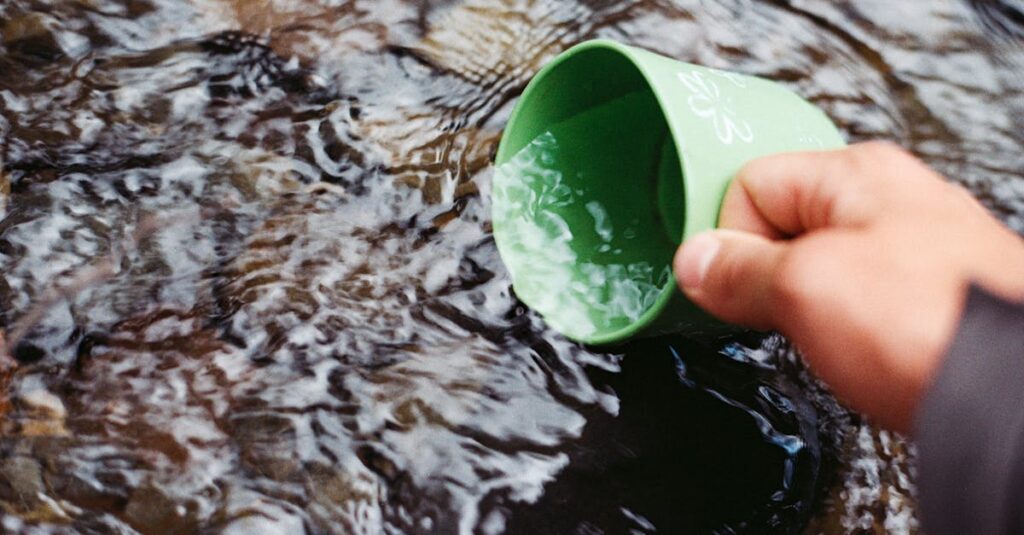
Always try to find the clearest, most free-flowing water you can. Think about a babbling brook or a spring, rather than a stagnant pond or a muddy puddle. Moving water tends to have fewer suspended solids and potentially fewer contaminants. Avoid water that’s near obvious sources of pollution, like agricultural runoff, industrial areas, or even heavy animal traffic. If you see dead animals or strange colors, just steer clear. Your gut instinct is usually right here. If it looks gross, it probably is. If you’re in a pinch and have to use murky water, try to let it sit for a while so the sediment can settle to the bottom. Then, carefully scoop water from the top, leaving the gunk behind. This simple pre-treatment can make a huge difference.
Boiling: The Old Faithful of Water Purification
Okay, let’s talk about the simplest and, frankly, most reliable way to kill off most nasty bugs in water: good old boiling. It’s a true water purification secret that’s been around forever, and for good reason! This method is fantastic because it doesn’t require any fancy gear, just a heat source and a container that can handle the heat.
Here’s the deal: you just need to bring the water to a rolling boil for at least one minute. If you’re up in higher altitudes (above 6,500 feet or 2,000 meters), you’ll want to boil it for three minutes to be extra safe, as water boils at a lower temperature up there. This intense heat zaps bacteria, viruses, and parasites like Giardia and Cryptosporidium, making them harmless. It’s incredibly effective and gives you a really high level of confidence in your water’s safety.
Now, a few practical tips: Once your water has boiled, let it cool down naturally. You might notice it tastes a bit flat because boiling removes oxygen. You can fix this by pouring it back and forth between two clean containers a few times, or by shaking it vigorously. Store your purified water in clean, sealed containers to prevent recontamination. The biggest downsides to boiling are the time it takes, the fuel you need, and the fact that it doesn’t remove sediment or chemical pollutants. But for killing off biological threats, it’s a champion!
Beyond Boiling: Filtering and Chemical Treatments for On-the-Go Safety
Let’s be honest, sometimes boiling isn’t practical. Maybe you’re on the move, don’t have a fire, or just need water now. That’s where having other tricks up your sleeve, like filtering and chemical treatments, becomes super handy for turning wild water into safe drinking water without the fuss of a campfire.
Pre-Filtering: Your First Line of Defense
Before you do anything else, especially with murky water, a good pre-filter is your best friend. This step removes larger debris like leaves, twigs, and sediment, which can clog up your fancy filters or make chemical treatments less effective. You can use a simple cloth filter – a bandana, a t-shirt, or even a coffee filter works wonders. Just pour the water through it into your collection container. For a more robust DIY option, you can layer gravel, sand, and charcoal in a bottle, but that’s a bit more involved for quick hydration.
Chemical Treatments: Lightweight Lifesavers
Once you’ve pre-filtered, chemical treatments are a fantastic, lightweight option. Purification tablets, like those containing iodine or chlorine dioxide, are incredibly popular for backpackers. They’re tiny, easy to carry, and effective against most bacteria and viruses. Just drop a tablet into your water, wait the recommended time (usually 30 minutes to 4 hours, depending on the product and water temperature), and you’re good to go. The main drawbacks are the waiting time, the potential for a slight chemical taste (especially with iodine), and their limited effectiveness against some larger parasites like Cryptosporidium without longer contact times. Always read the instructions carefully!
In a true emergency, if you have no other options, household bleach (unscented, regular strength, containing 5-6% sodium hypochlorite) can be used. The general rule is 2 drops per liter of clear water, or 4 drops per liter of cloudy water. Stir it well and let it sit for at least 30 minutes. This is a last resort, though, as it’s harder to dose correctly and can taste pretty awful.
Portable Water Filters: Instant Gratification
Portable water filters are game-changers for outdoor enthusiasts. They come in a few main types:
- Filter Straws (e.g., Lifestraw, Sawyer Mini): These are super compact and allow you to drink directly from the source. They’re fantastic for individual use and remove bacteria and protozoa instantly. However, most don’t remove viruses, and they can clog if your water is very silty.
- Pump Filters: These are more robust, allowing you to pump water through a filter into a bottle or reservoir. They often have finer filters that can remove more contaminants, and some even tackle viruses. They’re great for filtering larger volumes but are heavier and have more moving parts.
- Gravity Filters: These systems use gravity to pull water through a filter. You fill a dirty water bag, hang it up, and clean water flows into a clean bag or bottle below. They’re hands-free and great for groups or base camps, but they take a bit longer.
When using any filter, always make sure you understand what it removes (bacteria, protozoa, viruses) and how to properly clean and maintain it. Backflushing is often key to extending the life of your filter.
UV Purification: The Light Touch
Another cool option is UV (ultraviolet) purification, like devices such as the SteriPEN. These gadgets use UV light to scramble the DNA of bacteria, viruses, and protozoa, rendering them harmless. They’re quick, don’t use chemicals, and don’t alter the taste of the water. The main catch is that the water needs to be very clear for the UV light to work effectively, and you need batteries to power them. So, pre-filtering is a must here too!
Combining Methods for Ultimate Safety
Often, the best approach isn’t just one method, but a combination. For instance, you might pre-filter your water through a cloth, then run it through a portable filter, and then boil it if you have the fuel and time. Or, pre-filter and then use chemical tablets. Layering these methods gives you the highest level of protection against a wide range of contaminants. It’s all about assessing your situation, the water source, and the resources you have available.
Your Power to Create Safe Water, Anywhere
So, whether you’re boiling it over a crackling fire, filtering it through a high-tech straw, or treating it chemically with a tiny tablet, knowing these water purification methods gives you the incredible power to create safe drinking water anywhere. It’s not just about survival; it’s about self-reliance, confidence, and ensuring your health and well-being, no matter where your adventures take you.
Don’t wait for an emergency to strike; learn and practice these essential skills now. Get familiar with a few methods, try them out (safely, of course!), and pack the right gear for your next outing. Your health (and your thirst!) will definitely thank you for being prepared. Stay hydrated, stay safe, and enjoy the peace of mind that comes with knowing you’ve got this!