Hey there, fellow adventurer! Let’s get real for a sec. When you head out into the beautiful, wild places we all love, you’re often a good distance from the nearest doctor or hospital. Things can happen out there: a misstep leading to a twisted ankle, a nasty cut, or someone feeling really sick. That’s where Wilderness First Aid comes in. It’s not about being a doctor, but knowing what to do when unexpected bumps happen far from civilization. It’s your personal superpower for helping yourself or others until professional help can finally reach you.
Think about it: a friend slips, a big blister makes walking agony, or someone feels dizzy in the sun. These are “small” things. But what if it was bigger? A broken leg, or someone struggling to breathe? Do you know how to stop serious bleeding? Could you help someone who hit their head? What if a friend couldn’t walk due to a painful ankle? Knowing what to do makes a huge difference. Wilderness First Aid means having basic skills and tools to handle injuries and sickness when you’re miles from quick help. It keeps bad things from getting worse, ensuring everyone gets home safe.
What is Wilderness First Aid?
So, what exactly is Wilderness First Aid? It’s a special kind of first aid, designed for when you’re in nature, far from roads, cell service, and hospitals. It teaches you how to help someone hurt or sick when professional help might take hours, or even days, to arrive. This means you’ve got to be smart, resourceful, and ready to use whatever you have on hand to make the best choices in tough spots.
You’ll learn to quickly assess the situation – looking at the person, figuring out what’s wrong, and doing the best you can with simple tools. This type of first aid focuses on long-term care and big decisions, like whether you need to evacuate or manage them where they are. You might care for someone for hours or days before help reaches you. It’s all about being resourceful and staying calm when things go sideways far from civilization. You’ll learn to prioritize, deciding what’s most important to fix first to keep the person alive and stable.
The main goal is always to keep the person safe and stable, stopping things from getting worse. You also want to make them as comfortable as possible. This includes knowing how to move someone safely, keep them warm (or cool!), and watch for signs of improvement or worsening. You’ll pick up tips on managing pain with limited medicine and keeping spirits up. It’s not about being a doctor, but a capable helper when it truly counts. You’ll even get a handle on things like making a basic shelter, keeping someone hydrated, and signaling for help. These skills are different from regular first aid because they’re designed for the harshness and isolation of the wilderness.
Why is Wilderness First Aid Important for Hikers?
When you hit the trail, you’re stepping into places where help isn’t a quick call away. A simple fall can become a huge problem if you’re hours from the nearest road. A small cut can get infected if not cleaned well. Knowing Wilderness First Aid means you’re ready for these surprises. It gives you the power to act, not just wait. You become a vital first responder for your group. This knowledge can genuinely mean the difference between a minor setback and a serious emergency. It helps you understand trail risks better and how to lessen them. Without these skills, a beautiful day can quickly spiral into a scary situation for everyone.
Being prepared also means you can keep yourself and your hiking buddies much safer. If you know how to handle common problems like sprains, cuts, or heat sickness, you can often keep a small issue from derailing your trip. It helps you make smart choices about whether to keep going, turn back, or call for outside help. This knowledge builds real confidence for every step you take. You’ll feel more secure knowing you can handle unexpected events, which lets you enjoy your time outdoors more fully. It’s about taking responsibility for your safety and those around you.
Beyond just fixing problems, Wilderness First Aid helps you prevent them. You start thinking about risks before they happen. You’ll pack better gear, make smarter choices about where and when to hike. It’s not just about treating injuries; it’s about making your whole outdoor experience safer and more fun. You’ll learn to spot dangers like unstable ground or sudden weather changes early. You’ll understand why proper hydration and nutrition are vital to avoid exhaustion. This proactive approach is key to wilderness safety, ensuring you’re actively working to avoid problems, not just reacting to them.
Essential Skills You Need
Alright, let’s dive into some core skills you’ll pick up in a Wilderness First Aid course. These are the practical things that can really make a difference when you’re far from help.
How to Check a Hurt Person (Patient Assessment)
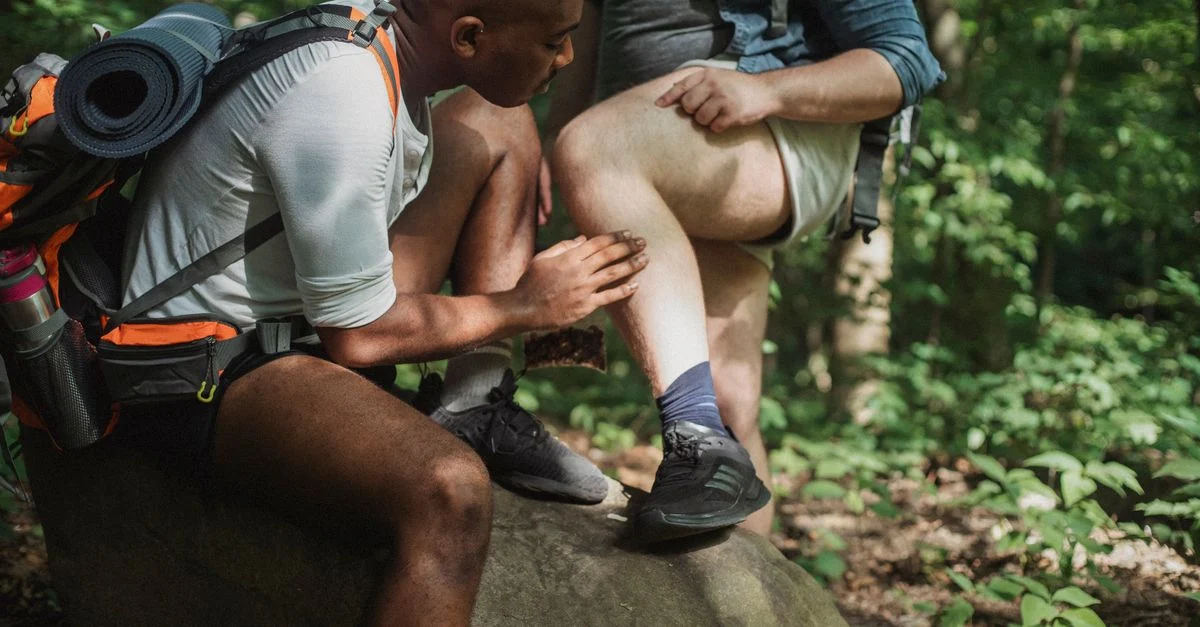
This is super important. You need to know how to quickly look at someone who’s hurt or sick. First, check if they’re awake and talking. Then, look for big, immediate problems like heavy bleeding or trouble breathing. You’ll gently check their head, chest, belly, and limbs for pain or strange feelings. This helps you figure out what’s wrong, how serious it is, and what to do first. It’s like being a detective for injuries!
Stopping Bleeding and Caring for Wounds
Knowing how to stop blood is critical. For serious bleeding, use a clean cloth and push hard directly on the cut. For smaller cuts, clean them well with water and cover them to keep dirt out. You also need to know how to spot signs of infection later, like redness or pus. Keeping wounds clean helps them heal and stops bigger problems.
Helping with Bone and Joint Problems (Sprains, Breaks)
If someone twists an ankle or breaks a bone, you need to know how to keep that injured part still. You can use sticks, bandages, or even clothes to make a makeshift splint. This helps reduce pain and prevents further damage. You’ll also learn how to help someone move safely if they can’t walk, or how to carry them without making things worse.
Dealing with Environmental Problems (Heat, Cold, Bites)
Nature can be tough. You need to know what to do if someone gets too hot (heat exhaustion) or too cold (hypothermia). This means moving them to shade or warmth, giving them water, or covering them. You’ll also learn about bug bites, snake bites, and how to keep these issues from getting worse. Staying aware of the weather and your body’s signals is key.
What to Do in Emergencies (CPR, Choking)
These are the big ones, skills you hope you never use, but are incredibly important to have. Knowing CPR (Cardiopulmonary Resuscitation) can literally save a life if someone stops breathing or their heart stops. And knowing how to help someone who is choking is another vital skill. While a Wilderness First Aid course might not be a full CPR certification, it will often cover the basics and emphasize getting proper training. These skills empower you to act decisively in critical moments.
Building Your First Aid Kit
Your first aid kit isn’t just a bag of random stuff; it’s your trusty helper in the wild, your portable safety net. It really should have more than just a few band-aids. When you’re putting it together, think about what you might need for common hiking problems and potential emergencies. You’ll definitely want things to clean cuts, stop bleeding, and cover wounds. But don’t forget items for pain relief, blisters, and upset stomachs. A good kit isn’t just a collection of items; it’s a carefully thought-out tool for survival and comfort.
Consider a few things when building your kit: trip length, group size, and remoteness. A day hike needs less than a multi-day backcountry adventure.
So, what should go in it? Bandages of different sizes, medical tape, and sterile gauze pads. Antiseptic wipes or hand sanitizer are a must. Pain medicine (ibuprofen), allergy pills, and anti-diarrhea medicine are super smart. Don’t forget tweezers for splinters, small scissors, and disposable gloves. Other useful items include moleskin for blisters, a small mirror for signaling, and a headlamp for night emergencies. Crucially: always include any personal medicines you or your group might need, like an EpiPen or asthma inhalers.
Make sure everything is organized so you can find it quickly under stress. Your kit should be waterproof and easy to carry. Check it often to replace anything old or used. While you can buy ready-made kits, it’s often better to make your own. This way, you know exactly what’s inside and how to use everything. A well-packed, personalized kit gives you peace of mind on the trail. Knowing what you have and where it is saves valuable time in an emergency. Practice using some items so you’re familiar with them. This preparation is crucial for anything the wilderness throws your way.
Staying Safe on the Trail (Prevention)
You know what the absolute best first aid is? Not needing it at all! Thinking ahead helps a heck of a lot. Before you even step foot on the trail, do your homework. Check the weather – mountain weather changes fast. Wear the right clothes and shoes. Tell someone reliable your route and expected return. These simple steps stop many problems before they start. Planning your route, knowing the terrain, and understanding the hike’s difficulty are all part of smart prevention. Know your limits and don’t push too hard.
While hiking, pay attention to your body and surroundings. Drink enough water, eat snacks to keep energy up. Watch your steps to avoid falls. If you feel tired or sick, it’s okay to rest. Listen to your body. If a path looks too risky, find another way. Being aware means looking out for loose rocks, slippery roots, or dangerous wildlife. Regular breaks prevent exhaustion and keep your mind sharp.
Hike with a friend if you can. Carry a map and compass or GPS, and know how to use them. A fully charged phone is good, but service might be spotty. A whistle signals for help. Being smart and careful is your first line of defense. Always pack extra layers and enough food and water for longer than expected. Prevention is just as important as treatment.
So, there you have it. Knowing Wilderness First Aid isn’t just a good idea for hikers; it’s genuinely a must-have skill. It gives you the confidence and practical abilities to help yourself and others when far from help. From checking a hurt person to stopping bleeding and building a smart kit, these skills make you truly ready for the trail.
My advice? Take a basic Wilderness First Aid class. Pack a smart kit. Be prepared, and hike with confidence. Your safety, and the safety of those with you, is absolutely worth it.