
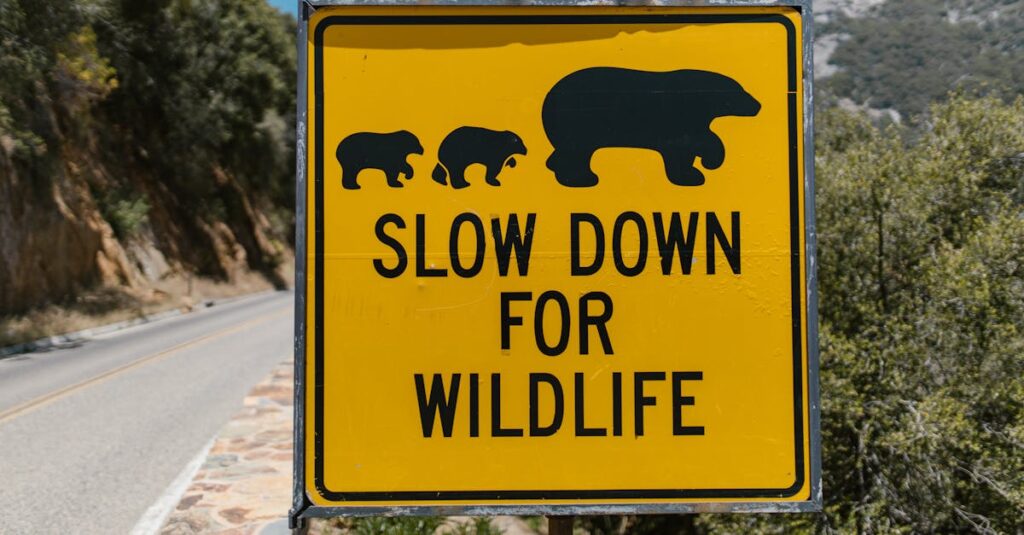
Not knowing how to react can turn a beautiful day into a really scary one, really fast. So, what are we talking about today? It’s all about having a game plan for when you’re up close and personal with a bear, a wolf, or a snake. It’s about keeping your cool and doing the right things to protect yourself, and honestly, to protect them too.
Imagine this: a hiker spots a big bear on the trail ahead and slowly, calmly backs away. Or a family camping hears a wolf howl nearby and makes sure all their food is super secure. Or maybe you’re just walking through some tall grass, hear that unmistakable rattle, and freeze instantly. These aren’t just stories; they’re real situations where quick, smart thinking made all the difference.
What if that bear stands up on its hind legs? What if a wolf seems to be staring right at you? What if you accidentally step a little too close to a snake? Do you run? Do you fight? What’s the absolute best way to stay safe and make sure everyone goes home okay? The big takeaway here is to stay calm, try to look big (for some animals), make some noise (again, for some), and always, always move away slowly without running. Every animal is a bit different, so your actions will need to be too. Let’s dive in!
Understanding Wildlife Behavior and Prevention
Alright, before we even get to the “what if,” let’s talk about the “how to avoid.” Knowing how animals act and how to keep them from getting too close is your absolute best first step for staying safe out there. Most animals aren’t looking for trouble; they’re just trying to live their lives, find food, and raise their young. If you understand their basic needs and give them plenty of space, most will happily go about their business and leave you alone.
Think about it: if you’re camping, keeping your food locked up tight in a bear-resistant container or hung high in a tree isn’t just a suggestion; it’s like putting up a “Do Not Disturb” sign for hungry bears. It keeps them from even wanting to come near your campsite in the first place. Make noise when you’re hiking so you don’t surprise them around a blind corner. Stick to marked trails. And never, ever feed wildlife – it teaches them to associate humans with food, which is bad news for everyone involved, often leading to animals being put down.
What to Do If You Encounter a Bear
Okay, so you’ve done your best, but suddenly, there’s a bear. Deep breath! What you do next depends a lot on the type of bear and what it’s doing. This is super important: if a black bear attacks you, you need to fight back with everything you’ve got. But if it’s a grizzly bear attacking, your best bet is to play dead. See? Totally different advice!
First, try to identify the bear. Black bears are usually smaller, have a straight facial profile, and no prominent shoulder hump. Grizzlies are larger, have a dished face, and a noticeable shoulder hump. If you see any bear, make yourself look as big as possible – wave your arms, stand tall. Speak in a calm, firm voice. Don’t make direct eye contact, as they might see it as a challenge. Slowly back away, never run. Running can trigger their chase instinct, and trust me, they’re faster than you.
Black Bear Specifics: If a black bear approaches you, especially if it seems curious or aggressive, make noise, yell, throw rocks or sticks. Most black bear attacks are defensive (like protecting cubs) or predatory. If it charges or makes contact, fight back hard. Aim for the face and snout. You want to make it clear you’re not an easy meal.
Grizzly Bear Specifics: Grizzlies are a different story. If a grizzly charges, it’s often a defensive charge (like protecting cubs, a food source, or its personal space). If it makes contact, drop to the ground immediately, lie on your stomach, cover your neck with your hands, and play dead. Spread your legs a bit to make it harder for them to flip you over. Stay absolutely still until you’re sure the bear has left the area. If, and this is very rare, the attack continues for a long time, or if it seems predatory (meaning the bear is actually trying to eat you), then you might need to fight back.
What to Do If You Encounter a Wolf
Wolves are often misunderstood. They’re usually pretty shy and would much rather avoid people. Most wolf encounters are fleeting glimpses from a distance, if you’re lucky! But if one does get a little too close for comfort, it’s good to know what to do. Your best bet here is to make yourself look really big and make a heck of a lot of loud noises. Shout, clap your hands, stomp your feet – anything to make them think you’re not an easy target and that they should just move along.
If a wolf approaches you, it’s likely out of curiosity, or it might be habituated to humans (which is why we never feed them!). Don’t run. Stand your ground, make yourself appear large, and make loud, assertive noises. If you have bear spray, this would be a good time to have it ready. Slowly back away while maintaining eye contact. If you’re with children or pets, keep them close and pick up small children. Wolf attacks on humans are extremely rare, but being prepared means you can deter them effectively and safely.
What to Do If You Encounter a Snake
Okay, snakes. A lot of people get a little freaked out by them, but most snakes aren’t dangerous at all. Still, knowing how to react to a venomous snake could literally save your life. The golden rule here is simple: if you see a snake, just stop moving. Then, slowly, carefully, back away from it. Give it space, and it’ll usually just slither off.
Snakes don’t want to bite you; it’s a last resort for them. They usually only strike if they feel threatened or are surprised. So, when you’re hiking, watch where you’re stepping, especially in tall grass, rocky areas, or near logs. Don’t put your hands or feet where you can’t see them. If you hear a rattle, freeze immediately to locate the sound, then slowly move away. Never try to pick up a snake, even if it looks dead. Seriously, just don’t.
If you do get bitten, try to remember what the snake looked like (color, pattern, head shape) but do not try to catch it or kill it. Stay calm, keep the bitten area still and below your heart, and get medical help immediately. Don’t try to suck out the venom, apply a tourniquet, or cut the wound – those old myths can do more harm than good. Just focus on getting to a hospital.
General Safety Tips for the Outdoors
Look, the best defense is always a good offense, right? And in nature, that means good planning and being super aware of your surroundings. These things can prevent most dangerous wildlife meetings from ever happening. Seriously, carry bear spray. And more importantly, know how to use it! It’s not just for bears; it can be effective against other aggressive animals too. Practice deploying it (with a practice canister, of course!) so you’re not fumbling in a real emergency.
Beyond bear spray, always tell someone where you’re going and when you expect to be back. Hike with a buddy if you can. Make noise as you walk, especially in areas with dense vegetation or limited visibility. Keep dogs on a leash – an off-leash dog can provoke an animal or lead it back to you. Pack out all your trash, and never leave food scraps behind. Be aware of your surroundings; look for signs of wildlife like tracks, scat, or fresh claw marks on trees. And always, always respect the animals’ space. Remember, you’re a visitor in their home.
Conclusion
So, there you have it. Being safe and having a blast in nature really boils down to understanding the amazing animals around us and knowing exactly what to do if you happen to cross paths. We’ve covered the key steps for bears, wolves, and snakes, and hopefully, you feel a little more prepared and confident for your next adventure.
Always be ready, stay aware, and give wildlife the respect they deserve. Your safety, and theirs, really does depend on it. Now go on, get out there and enjoy the wild, but do it smart!