
Hey there, friend! Grab a cup of coffee, because we need to chat about something important, but I promise we’re going to keep it light and empowering. Ever felt that knot of worry when you hear about a big storm brewing, or see news reports of wildfires or floods? It’s totally normal. We all want to keep our loved ones safe, and sometimes the sheer thought of a natural disaster can feel overwhelming, right? It’s easy to get stuck in that “what if” loop, feeling a bit helpless.
But what if I told you there’s a way to shift that feeling? To move from that nagging worry to a genuine sense of calm and readiness? That’s exactly what we’re going to explore today. It’s not about becoming a doomsday prepper; it’s about taking simple, practical steps that make a heck of a lot of sense. It’s about feeling confident, not scared, because you know you’ve got a plan.
What is “From Worry to Ready”? Understanding This Important Idea
So, what do I mean by “From Worry to Ready”? Think of it as a journey. It’s about transforming that vague anxiety about the unknown into concrete actions that give you peace of mind. Instead of just hoping everything will be okay, you’re actively making sure you’re as prepared as you can be.
It’s about empowerment. When you understand the simple steps you can take, the big, scary idea of a natural disaster shrinks down to a manageable set of tasks. It’s like looking at a huge mountain and thinking, “Wow, that’s big!” but then realizing there’s a clear, well-marked path to the top. Each step you take on that path builds your confidence, making the whole journey feel less daunting. These are practical, everyday things that anyone can do, without needing special skills or a huge budget. It’s about building resilience, not just for your home, but for your spirit too.
Why Being Prepared Matters for You: Your Peace and Your Safety
Let’s get real for a second. Why bother with all this? Because your peace of mind and your family’s safety are priceless. Imagine a scenario where the power goes out for days, or you need to leave your home quickly. If you’ve thought about it beforehand, if you have a kit packed and a plan discussed, that stressful situation becomes a whole lot less chaotic.
Being prepared isn’t just about surviving; it’s about thriving even when things get tough. It means you can focus on what truly matters – your family’s well-being – instead of scrambling for basic necessities. It reduces panic, minimizes potential harm, and can even speed up recovery after an event. Plus, there’s a huge psychological benefit. Knowing you’ve done your best to prepare can significantly lower your everyday anxiety. It’s like having an insurance policy for your peace of mind. You hope you never need it, but you’re so glad it’s there if you do. It’s about taking control where you can, and that feels incredibly good.
Your Simple Steps for Natural Disaster Preparedness: A Clear Guide
Alright, let’s dive into the good stuff – the actionable steps! These aren’t complicated, I promise. Think of them as building blocks for your family’s safety net.
Building Your Emergency Kit: What You Need
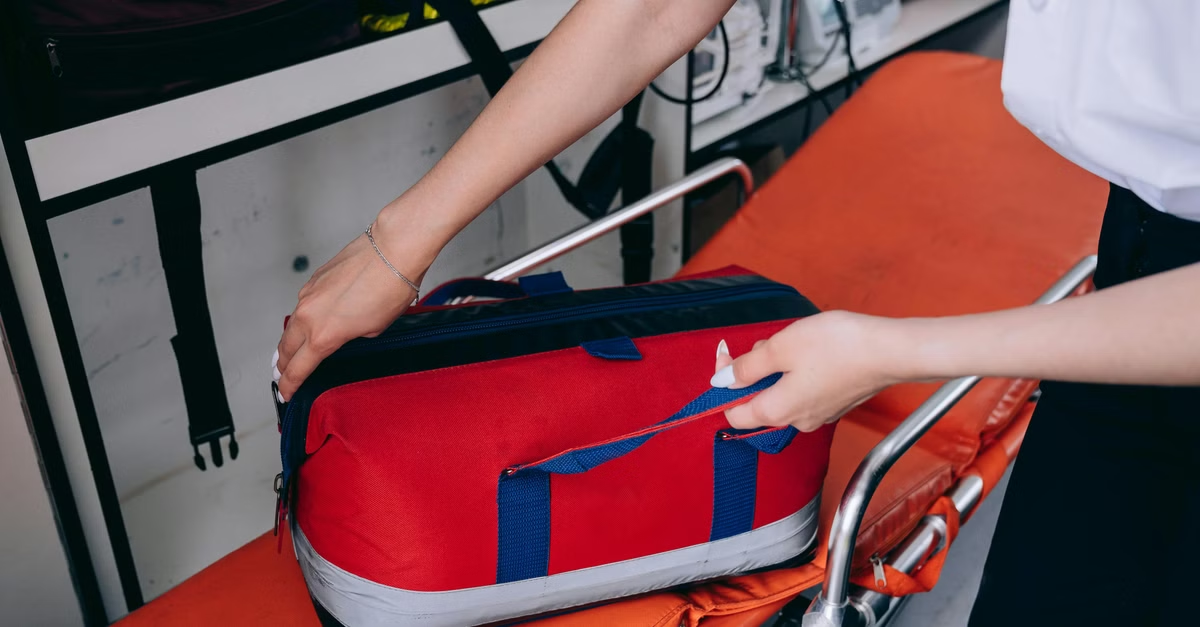
This is probably the most talked-about step, and for good reason! Your emergency kit is your lifeline when basic services are disrupted. Think of it as a “go-bag” or a “stay-at-home” kit, depending on your needs. You don’t need to buy everything at once; just start gathering items little by little.
What should go in it?
- Water: One gallon per person per day for at least three days (for drinking and sanitation).
- Food: A three-day supply of non-perishable food (think canned goods, energy bars, dried fruit). Don’t forget a manual can opener!
- First Aid Kit: Bandages, antiseptic wipes, pain relievers, any prescription medications you need.
- Flashlight and Extra Batteries: Essential for power outages.
- Whistle: To signal for help.
- Dust Mask: To help filter contaminated air.
- Wrench or Pliers: To turn off utilities.
- Local Maps: In case GPS is down.
- Battery-Powered or Hand-Crank Radio: To stay informed.
- Personal Hygiene Items: Wet wipes, hand sanitizer, toilet paper.
- Important Documents: Copies of insurance policies, ID, bank records in a waterproof bag.
- Cash: Small bills, as ATMs might not work.
- Chargers and Power Banks: For your cell phones.
Keep this kit in an easily accessible place, like a closet near an exit, or even in your car. And remember to check expiration dates on food and water every six months or so!
Making a Family Plan: Who Does What
Having a kit is great, but a plan is what brings it all together. This is where you sit down with your family – kids included! – and talk about what you’d do in different situations. It doesn’t have to be a scary conversation; frame it as “our family’s superhero plan!”
Here’s what to cover:
- Emergency Contacts: Make sure everyone knows who to call if they get separated. Write down important numbers on paper, not just in phones.
- Meeting Places: Designate two meeting spots: one right outside your home for sudden emergencies (like a fire), and one further away (like a friend’s house or a local park) in case you can’t return home.
- Evacuation Routes: Know at least two ways out of your neighborhood and town. Practice them!
- Communication Plan: What if cell towers are down? Texting often works when calls don’t. Designate an out-of-state contact person everyone can check in with, as long-distance calls might be easier to make.
- Roles and Responsibilities: Who grabs the emergency kit? Who gets the pets? Who helps grandma? Assigning roles makes things smoother.
This plan should be written down and posted somewhere visible, like on the fridge. Review it regularly, especially as kids get older or circumstances change.
Knowing Your Local Risks: What Can Happen Here
Every area has its own unique set of potential natural disasters. What’s common where you live? Is it hurricanes, tornadoes, earthquakes, floods, wildfires, or blizzards? Understanding your specific risks helps you tailor your preparedness efforts.
For example:
- If you live in a hurricane zone, you’ll focus on securing your home, having sandbags, and knowing evacuation routes.
- If earthquakes are a threat, you’ll practice “drop, cover, and hold on” and secure heavy furniture.
- If wildfires are a concern, you’ll focus on creating defensible space around your home and having an evacuation plan ready.
Check with your local emergency management agency or government website. They often have fantastic resources specific to your region, including hazard maps and safety guides. Knowing what to expect is half the battle!
Staying Informed: Getting the Right News
In an emergency, accurate information is crucial. You need to know what’s happening, what to do, and where to go. Don’t rely solely on social media rumors!
Here’s how to stay informed:
- NOAA Weather Radio: A dedicated weather radio with tone alert is a must-have for severe weather warnings.
- Local Emergency Alerts: Sign up for your community’s emergency alert system (often text or email notifications).
- Reliable News Sources: Identify local TV, radio, and reputable online news outlets that you trust.
- Battery-Powered or Hand-Crank Radio: As mentioned in the kit, this is vital if power and internet are out.
- Social Media (with caution): Follow official emergency management accounts, but always cross-reference information.
Having multiple ways to receive alerts ensures you won’t miss critical updates, even if one system fails.
Practicing Your Plan: Making It Stick
You wouldn’t expect to run a marathon without training, right? The same goes for your emergency plan. Practicing it makes it second nature, reducing panic when a real event occurs.
- Drills: Practice your “drop, cover, and hold on” for earthquakes. Walk your evacuation routes. Do a fire drill at home.
- Kit Review: Go through your emergency kit every six months. Check expiration dates, replace batteries, and make sure everything is still there.
- Discussion: Regularly talk about the plan with your family. Ask questions like, “What would we do if…?”
- Pet Preparedness: Don’t forget your furry friends! Include pet food, water, medications, and carriers in your plan and kit.
The more you practice, the more confident and calm everyone will be when it truly matters. It’s about building muscle memory for safety.
Staying Safe During and After an Event: What to Do Right Away
Okay, so you’ve done the prep work. Now, what happens when an event actually strikes? Your immediate actions can make a huge difference.
- Stay Calm: Take a deep breath. Your preparedness will kick in.
- Follow Your Plan: Go to your designated safe spot, grab your kit, and follow your communication plan.
- Listen to Authorities: Pay attention to official instructions from emergency services. If they say evacuate, do it immediately.
- Prioritize Safety: Don’t try to save belongings if it puts you or others at risk.
- Check on Loved Ones: Once you’re safe, use your communication plan to check in with family and friends.
- Assess Damage (Safely): After the immediate danger passes, carefully check your home for damage. Be aware of downed power lines, gas leaks, and structural issues.
- Help Neighbors (If You Can): If it’s safe to do so, offer assistance to those around you. Community resilience is powerful.
Remember, the goal is to get through the immediate danger and then begin the recovery process as safely and efficiently as possible.
Moving Forward: Keeping Your Readiness Strong
So, there you have it – your friendly guide to moving from worry to ready. This isn’t a one-and-done task; it’s an ongoing commitment to your family’s safety and your own peace of mind. Think of it as a living document, something you revisit and update as life changes.
Every step you take, no matter how small, builds a stronger foundation for your family’s future. You’re not just preparing for a disaster; you’re building resilience, fostering a sense of security, and empowering yourself and your loved ones. So, take that first step today. You’ve got this, and I’m cheering you on! Let’s turn that worry into genuine readiness, together.