The electrical grid is a complex, interconnected system, inherently vulnerable to natural disasters, cyberattacks, or infrastructure failures. When it fails, the modern conveniences that define daily life vanish instantly. Basic survival, often taken for granted, becomes paramount. This guide outlines immediate, actionable steps and essential preparations to ensure your safety and self-sufficiency when the power inevitably goes out.
Establishing a Comprehensive Emergency Power Kit
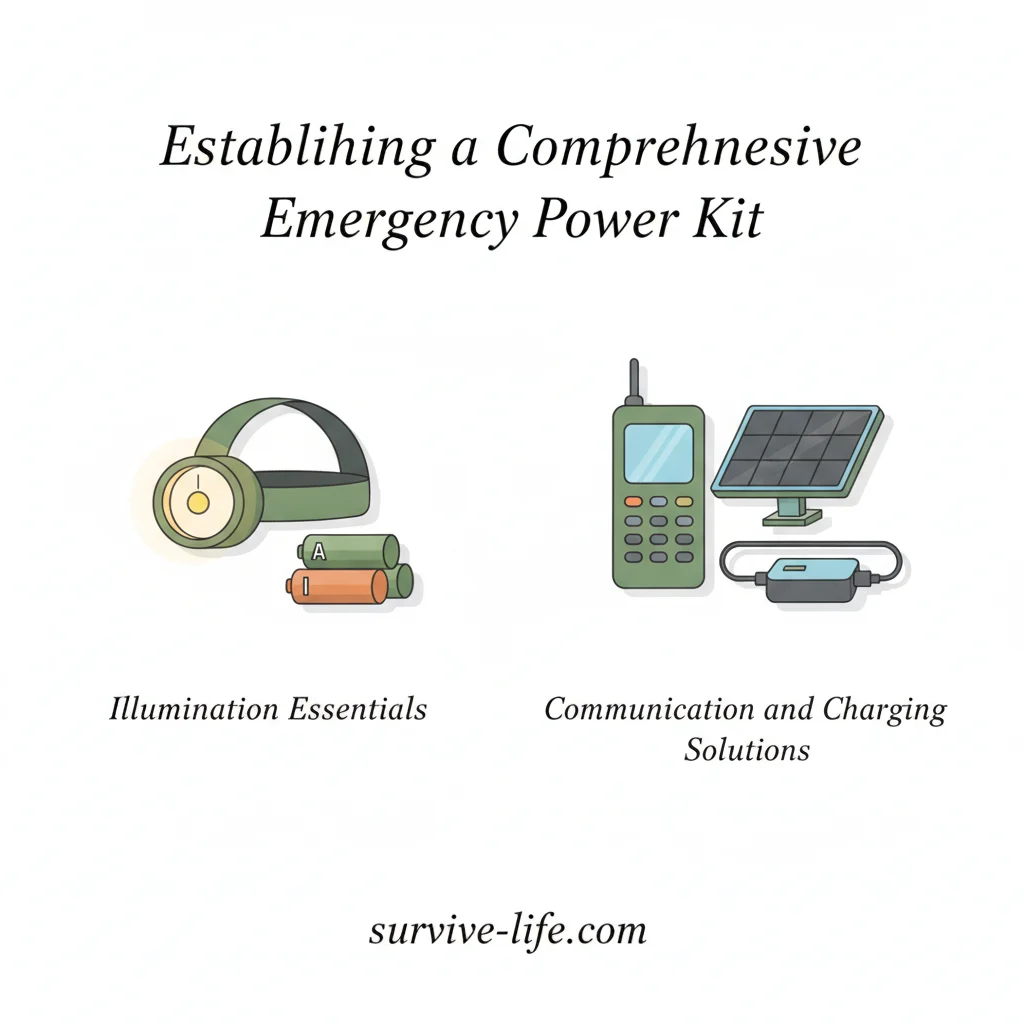
Maintaining light, communication, and device charging is non-negotiable when the grid goes down. A dedicated, pre-assembled emergency power kit eliminates guesswork and frantic searching during a crisis. This kit should be stored in an easily accessible location, ready for immediate deployment. Regular inspection and maintenance of all components are crucial for reliability.
Illumination Essentials
Prioritize hands-free lighting and robust area illumination. Stock reliable, multi-power source options to ensure redundancy. Headlamps are superior for task-oriented work, allowing full use of both hands for repairs, cooking, or navigating dark spaces. The Fenix HM65R-T, with its 1500 lumens, offers powerful, focused light and a durable, weather-resistant build, while the Petzl Actik Core provides 600 lumens and a comfortable fit for extended wear. Both models feature rechargeable batteries, reducing reliance on disposable cells, but always keep spare charged batteries or a charging method available. For general area lighting in common spaces, lanterns are indispensable. A Goal Zero Lighthouse 600 provides broad, adjustable light and can charge small devices, making it a versatile option. Alternatively, a reliable propane or butane lantern offers significant light output for larger areas; ensure adequate fuel reserves and always operate these in well-ventilated spaces to prevent carbon monoxide buildup. Consider a mix of battery-powered and fuel-based options to diversify your energy sources. Rotate batteries every 6-12 months to prevent corrosion and ensure peak performance. Always test all illumination devices quarterly to confirm functionality and battery life.
Communication and Charging Solutions
Maintaining contact and powering essential devices is crucial for information gathering and safety. A hand-crank or solar NOAA weather radio, such as the Midland ER310, provides critical weather alerts and emergency broadcasts even when cell towers are down. This device often includes a flashlight and a USB charging port, adding to its utility. Portable power banks are essential for charging smartphones and other small electronics. An Anker PowerCore 20000mAh or larger capacity unit can provide multiple charges for several devices; keep these fully charged at all times. During prolonged outages, a small solar panel charger like the Goal Zero Nomad 20 becomes invaluable for sustained charging of power banks and small electronics. Position the panel in direct sunlight for maximum efficiency. Understand that charging times will vary based on sunlight intensity and panel size. Pro-Tip: Keep all charging cables organized and labeled within your kit to avoid fumbling in the dark. Ensure compatibility with all your essential devices.
Securing Water and Food Reserves
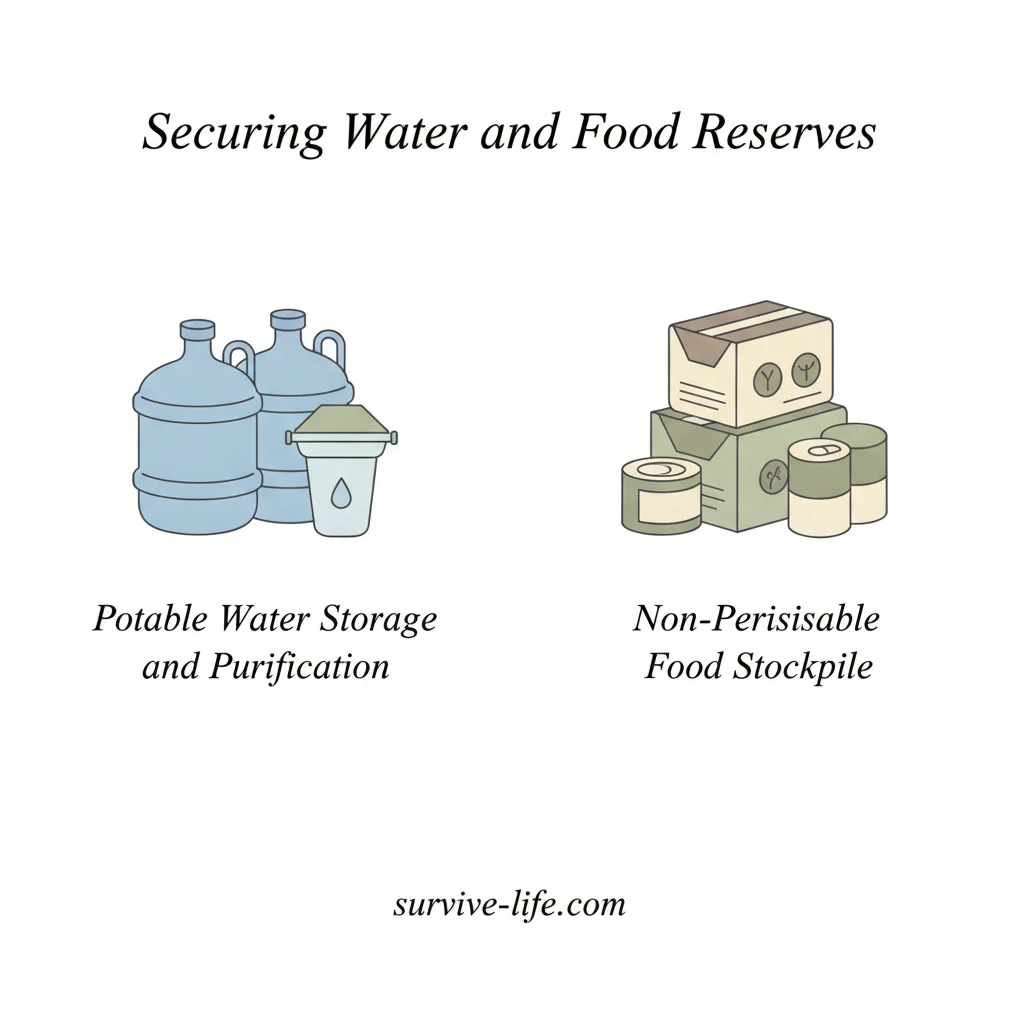
Access to potable water and non-perishable food is non-negotiable for survival. Proactive storage prevents dehydration, starvation, and the desperation that can arise during prolonged outages. Planning for these basic needs significantly reduces stress and improves resilience.
Potable Water Storage and Purification
Water is the most critical resource; the human body cannot function without it. Plan for consumption, hygiene, and cooking. FEMA recommends storing a minimum of 1 gallon of water per person per day for 3-7 days, with additional reserves for pets. This quantity accounts for drinking, basic hygiene, and minimal cooking needs. Store water in sturdy, food-grade containers in a cool, dark place. Rotate stored water every six months to ensure freshness. Include multiple methods for water purification in your kit. Water purification tablets, such as Katadyn Micropur MP1, are lightweight and effective for killing bacteria and viruses, making questionable water sources safe to drink. A reliable physical filter, like the Sawyer Squeeze, provides a backup purification method, removing sediment and most harmful microorganisms. These filters are reusable and can process large volumes of water. Pro-Tip: When using a filter or tablets on turbid water, pre-filter it through a cloth or coffee filter to remove larger particulates; this extends the life of your filter and improves the efficacy of chemical treatments. Understand that boiling water for one minute at a rolling boil is also a highly effective purification method, provided you have a heat source. Always have at least two distinct methods for water purification to ensure redundancy.
Non-Perishable Food Stockpile
Focus on calorie-dense, easy-to-prepare foods that require no refrigeration or cooking. This minimizes energy consumption and simplifies meal preparation during an outage. Stock a variety of canned goods, such as vegetables, fruits, and meats, which provide essential nutrients and have extended shelf lives. Dried fruits, nuts, and energy bars offer quick, high-calorie sustenance without preparation. Freeze-dried meals are lightweight, compact, and only require hot water, making them ideal for longer-term storage and easy preparation. Choose items with long shelf lives and nutritional value to sustain energy levels. Implement a strict rotation system, consuming and replacing items every 6-12 months to ensure freshness and prevent waste. Label items with their purchase and expiration dates to facilitate this process. Store food in airtight containers to protect against pests and moisture. Consider comfort foods that can boost morale during stressful times. Pro-Tip: Keep a manual can opener with your food supply; electric openers are useless without power.
Maintaining Thermal Regulation and Sanitation
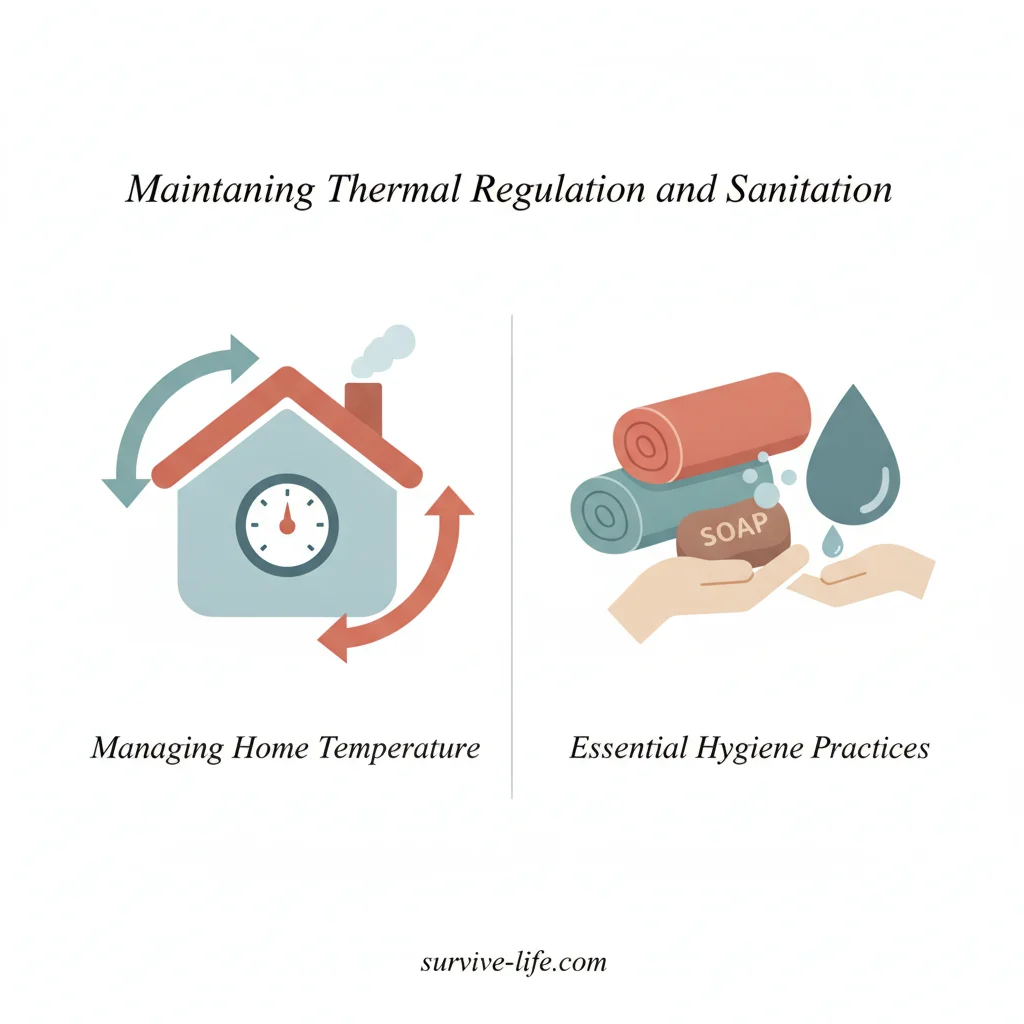
Without grid power, managing indoor temperature and personal hygiene becomes a significant challenge. Prepare for both extreme cold and heat to prevent health complications and maintain morale.
Managing Home Temperature
Prevent hypothermia or heatstroke by understanding passive and active temperature control methods. In cold climates, insulate windows with heavy blankets or cardboard, seal drafts around doors and windows, and consolidate your household to one central, smaller room to conserve body heat. Layer clothing, use sleeping bags, and share body warmth if safe and appropriate. In hot climates, close blinds and windows during the day to block sunlight and trap cooler night air inside. Open windows at night to allow cross-ventilation. Safe indoor heating options are critical for cold weather. Propane or kerosene heaters, such as the Mr. Heater Buddy series, provide effective warmth; always ensure proper ventilation to prevent carbon monoxide buildup. A wood-burning stove, if available, offers a robust heating solution. Crucially, ensure all carbon monoxide detectors are battery-powered and functional, and test them regularly. The USDA advises that a full freezer can maintain its temperature for up to 48 hours, while a half-full freezer will last approximately 24 hours; keep refrigerator and freezer doors closed as much as possible to preserve food. Never operate combustion heaters in unventilated spaces; carbon monoxide is an odorless killer.
Essential Hygiene Practices
Prevent illness and maintain morale through basic sanitation. Designate a bucket toilet with heavy-duty bags and kitty litter or sawdust for waste disposal. Line the bucket with a bag, add absorbent material after each use, and seal the bag tightly before disposal. If outdoors, bury waste properly away from water sources. Stock a generous supply of wet wipes, hand sanitizer, and basic toiletries like soap, toothpaste, and feminine hygiene products. Prioritize hand hygiene, especially after using the toilet and before handling food, to prevent the spread of disease. Store extra water specifically for sponge baths to maintain personal cleanliness; a small amount of water can go a long way with a washcloth. Pro-Tip: Keep a separate, clearly marked container for hygiene supplies to prevent cross-contamination with food or medical items. Consider a portable camping shower for more thorough cleaning if water is abundant.
Establishing a Communication and Security Protocol
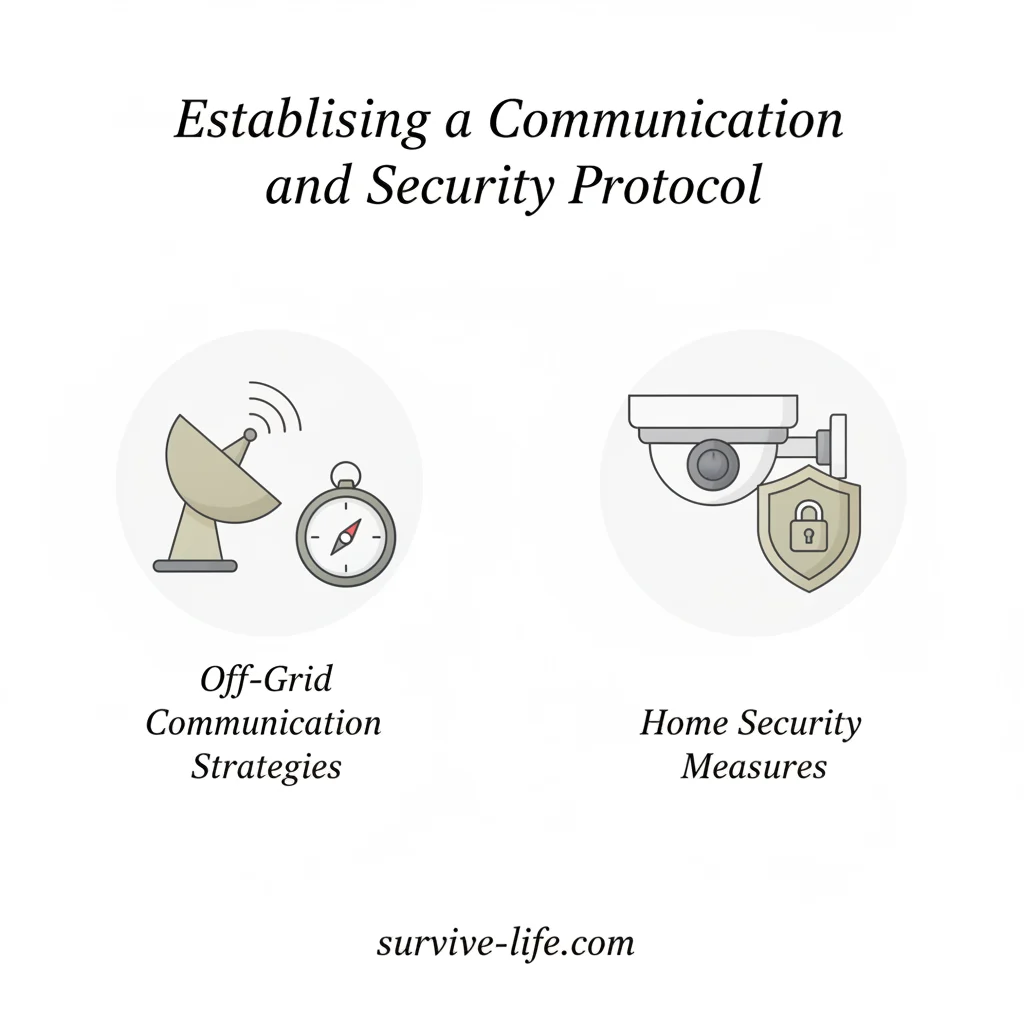
Information and safety are paramount during a power outage. Develop clear plans for both to reduce uncertainty and protect your household and property.
Off-Grid Communication Strategies
When cell towers fail or become overloaded, alternative communication methods are vital. Designate an out-of-state contact for family check-ins; long-distance calls may be more reliable than local ones if some parts of the grid remain operational. Ensure all family members know this contact’s number by heart or have it written down. Utilize FRS/GMRS radios, such as the Motorola T800 Talkabout, for short-range communication within your immediate area or neighborhood. These radios are line-of-sight dependent but provide reliable local contact. Establish clear communication protocols with neighbors or community members who also possess these radios. Understand that traditional landlines may still work if they are not dependent on local power, but cellular networks are highly vulnerable to overload or failure during widespread emergencies. Pro-Tip: Practice using your FRS/GMRS radios regularly to familiarize yourself with their range and features. Keep spare batteries for all communication devices. Establish a clear, pre-determined meeting point for family members if communication fails and you cannot return home.
Home Security Measures
Protect your household and property when public services are strained and response times are delayed. Keep all doors and windows locked, even during daylight hours. Reinforce entry points with security bars or door wedges if possible. Opportunistic crime can increase during widespread outages. Consider non-lethal deterrents like motion-sensor alarms or bright, battery-powered floodlights to deter intruders; these can be highly effective in a darkened environment. Maintain situational awareness of your surroundings and be aware of unusual activity in your neighborhood. Establish a neighborhood watch system with trusted neighbors to collectively monitor the area. Keep a charged flashlight readily accessible near entry points to quickly illuminate suspicious activity. Pro-Tip: Secure any outdoor valuables that might be easily stolen under cover of darkness. Ensure all family members know the security plan and their roles within it.
Medical Preparedness and First Aid Proficiency
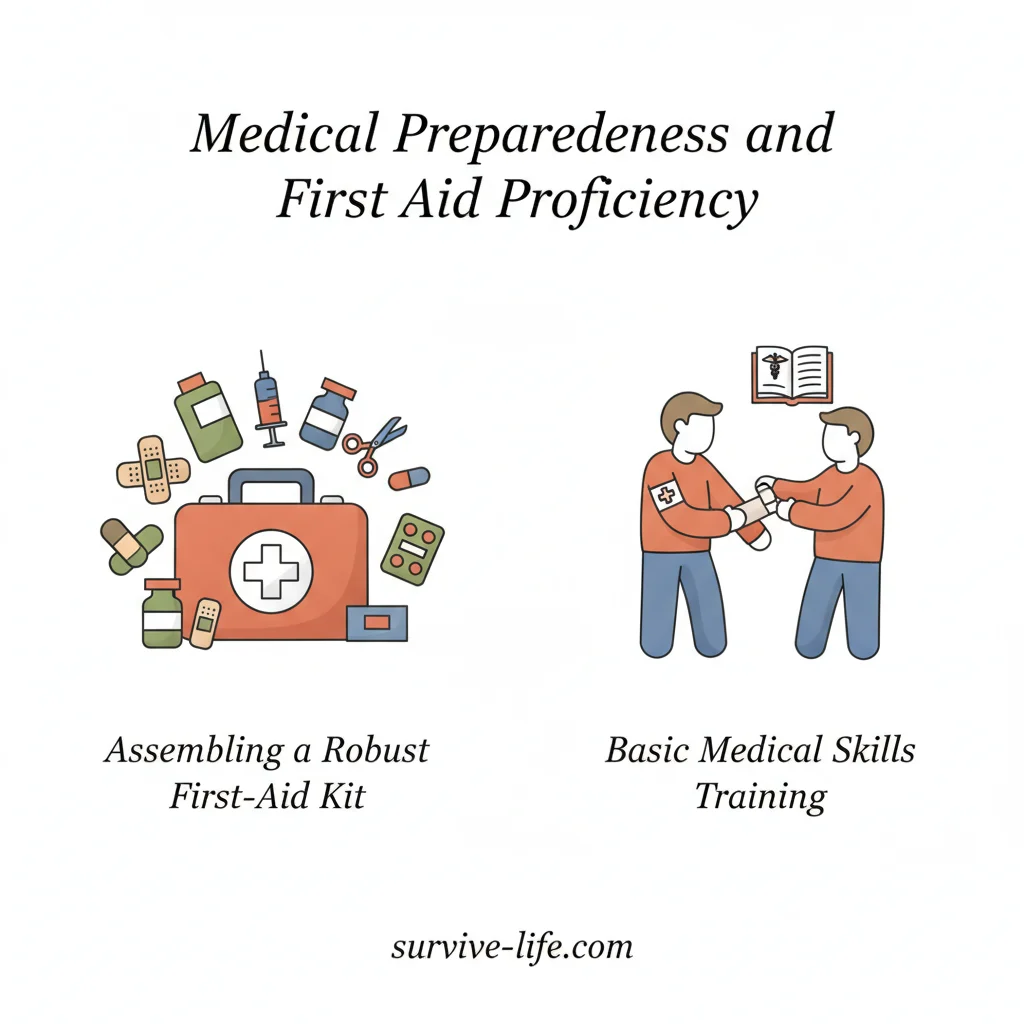
Emergency services may be overwhelmed or inaccessible during a widespread power outage. Your ability to handle medical issues independently is critical for the well-being of your household.
Assembling a Robust First-Aid Kit
Go beyond basic bandages. Your kit should address a range of potential injuries and illnesses that could occur without immediate professional medical help. Include all prescription medications, ensuring a minimum 7-day supply, ideally more. Stock over-the-counter pain relievers, anti-diarrhea medication, antihistamines, and any personal medical necessities like asthma inhalers or insulin. Essential wound care supplies include antiseptic wipes, various sizes of adhesive bandages, sterile gauze pads, medical tape, and antibiotic ointment. Consider a trauma kit with specialized items for severe injuries: tourniquets, pressure dressings, and chest seals can be life-saving for major bleeding or penetrating wounds. Include a thermometer, tweezers, and a pair of medical shears. Pro-Tip: Organize your first-aid kit into clearly labeled compartments for quick access to specific items. Regularly check expiration dates on medications and replace them as needed. Ensure all family members know the location of the first-aid kit and understand its basic contents.
Basic Medical Skills Training
Knowledge is as important as supplies; learn to use what you have effectively. Enroll in a Red Cross or similar first-aid and CPR course. Refresh these skills annually to maintain proficiency. Understand how to treat common injuries that may occur during an outage: cuts, burns, sprains, fractures, and allergic reactions. Learn how to properly clean and dress wounds to prevent infection. Know how to manage shock, recognize symptoms of hypothermia or heatstroke, and administer basic life support. Familiarize yourself with the signs of dehydration and how to rehydrate effectively. Pro-Tip: Practice applying bandages and tourniquets on yourself or a family member to build muscle memory. Review your first-aid manual periodically to reinforce your knowledge. The ability to act calmly and competently in a medical emergency can significantly improve outcomes.
Sustained Readiness for Unforeseen Disruptions
Preparing for a power outage is not a one-time event but an ongoing commitment. The electrical grid will fail again, whether due to a severe storm, equipment malfunction, or a more significant event. Your readiness determines your resilience. Regularly review and update your plans and supplies. Conduct periodic drills with your household to practice communication protocols, emergency lighting deployment, and water purification methods. Test all battery-powered devices and rotate food and water supplies before they expire. Stay informed about potential threats to your local grid and community emergency plans. Develop a mindset of self-reliance and adaptability. The disciplined preparation outlined in this guide provides a robust foundation for navigating the challenges of a grid-down scenario, ensuring your safety and the well-being of your family.