
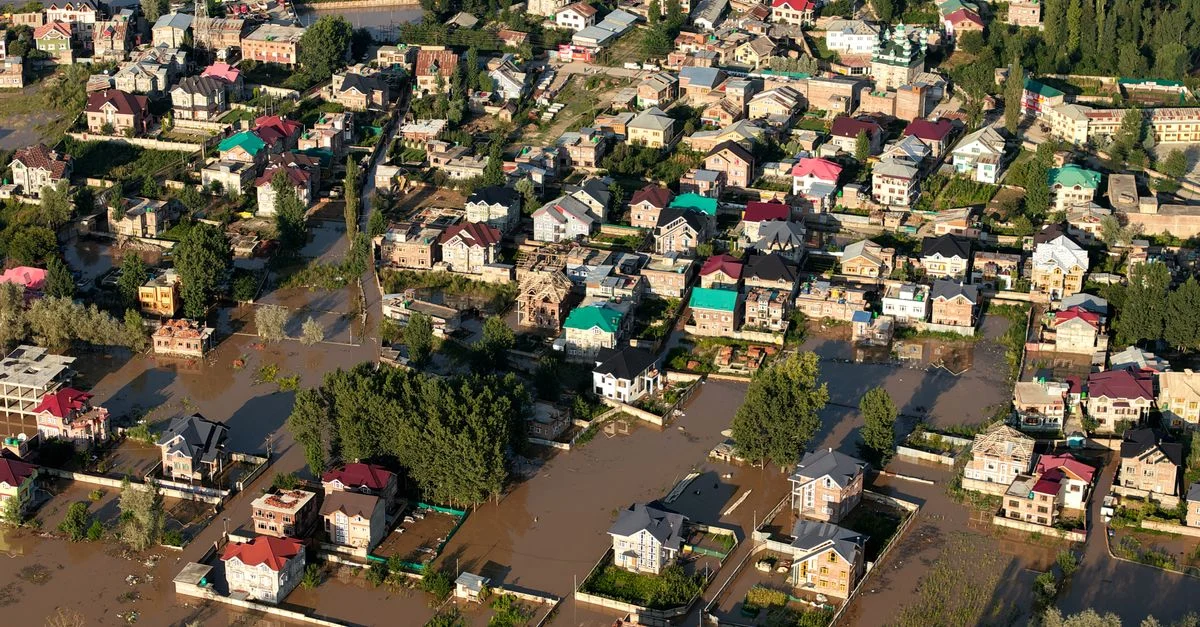
Floods can happen so quickly, can’t they? One minute, it’s just heavy rain, and the next, you’ve got a whole lot of water and trouble heading your way. When those rivers swell or the skies just open up, water can sneak into our homes, ruin our cherished belongings, and make roads totally unsafe. It’s a really serious event that can truly turn life upside down for so many families.
That’s why knowing what to do before, during, and after a flood is super important. It’s about taking smart steps right now to protect the people you love and the place you call home. Being ready can make a heck of a lot of difference in how well you and your family get through a flood. Think about families who live near a river; they might move important papers to a high shelf when they hear about heavy rain coming. Or a family in a coastal town might pack a bag with clothes and medicine, ready to leave if a storm surge is expected. Some folks even put sandbags around their doors to stop water from coming in. These are all real-life ways people get ready.
So, do you know what to do if water starts to rise in your area? Is your family ready to stay safe? Have you thought about what you would take with you if you had to leave your home quickly? Let’s get real: flood preparedness simply means you take smart steps right now to keep your family and home safe when water levels go up.
What is Flood Preparedness and Why Does it Matter?
Flood preparedness is just getting ready for floods before they even happen. It means you understand the risks in your area, make a solid plan for your family, and take actions to protect your home and all your important stuff. It’s about being proactive, not waiting until the water is literally at your door. You’ll prepare an emergency kit, know your escape routes, and secure your property. This readiness helps you face a flood with more confidence and a lot less panic, making sure you can focus on safety when it counts most. It’s a set of actions you take to reduce harm and keep everyone safe.
This preparation matters because floods can strike fast and cause huge problems. They can damage houses, destroy belongings, and cut off roads, making it really hard to get help or get to safety. Being prepared saves lives by ensuring your family knows what to do and where to go. It also protects your home and valuable items, reducing the financial burden and emotional stress that comes with flood damage. When you’re ready, you can get back to your normal life much faster after the water goes down, because you’ve already thought about the steps needed for recovery.
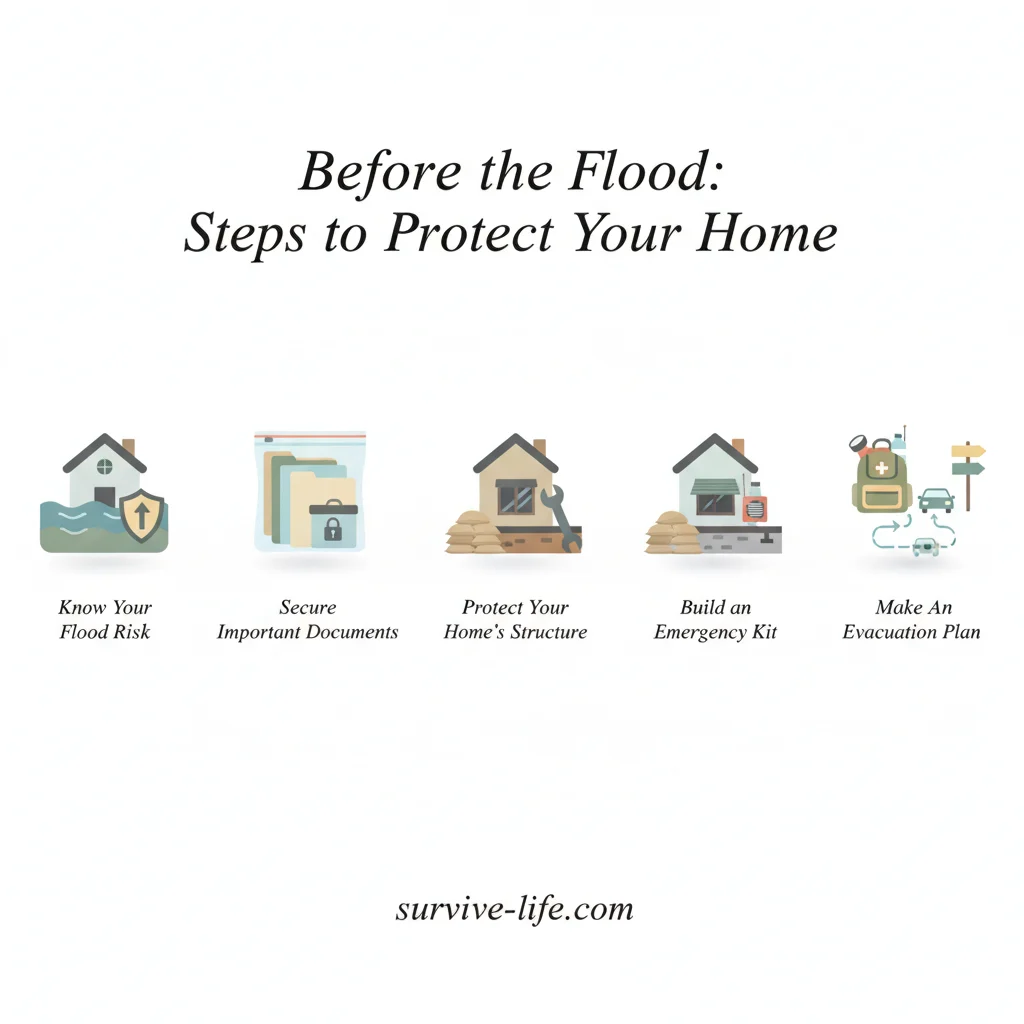
Before the Flood: Steps to Protect Your Home
Before any flood water even comes near your home, you can do so many things to protect it and your family. These steps are about making your home stronger against water and having a clear plan for what to do. Taking action early can save you a heck of a lot of trouble and money later. You need to think about both your physical property and your family’s safety.
Know Your Flood Risk
First things first, find out if your home is in a flood-prone area. You can check flood maps online or just ask your local government office. Knowing your risk helps you decide how much preparation you really need. If you live in a high-risk area, you might need to take more serious steps than someone in a low-risk area. This knowledge is truly your first line of defense.
Secure Important Documents
Gather all your vital papers like birth certificates, insurance policies, and property deeds. Pop them into a waterproof bag or container. Keep this container in a safe, high place, or even better, scan copies and save them on a cloud service. This way, if your physical documents are lost, you’ll still have access to all the information you need for recovery.
Protect Your Home’s Structure
Simple actions can make a big difference. If you have time, move valuable items and furniture to higher floors or elevate them off the ground. Consider using sandbags around doors and low windows to block water entry. For appliances like water heaters or furnaces, if they’re in a basement, you might look into elevating them on concrete blocks if possible. Turning off main utilities like electricity and gas at the main switch can prevent fires and electric shocks if water enters your home.
Build an Emergency Kit
This kit should have enough supplies for at least three days. Include bottled water, non-perishable food, a first-aid kit, flashlights with extra batteries, a whistle to signal for help, a battery-powered radio, and any special items like baby formula or prescription medicines. Keep this kit in an easy-to-reach place so you can grab it quickly if you need to leave.
Make an Evacuation Plan
Talk with your family about where you’ll go if you need to leave your home. Identify primary and secondary routes to safety, as some roads might be blocked. Choose a meeting point outside your home and another outside your neighborhood in case you get separated. Make sure everyone knows how to contact each other and what to do.
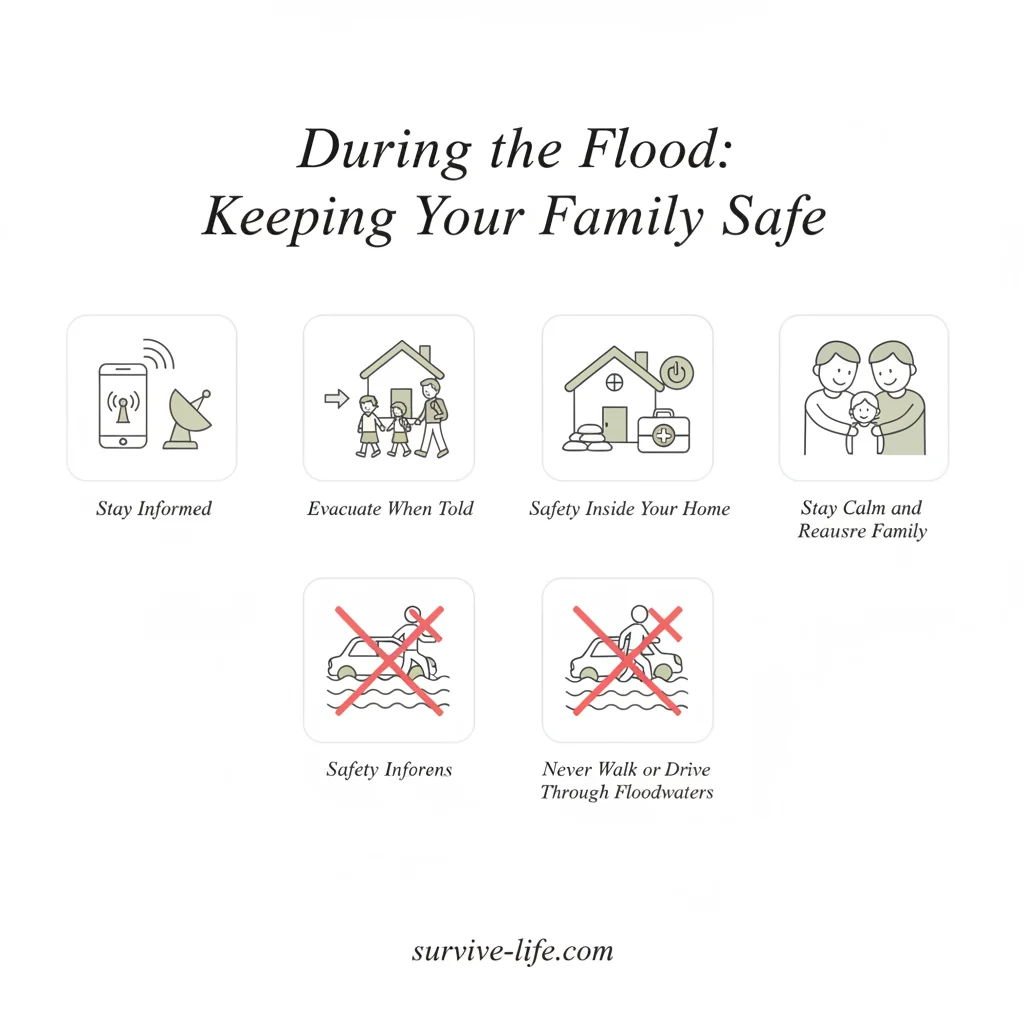
During the Flood: Keeping Your Family Safe
When a flood is actually happening, your main goal is to keep everyone in your family safe. This means staying calm, listening to official advice, and making smart choices about moving or staying put. The dangers during a flood are real and can change quickly, so you must be ready to act fast. Your actions during this time directly impact your safety and the safety of those around you.
Stay Informed
Always listen to local radio, TV, or official weather apps for flood warnings and evacuation orders. Emergency services will give you the most accurate and up-to-date information. Don’t rely on rumors or social media for critical safety decisions. Knowing what officials are telling you helps you make the best choices for your family’s safety.
Evacuate When Told
If authorities tell you to leave, do so immediately. Seriously, don’t wait. Floodwaters can rise very quickly, trapping you and your family. Follow the recommended evacuation routes. Leaving early gives you more time and safer roads. Your life is so much more important than your belongings.
Safety Inside Your Home
If you can’t evacuate and water is entering your home, go to the highest floor or even the roof if necessary. Turn off your main power switch and gas valve if it’s safe to do so and you can reach them without touching water. Do not touch electrical equipment if you are standing in water. Avoid using toilets, as sewer lines might back up.
Never Walk or Drive Through Floodwaters
This is a critical rule, folks. Just six inches of moving water can knock you off your feet, and two feet of water can carry away most vehicles, including SUVs. The water might hide dangerous debris, open manholes, or downed power lines. It’s impossible to tell how deep the water is or what’s underneath it. Always find an alternative route or wait for the water to recede.
Stay Calm and Reassure Family
Floods are scary, especially for children. Try your best to stay calm and reassure your family. Keep everyone together and talk about what’s happening in simple terms. Having a calm leader helps everyone feel safer and think more clearly during such a stressful time.
After the Flood: Recovery and Rebuilding
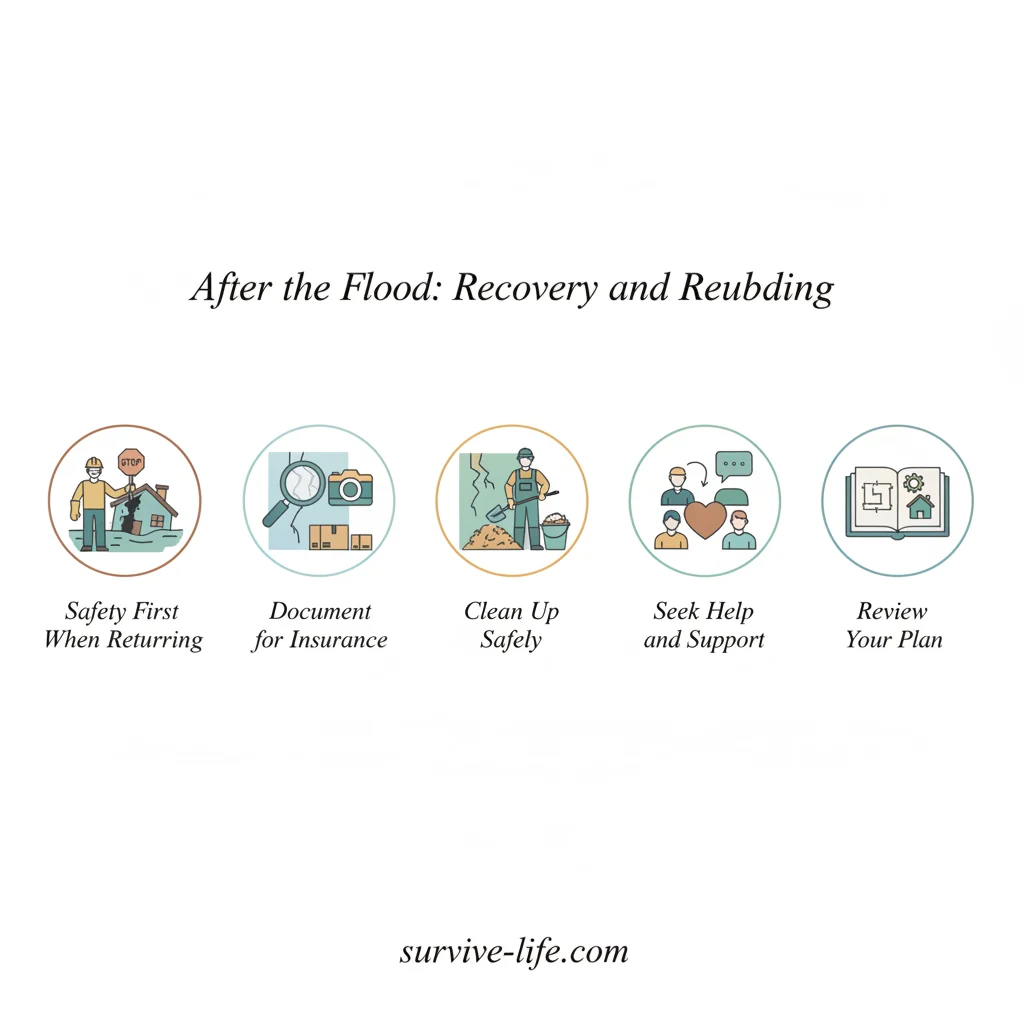
After the floodwaters go down, the tough work of recovery begins. This phase is about safely returning home, assessing damage, and starting the process of cleaning up and rebuilding. It can be a long and hard process, but taking the right steps from the start will help you get back on your feet faster and more safely. Your health and safety remain the top priority during this time.
Safety First When Returning
Do not go back to your home until authorities say it’s safe. When you do return, be very careful. Check for structural damage, gas leaks, and downed power lines. Use a flashlight, not candles, to look around. Wear sturdy shoes and gloves. Floodwaters can leave behind dangerous debris, sharp objects, and contaminated mud.
Document Damage for Insurance
Before you start cleaning or throwing things away, take many photos and videos of all the damage to your home and belongings. Make a detailed list of everything that was damaged or lost. This documentation is very important for your insurance claims and for any disaster assistance you might seek. The more proof you have, the smoother the claims process will be.
Clean Up Safely
Floodwater is often contaminated with sewage, chemicals, and bacteria. Wear protective gear like rubber boots, waterproof gloves, and a mask when cleaning. Remove all wet items, including carpets, drywall, and insulation, as quickly as possible to prevent mold growth. Ventilate your home well by opening windows and using fans. Disinfect all surfaces that came into contact with floodwater.
Seek Help and Support
You don’t have to go through this alone. Reach out to local disaster relief organizations, government agencies, and community groups. They can offer help with food, shelter, financial aid, and emotional support. Talk to your insurance company right away to start your claim. Many resources are available to help you recover.
Review Your Plan
Once things settle down, take some time to think about what worked well in your flood preparedness plan and what could be better. Did your emergency kit have everything you needed? Was your evacuation route clear? Use this experience to make your plan even stronger for the future. This review helps you be even more ready next time.
Making a Flood Preparedness Plan for Your Family
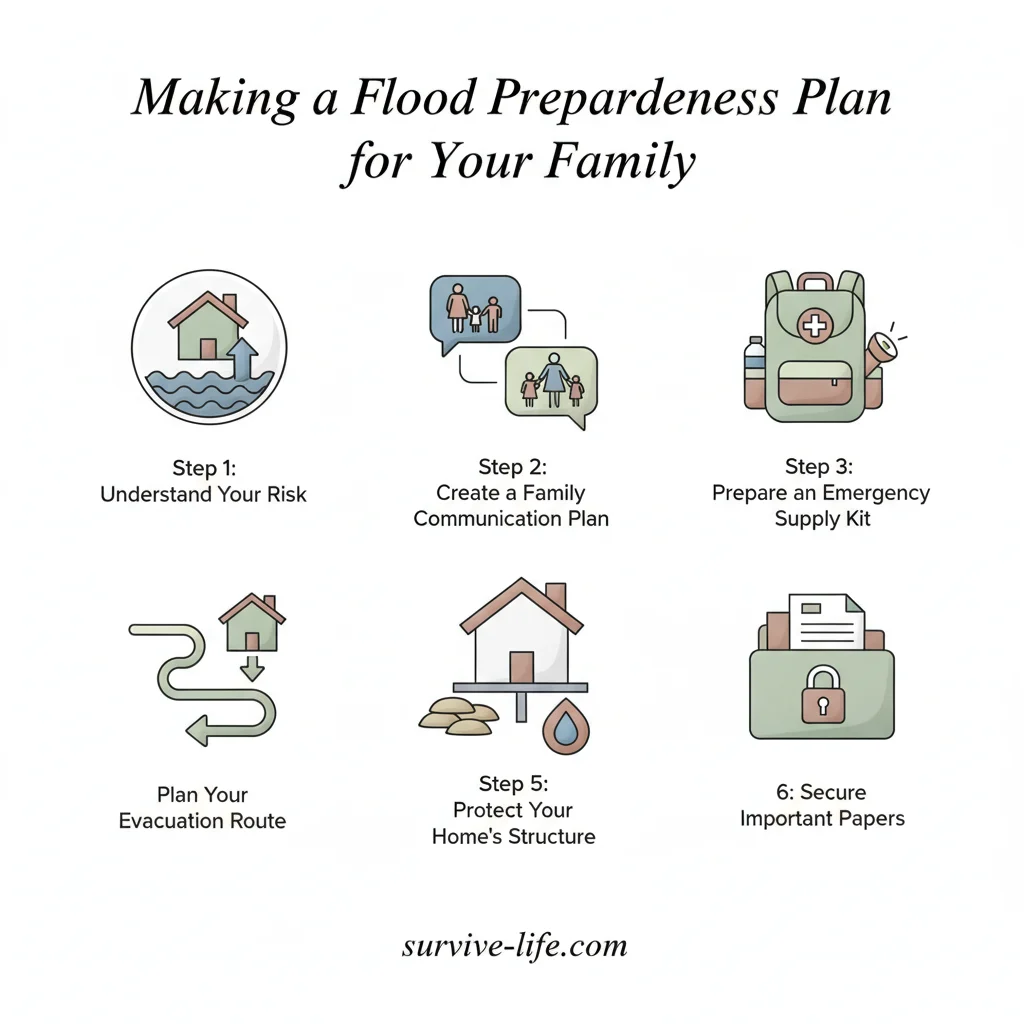
Having a clear, written flood preparedness plan is the absolute best way to ensure your family knows exactly what to do when a flood threatens. This plan is your guide to safety and protection. It should be simple enough for everyone in your family to understand and follow. Creating this plan now gives you peace of mind and makes quick action possible when time is short.
Step 1: Understand Your Risk
Start by finding out if your home is in a flood zone. Look at local flood maps or ask your city or county emergency management office. Also, think about past floods in your area. Knowing your specific risk helps you tailor your plan to your needs. This first step is foundational for all other preparations.
Step 2: Create a Family Communication Plan
Decide how your family will get in touch if you are separated during a flood. Choose an out-of-state contact person everyone can call. Make sure all family members, especially children, know important phone numbers. Write these numbers down and keep them in your emergency kit. Text messages often work when phone calls don’t.
Step 3: Prepare an Emergency Supply Kit
Put together a kit with enough supplies for at least three days. This should include one gallon of water per person per day, non-perishable food, a first-aid kit, a whistle, a battery-powered radio, flashlights, extra batteries, and any special items like medicines, baby supplies, or pet food. Keep it in a waterproof container that is easy to carry.
Step 4: Plan Your Evacuation Route
Identify at least two different ways to leave your neighborhood and reach a safe place. Roads can become blocked by water or debris. Know where you will go – a friend’s house, a relative’s home, or a designated shelter. Practice these routes with your family so everyone knows the way.
Step 5: Protect Your Home’s Structure
Take steps to reduce water damage. If you have a basement, consider a sump pump. Move valuable items to higher floors. If a flood warning is issued, use sandbags around doors and low windows. Turn off utilities like electricity and gas at the main switch if it’s safe to do so before water enters your home.
Step 6: Secure Important Papers
Gather all critical documents such as insurance policies, identification, and financial records. Place them in a waterproof, portable container. Also, make digital copies and save them on a cloud service or a USB drive that you can take with you. This protects your ability to recover after the flood.
Step 7: Practice Your Plan
A plan is only good if you know how to use it. Talk through your plan with your family regularly. Practice your evacuation routes. Make sure everyone knows where the emergency kit is and what their role is. The more you practice, the more natural and effective your actions will be during a real emergency.
Getting ready for floods is a powerful way to protect your family and home. You’ve seen that understanding your risk, making a clear plan, and knowing what to do before, during, and after a flood are all very important steps. These actions help keep everyone safe and make recovery easier. So, please, don’t wait for the water to rise. Start building your flood preparedness plan today. Even small steps can make a big difference. Your peace of mind and your family’s safety are worth every effort. Take action now to be ready for whatever comes.