
Hey there, friend! Let’s grab a virtual coffee and chat about something super important, but often overlooked: being ready for life’s curveballs. You know how it is, right? Life can change in a blink. One minute everything’s humming along, and the next, you might need crucial papers or phone numbers right now. It’s those unexpected moments – a sudden trip to the ER, a big storm forcing you to evacuate, or even just your child getting sick at school while you’re away – that really highlight the need for quick access to vital information.
Think about it: If you had to rush to the hospital today, would you know exactly where your health insurance card is? Who should the doctors call first? What if a massive storm rolls in and you’ve got minutes to grab what’s essential? Can you really put your hands on all your important papers without a frantic search? Or, imagine you’re out of town, and your little one gets a fever at daycare. Does the babysitter know who to call, or where to find their pediatrician’s number without you there to guide them?
It’s a lot to think about, isn’t it? But here’s the good news: there’s a simple, incredibly effective solution that can bring a heck of a lot of peace of mind. It’s called a family binder. This isn’t some complicated, high-tech gadget; it’s just one central, easy-to-reach collection of all your family’s vital information. It’s designed to make sure everyone knows what to do and where to find help in any emergency, even if you’re not there to tell them. It’s your family’s lifeline, truly.
What Exactly is a Family Binder and Why Do You Need One?
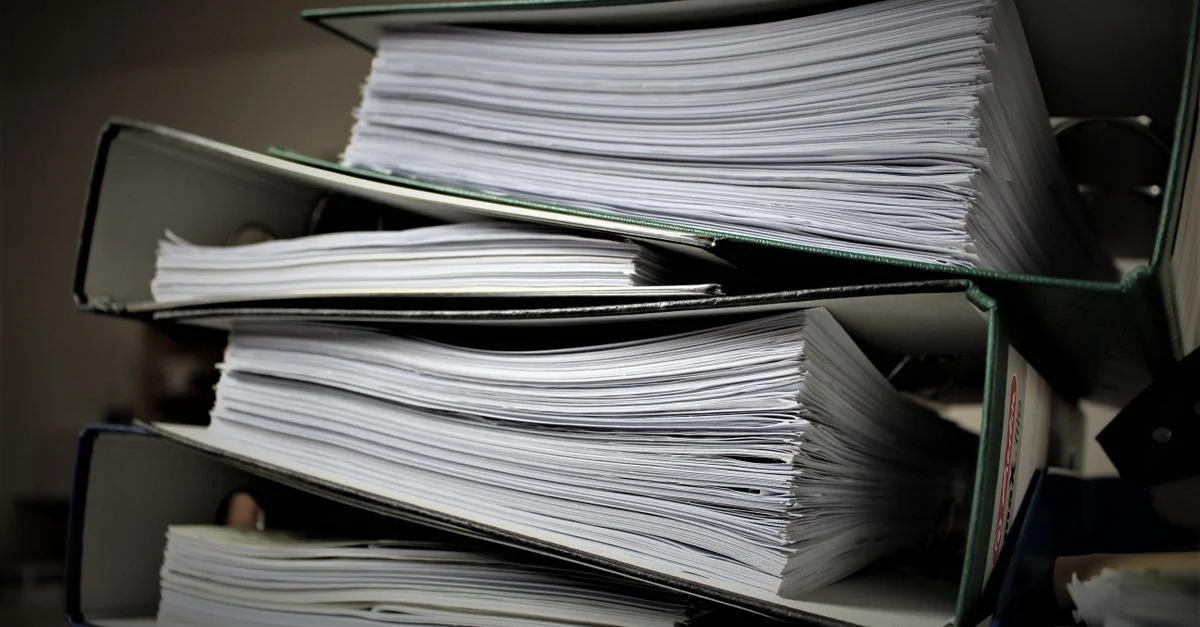
So, what are we talking about when we say “family binder”? Picture a sturdy 3-ring binder, maybe one of those bright, cheerful colors that makes you smile, filled with all the important details about your family. It’s not just a random pile of papers; it’s a carefully organized, special folder that holds everything from phone numbers for doctors, schools, and close family members, to copies of crucial documents like birth certificates and insurance cards. Think of it as your family’s personal emergency information hub, all in one spot.
Now, why do you really need one? Life, as we all know, can be full of surprises – some wonderful, some, well, not so much. We hope for the best, but preparing for the unexpected is just smart. Imagine a scenario where you’re suddenly unwell and can’t communicate clearly, or you’re away on a trip and something happens back home. In these moments, someone else might need to step in and act fast on your family’s behalf. This family emergency binder gives them all the facts they need, right at their fingertips. No guessing, no frantic searching, just clear, concise information. It’s about empowering those who care for your family to make informed decisions quickly, reducing stress and potential delays during an already difficult time. It’s a cornerstone of good family preparedness and disaster readiness.
Essential Contacts to Include in Your Binder
When an emergency strikes, knowing who to call is often the very first, and most critical, step. This section of your binder is like your personal speed dial for crisis situations. Make sure these numbers are clearly written, easy to read, and up-to-date.
Start with the absolute basics:
- Emergency Services: Police, Fire, and Ambulance (the universal 911 in many places, but also local non-emergency numbers if applicable).
- Medical Professionals: Your family doctor, pediatrician, dentist, and any specialists your family members see regularly. Don’t forget your preferred pharmacy’s number!
- Close Family & Friends: List immediate family members (grandparents, siblings, aunts/uncles) who should be contacted, along with a couple of trusted friends or neighbors. Make sure to include their names, relationship to you, and multiple contact numbers (home, cell, work).
- Children’s Contacts: If you have kids, include their school or daycare’s main number, their teacher’s contact info (if appropriate), and any after-school program numbers.
- Work Contacts: Your work number and your partner’s work number, plus a supervisor or HR contact if that’s relevant for emergency notifications.
- Pet Care: Your veterinarian’s number and any pet sitters or kennels you use.
- Utility Companies: Numbers for your electricity, gas, water, and internet providers. These can be crucial during power outages or service disruptions.
- Home Services: Plumber, electrician, HVAC technician – anyone you’d call for a home emergency.
Having these numbers neatly organized and instantly accessible can save precious time and a whole lot of stress when every second counts. It’s about creating a comprehensive list of emergency contacts that anyone can navigate.
Key Documents for Your Family Binder
Beyond just phone numbers, your family binder needs to be a treasure trove of important papers. These aren’t just pieces of paper; they’re the keys to your family’s identity, health, and financial well-being. Having copies of these important documents readily available can keep your family safe, help with big decisions, and smooth out bureaucratic hurdles during a crisis. Remember, we’re talking copies here, not originals, which should be stored in a more secure location like a safe deposit box or a fireproof home safe.
Let’s break down the types of documents you’ll want to include:
1. Personal Identification & Vital Records:
- Birth Certificates: For every family member.
- Social Security Cards: Copies for everyone.
- Passports/Driver’s Licenses/State IDs: Copies of the front and back.
- Marriage Certificate: If applicable.
- Immunization Records: Especially for children, but good for adults too.
2. Health & Medical Information:
- Health Insurance Cards: Copies of both sides for all family members.
- List of Medications: Include dosages and why each person takes them.
- Allergies & Medical Conditions: A clear list for each family member.
- Doctor’s Information: (Already covered in contacts, but good to have a dedicated page here too).
- Advance Directives/Living Wills: If you have them, these are incredibly important for healthcare decisions.
3. Financial & Insurance Information:
- Bank Account Information: Account numbers and bank contact details (don’t include PINs!).
- Credit Card Information: A list of cards, contact numbers for the bank, and the last four digits of the account number (again, no full numbers or PINs). This is for reporting lost/stolen cards.
- Insurance Policies: Copies of declarations pages for home, auto, life, and disability insurance. Include policy numbers and contact info for your agents.
- Loan Documents: Copies of mortgage, car loan, student loan papers.
- Investment Account Information: Basic details and contact info for financial advisors.
- Recent Tax Returns: A copy of the most recent one can be helpful.
4. Legal & Property Documents:
- Wills and Trusts: Copies of these crucial legal documents.
- Power of Attorney: Copies for both financial and medical.
- Property Deeds/Lease Agreements: Copies of your home deed or rental lease.
- Vehicle Titles/Registration: Copies for all family vehicles.
- Pet Records: Vaccination records and microchip information.
5. Other Important Information:
- Emergency Evacuation Plan: A simple map of your home with escape routes, and a designated meeting spot.
- Utility Account Numbers: For quick reference.
- Passwords List: Crucially, this should be handled with extreme care. If you include passwords, use a secure, encrypted method or a code known only to trusted family members. Better yet, use a password manager and note how to access it.
This section is the backbone of your emergency preparedness efforts. It ensures that no matter what life throws your way, you’ve got the essential information to navigate it.
How to Organize and Keep Your Binder Safe
Alright, so you’ve gathered all this vital information. Now, how do you make sure it’s actually useful when you need it most? Organization and safety are key!
1. Choose the Right Binder: Go for a sturdy, durable 3-ring binder. A 2-inch or 3-inch binder is usually a good size to hold everything without being too bulky. Consider one with a zipper closure for extra security and to keep papers from falling out.
2. Use Dividers and Tabs: This is where the magic happens! Create clear sections using tabbed dividers. You might have sections like: Emergency Contacts, Personal IDs & Vital Records, Medical Information, Financial & Insurance, Legal Documents, Home & Property, Utilities & Services. Within each section, use clear sheet protectors for individual documents. This keeps them clean, protected from spills, and easy to flip through without damage.
3. Keep it Accessible, Yet Secure: This is a bit of a balancing act. The binder needs to be somewhere everyone in your immediate family knows about and can easily access in an emergency. Think about a central, obvious spot – maybe a kitchen cabinet, a specific shelf in your home office, or a designated drawer. However, because it contains sensitive information, it also needs to be secure. A great solution is to keep it inside a fireproof and waterproof document box or a small home safe. This protects it from natural disasters and makes it harder for unauthorized persons to access. Just make sure the safe isn’t too hidden!
4. Update Regularly: This isn’t a “set it and forget it” project. Life changes, and so does your information. Make it a habit to review and update your binder at least once a year. A good time might be around tax season, during a spring cleaning, or when you renew your insurance policies. Check phone numbers, update medication lists, add new documents, and remove anything that’s no longer relevant.
5. Share the Knowledge: Make sure your partner, older children, or any trusted individuals who might need to access this binder know where it is and how to use it. You don’t need to share every detail, but they should know its purpose and location.
By taking these steps, you’re not just creating a binder; you’re building a robust system for peace of mind that’s ready for anything.
Conclusion
So, there you have it, my friend. Creating a family binder isn’t just another item on your to-do list; it’s a profound act of love and responsibility. It means you’re not just hoping for the best, but actively preparing for anything life might throw your way. It gives your family the incredible gift of peace of mind, knowing that no matter the situation, the essential information is organized, accessible, and ready.
Don’t put it off. Start gathering your information and making your family binder today. It’s a simple step that gives your family immense security and ensures they’re always supported, even when you can’t be there to guide them. You’ve got this!