
Hurricanes, wow, they’re just these massive, powerful storms, aren’t they? They can bring a heck of a lot of strong winds, heavy rain, and seriously dangerous floods. When one of these giants is heading your way, you really need to know what to do to keep yourself and your family safe and sound. This guide? It’s here to help you figure out exactly how to get ready, whether that means you need to pack up and leave your home (that’s evacuating) or hunker down and stay put (that’s sheltering in place). Knowing your plan ahead of time can honestly save lives and cut down on a ton of stress. It’s all about making smart choices before the storm even thinks about hitting, so you’re not caught totally off guard. This guide will walk you through those two main ways to prepare: evacuating or sheltering in place.
Think about folks living right on the coast, right? When a really strong hurricane is barreling in, they often get those urgent orders to evacuate. That means grabbing all their important stuff and driving to a safer spot further inland. On the flip side, someone living a bit further from the ocean, maybe in a super sturdy house, might be told to shelter in place for a weaker storm. They’d secure their home, gather all their supplies, and just stay inside until the storm passes. See? These are two totally different plans for two totally different situations, but both are all about being prepared and smart.
So, how do you even know if you should pack up and go or just stay put? What kind of things do you absolutely need to have ready for either choice? And how can you make sure everyone in your family, including your furry friends, is safe? These are big questions, and having the answers before a storm even threatens is absolutely key. The decision to evacuate or shelter in place isn’t always easy, you know? It depends on so many things: how strong the hurricane is, exactly where you live, what kind of home you’ve got, and, most importantly, what your local officials tell you to do. Sometimes, even if you’re planning to shelter, things can change super fast, and you might need to leave quickly. Being ready for both possibilities gives you the very best chance to stay safe. In a nutshell, “Hurricane Preparedness Guide: From Evacuation to Sheltering in Place” is all about having a crystal-clear plan for what you’ll do when a hurricane threatens, whether that plan involves leaving your home for safety or staying securely inside your home.
What is Hurricane Preparedness: Evacuation vs. Sheltering in Place?
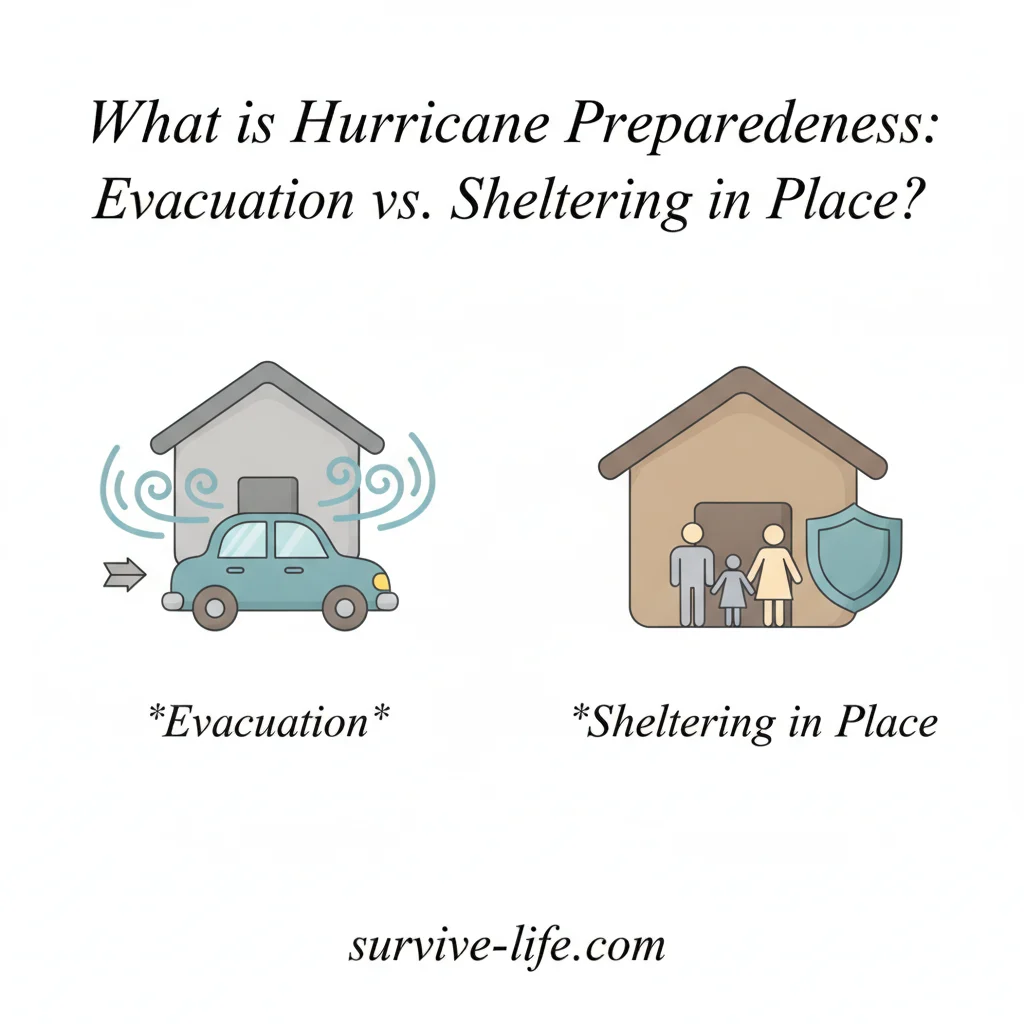
Hurricane preparedness is all about getting ready for a big storm before it even shows up. It means having a solid plan and the right supplies to keep you and your family safe. The main idea here is to know if you should leave your home (that’s evacuating) or stay inside your home (that’s sheltering in place). These are two super different actions, and the choice really depends on a bunch of things, like how strong the storm is, where you live, and what your local safety experts tell you to do. Understanding these two options is the first and most important step in keeping yourself safe when a hurricane is near. It’s not about guessing; it’s about following clear advice and having a plan ready to roll.
Evacuation means you absolutely must leave your home because it’s just not safe to stay. This usually happens if you live in an area that’s going to flood badly from storm surge, or if your home isn’t strong enough for really high winds. When officials tell you to evacuate, trust me, it’s serious. You need to pack up your important things and head to a safer spot, like a friend’s house further inland, a hotel, or a public shelter. Sheltering in place means your home is considered safe enough for the storm. You stay inside, secure your house, and have all your supplies ready. This is often the plan for people who live away from the coast or for weaker storms where the main danger isn’t direct flooding or extreme wind damage to homes. Both choices need careful thought and preparation to work well, so let’s get into it.
Making Your Evacuation Plan: When to Leave and How to Do It
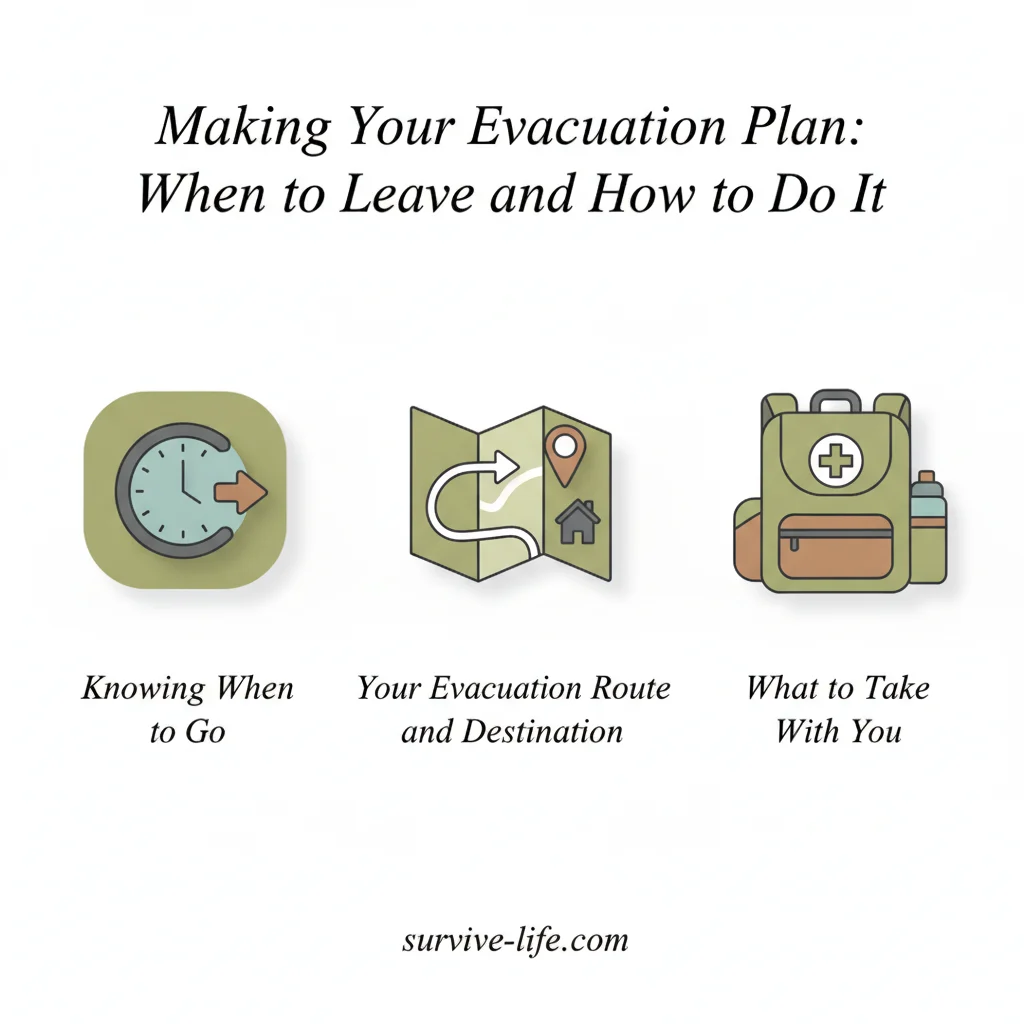
If you live in an area that might flood or get hit by super strong winds, you absolutely need an evacuation plan. This plan helps you know when to leave and how to do it safely. Waiting until the very last minute can be really dangerous, as roads might get totally crowded or even flooded. Your plan should start with knowing your evacuation zone. Local emergency services often have maps that show these zones. If your zone is told to evacuate, you’ve got to go.
Knowing When to Go
Listen closely to local news and emergency alerts. They’ll tell you if an evacuation order is given for your area. Please, don’t wait for the storm to be right on top of you. Evacuation orders are given early so people have enough time to leave safely. If you’re told to evacuate, it means your home isn’t safe. It’s always, always better to leave early than to get stuck. Think about what kind of storm might make you leave. Is it a Category 1 hurricane, or only a Category 3 or higher? Knowing this helps you decide and be prepared.
Your Evacuation Route and Destination
Before a storm even threatens, figure out where you’ll go. This could be a friend’s or family member’s house outside the danger zone, a hotel, or a public shelter. Make sure your chosen place is truly safe and far enough away. Also, know your evacuation routes. These are special roads meant for leaving during an emergency. Have a physical map, not just your phone, in case power or cell service goes out. Practice driving these routes if you can, so you know what to expect. Always try to keep your car’s gas tank at least half full during hurricane season. This way, you’re ready to leave quickly without needing to stop for gas.
What to Take With You
When you evacuate, you can’t take everything, right? You need a “go-bag” with essential items. This bag should be ready to grab and go before hurricane season even starts. Here’s what to pack:
- Important Papers: Copies of insurance policies, birth certificates, IDs, and medical records. Keep them in a waterproof bag, seriously.
- Medications: Enough for several days, plus any medical supplies you need. Don’t forget these!
- Money: Cash, because ATMs might not work if the power’s out.
- Clothes: A few changes of clothes for each person.
- Toiletries: Toothbrushes, soap, hand sanitizer – the basics.
- Food and Water: Some non-perishable snacks and water for the trip.
- Pet Supplies: Food, water, leash, and carrier for your beloved pets.
- Chargers: For your phone and other devices. You’ll want to stay connected if you can.
- First-Aid Kit: Basic supplies for small injuries.
Make sure everyone in your family knows the plan, including the kids. Have a meeting point if you get separated. Leaving your home can be hard, I know, but your safety is the most important thing, always.
Preparing to Shelter in Place: Staying Safe at Home
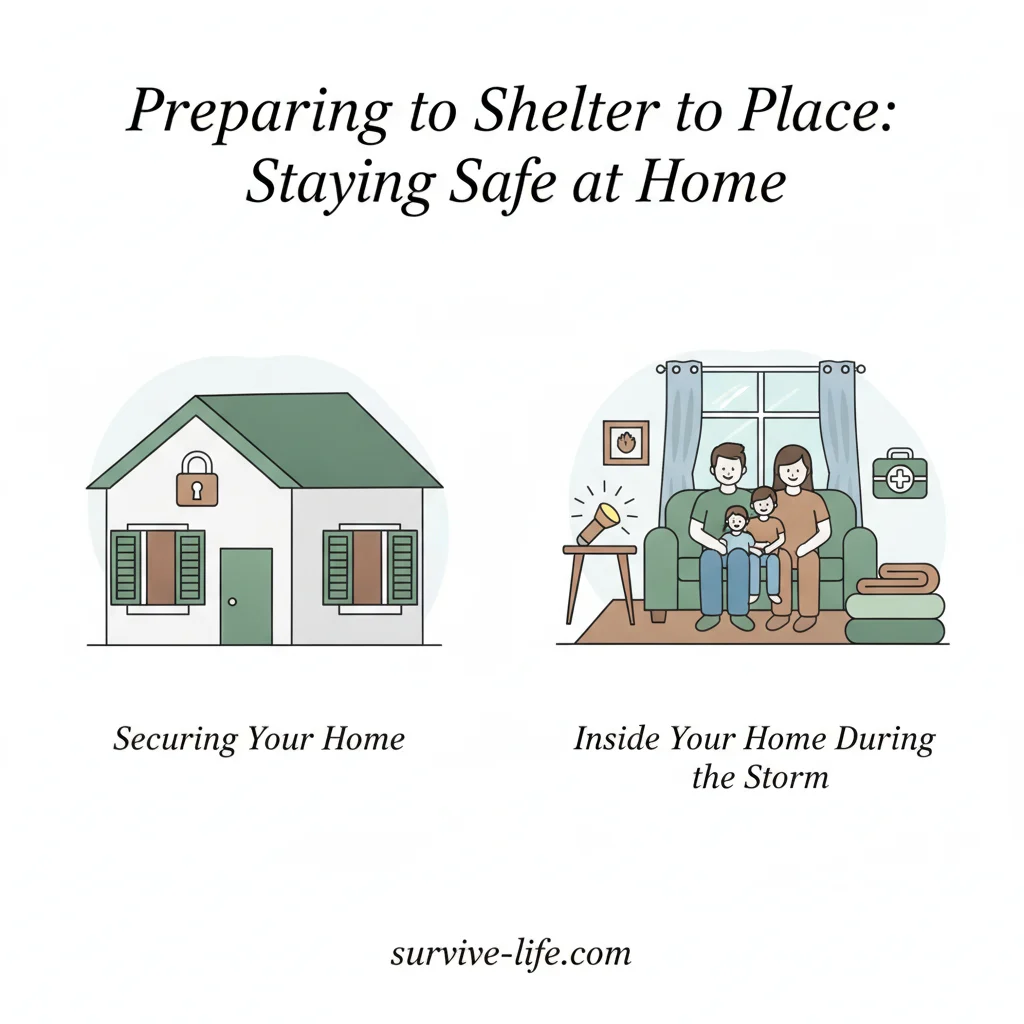
If you’re not in an evacuation zone and officials say it’s safe to stay, then sheltering in place is your plan. This means you’ll ride out the storm right there in your home. But staying home doesn’t mean doing nothing, oh no. You need to prepare your house and gather supplies to make sure you’re safe and comfortable for several days without any outside help. This preparation is absolutely key to staying safe when the storm hits.
Securing Your Home
Before the storm even thinks about arriving, you need to make your home as strong as possible. Think of it like putting on its armor!
- Windows and Doors: Cover all your windows with hurricane shutters or plywood. If you don’t have these, at least close and lock all windows and doors. Strong winds can break glass and let water just pour in.
- Loose Items Outside: Bring inside anything that can blow away, like patio furniture, trash cans, grills, and toys. Trust me, these can become dangerous flying objects in high winds.
- Trees and Drains: Trim any dead or weak tree branches that could fall on your house or power lines. Clear out your gutters and storm drains around your home to help water flow away and prevent flooding.
- Garage Door: Make sure your garage door is strong and properly secured. High winds can really damage weak garage doors, letting wind into your house and causing major structural damage. You don’t want that!
Inside Your Home During the Storm
Once the storm starts, you need to know where to go inside your house. It’s like having a safe zone.
- Safe Room: Identify the safest room in your home. This is usually an interior room on the lowest floor, away from windows and glass doors. A bathroom or a closet can work perfectly.
- Stay Away from Windows: Seriously, do not stand near windows or glass doors during the storm. Flying debris can break them in a flash.
- Power Outages: Expect the power to go out. Have flashlights and battery-powered lanterns ready. Please, do not use candles, as they’re a fire risk. Turn off major appliances to prevent damage when power eventually comes back on.
- Water Safety: If you lose power and have a well, you might lose water. Fill bathtubs and large containers with water for washing and flushing toilets. Have plenty of bottled water for drinking.
- Communication: Keep your phone charged before the storm hits. Have a battery-powered or hand-crank radio to listen for emergency updates. It’s your lifeline to information.
Sheltering in place requires patience and super careful planning. Make sure everyone in your household knows the plan and what to do. Staying calm and following your preparations will help you get through the storm safely. You’ve got this!
Essential Supplies for Any Hurricane Situation
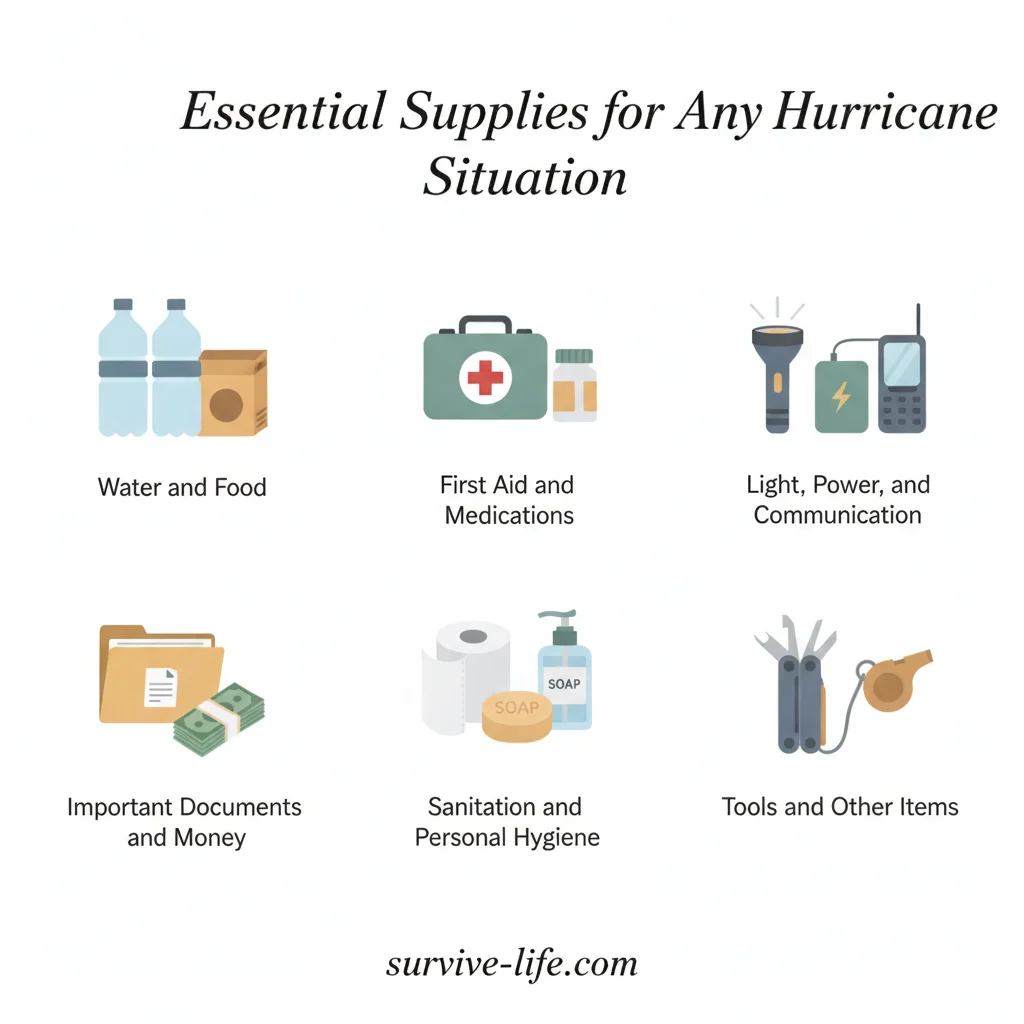
Whether you’re told to evacuate or you plan to shelter in place, having a well-stocked emergency kit is an absolute must. This kit, often called a “go-bag” for evacuation or a “disaster supply kit” for sheltering, should have enough items to last you and your family for at least 3 to 7 days. You might not have power, clean water, or access to stores for a while after a hurricane, you know? Having these supplies ready means you can take care of yourself and your loved ones without relying on outside help right away. It’s all about self-sufficiency.
Water and Food
- Water: This is the most important item, hands down. You need at least one gallon of water per person per day for drinking and basic hygiene. Store enough for 3 to 7 days. Seriously, stock up!
- Food: Pack non-perishable food items that don’t need cooking or refrigeration. Canned goods (with a manual can opener, don’t forget that!), energy bars, dried fruit, and peanut butter are good choices. Remember food for babies or special diets, too.
First Aid and Medications
- First-Aid Kit: A basic kit should include bandages, antiseptic wipes, pain relievers, gauze, medical tape, and any personal items like contact lens solution.
- Prescription Medications: Make sure you have at least a 7-day supply of any prescription medicines you or your family members need. Keep them in their original containers.
- Other Medical Needs: If anyone in your family has special medical equipment, like oxygen tanks or mobility aids, plan for how to power them or move them safely.
Light, Power, and Communication
- Flashlights and Batteries: Have several flashlights and plenty of extra batteries. Headlamps are also super useful as they leave your hands free.
- Battery-Powered or Hand-Crank Radio: This is vital for getting emergency information if power and cell service are out. It’s your link to the outside world.
- Power Bank/Portable Charger: Keep these charged to power your cell phone.
- Whistle: To signal for help if needed.
Important Documents and Money
- Copies of Important Papers: Keep copies of birth certificates, insurance policies, medical records, and identification in a waterproof bag. You’ll be glad you did.
- Cash: ATMs and credit card machines might not work if there’s no power. Have small bills on hand.
Sanitation and Personal Hygiene
- Toiletries: Soap, hand sanitizer, wet wipes, toilet paper, and feminine hygiene products.
- Garbage Bags: For waste disposal.
Tools and Other Items
- Wrench or Pliers: To turn off utilities if needed.
- Manual Can Opener: For canned food.
- Pet Supplies: Food, water, leash, carrier, and any medications for your pets.
- Comfort Items: Books, games, or toys for children to help pass the time and reduce stress.
Check your kit twice a year, like when daylight saving time changes, to make sure food and medicine aren’t expired and batteries are fresh. Having these supplies ready means you’re prepared for whatever the hurricane brings. It’s peace of mind, really.
After the Storm: What to Do Next
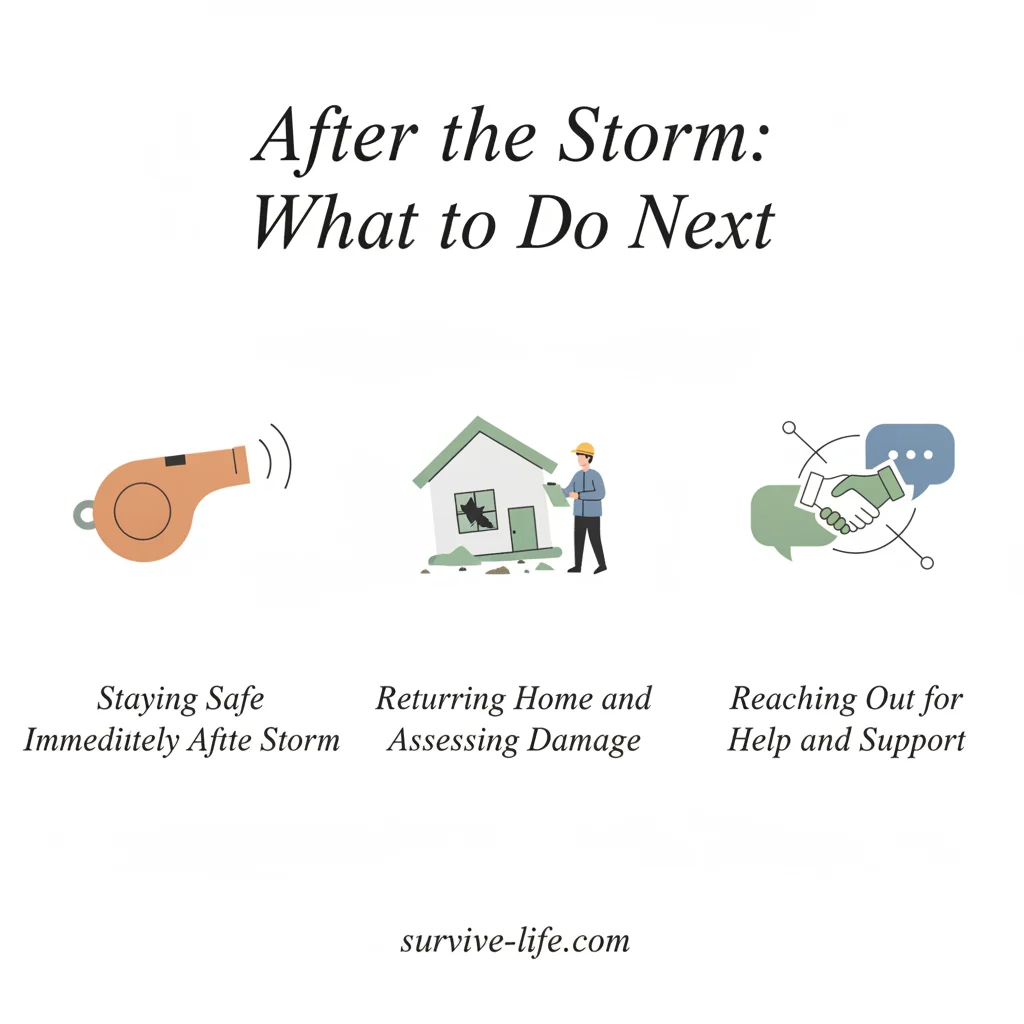
The hurricane might have passed, but the danger isn’t always over, you know? The time right after a storm can bring new risks, like downed power lines, flooded roads, and damaged buildings. Knowing what to do in the hours and days after a hurricane is just as important as preparing for it. Your safety and the safety of your family should still be your top priority. Please, don’t rush back into danger.
Staying Safe Immediately After the Storm
- Listen for Official Updates: Don’t leave your shelter or return home until local authorities say it’s safe. Emergency services will let you know when it’s clear to move around. There might be hidden dangers like gas leaks, unstable structures, or live power lines.
- Check for Injuries: First, check yourself and your family for any injuries. Give first aid if needed.
- Avoid Floodwaters: Do not walk or drive through floodwaters. Even shallow water can hide dangers like sharp debris, open manholes, or strong currents. Water can also be electrically charged from downed power lines. “Turn around, don’t drown” is a very important rule to remember.
- Watch for Downed Power Lines: Treat all downed power lines as live and dangerous. Stay far away and report them to your utility company.
- Gas Leaks: If you smell gas or hear a hissing sound, turn off the main gas valve if you know how and it’s safe to do so. Leave the area immediately and report it to the gas company. Do not use matches or lighters, ever.
Returning Home and Assessing Damage
- Be Careful When Entering: If your home was damaged, be very careful when you go inside. Look for structural damage, broken glass, and other hazards. Wear sturdy shoes and gloves to protect yourself.
- Document Damage: Take photos or videos of any damage to your home and belongings. This will be super important for insurance claims later on.
- Check Utilities: Do not turn on electricity until you are sure it is safe and dry. Have a qualified electrician check your home if there was flooding or damage to your electrical system. Check for damage to gas lines and water pipes, too.
- Food Safety: Throw away any food that might have spoiled due to power outages. “When in doubt, throw it out” is a good motto here.
- Clean Up Safely: When cleaning up, wear protective gear. Be aware of mold growth in damp areas, which can cause health problems.
Reaching Out for Help and Support
- Contact Family and Friends: Let your loved ones know you are safe. Use text messages if possible, as phone lines might be busy.
- Emergency Services: Only call 911 for life-threatening emergencies. For other issues, use non-emergency numbers if available.
- Insurance Company: Contact your insurance company as soon as you can to start the claims process.
The recovery process can take time, a lot of time sometimes. Be patient, stay safe, and help your neighbors if you can. Working together makes recovery faster and easier for everyone. We’re all in this together.
Conclusion Preparing for a hurricane really means understanding if you need to evacuate or shelter in place. Both plans need careful thought, from gathering supplies to knowing your routes and securing your home. Being ready helps keep you and your loved ones safe, plain and simple. You’ve learned about making an evacuation plan, preparing your home to shelter, gathering essential supplies, and what to do after the storm passes. Each step is important for your safety, so don’t skip any! Take the time now to make your hurricane plan. Talk to your family, gather your supplies, and know your local emergency information. Your preparedness today can make a huge difference when a storm threatens tomorrow. Stay safe out there!