
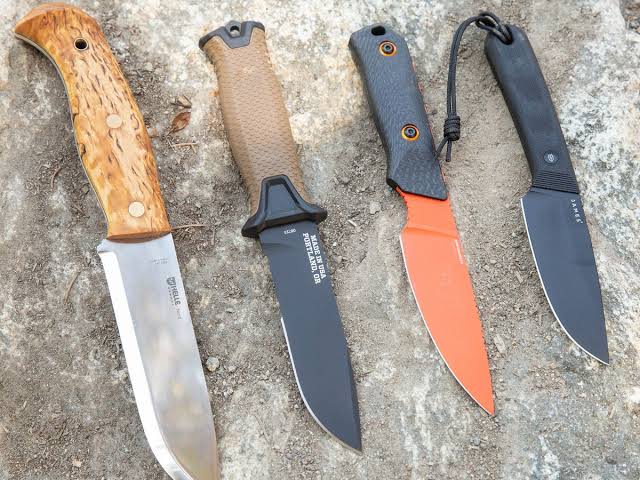
The notion of a single ‘best’ blade length for a survival knife is a dangerous oversimplification. A fixed number does not define optimal utility. The most effective blade length is a functional range. This range is determined by the primary tasks you anticipate. It also considers the need for versatile, controlled utility in austere environments. Selecting the right tool for the job is paramount for survival. Understanding the nuances of blade length ensures you carry a truly effective instrument.
The Functional Sweet Spot: 4 to 6 Inches
This blade length range provides the most balanced utility for the widest array of survival tasks. A blade between 4 and 6 inches offers sufficient leverage for light chopping. It also handles batoning through small to medium-sized wood effectively. Simultaneously, it retains the critical control necessary for fine carving. This includes tasks like feather sticking for fire starting. Furthermore, it is ideal for precise food preparation in the field. This length strikes a critical balance between power and precision. It makes the knife manageable for extended use without inducing excessive fatigue. A shorter blade lacks the momentum for efficient chopping. A longer blade sacrifices fine motor control. Therefore, the 4-6 inch range is a versatile workhorse.
For instance, processing firewood for a sustained fire requires some chopping capability. However, creating intricate traps or preparing delicate tinder demands precision. A knife in this sweet spot handles both ends of the spectrum. It allows for robust work without becoming unwieldy. It also permits detailed tasks without feeling too small or underpowered. This adaptability is crucial in a survival scenario. You cannot always predict every task you will face. A balanced blade length ensures you are prepared for most eventualities. It minimizes the need for multiple specialized tools. This reduces your overall pack weight and complexity. Therefore, a 4 to 6-inch blade is a cornerstone of any serious survival kit.
Field Note: When selecting a knife in this range, prioritize a full tang construction. This ensures maximum strength and durability for batoning and other heavy-duty tasks. A full tang means the blade steel extends through the entire handle. This design prevents handle failure under stress. It is a non-negotiable feature for a reliable survival knife. Furthermore, consider the blade thickness. A thicker spine adds rigidity for batoning. However, it can also make fine slicing slightly more challenging. A balance around 0.15 to 0.25 inches is generally effective. This provides robust performance without excessive bulk. This careful consideration enhances the knife’s overall utility and longevity.
Advantages of Shorter Blades (Under 4 Inches)
Shorter blades, typically under 4 inches, excel at detailed work. Their compact size provides enhanced control and precision. This makes them superior for tasks requiring fine motor skills. Examples include carving traps with intricate cuts. They are also excellent for preparing fine tinder, such as wood shavings or feather sticks. Processing small game or fish with accuracy becomes much easier. The reduced blade length allows for delicate maneuvers. This minimizes waste and maximizes efficiency during food preparation. Furthermore, the smaller profile contributes to ease of carry and concealment. These blades are less cumbersome for everyday carry. They are also less prone to snagging on brush or gear in dense environments. Their lightweight nature reduces overall pack burden.
However, these advantages come with significant limitations in heavy-duty work. Blades under 4 inches are inefficient for heavy chopping. They lack the necessary mass and leverage to generate effective momentum. Splitting larger wood through batoning becomes difficult and often unsafe. The short blade struggles to penetrate deeply. It also provides insufficient surface area to strike with a baton. Prying tasks are also problematic. A short, thin blade can bend or break under stress. This compromises the knife’s integrity. Therefore, while excellent for fine tasks, a shorter blade should not be your sole survival knife. It functions best as a secondary, specialized tool. It complements a larger, more robust primary blade. This combination ensures comprehensive capability in the field.
Pro-Tip: For a dedicated carving or detail knife, look for a Scandinavian grind. This grind creates a very sharp, robust edge. It excels at wood carving and fine work. It is also relatively easy to sharpen in the field. The single bevel design makes it simple to maintain a consistent angle. This ensures a razor-sharp edge for precision tasks. Furthermore, consider a comfortable, ergonomic handle. Detailed work often requires extended periods of use. A well-designed handle prevents hand fatigue and hot spots. This allows for sustained, precise effort. A lanyard hole is also beneficial for securing the knife. This prevents loss during intricate tasks. These small details significantly enhance the utility of a shorter blade.
Capabilities and Drawbacks of Longer Blades (Over 6 Inches)
Blades exceeding 6 inches offer increased chopping and batoning efficiency. Their greater length and mass generate more momentum. This makes them effective for chopping larger branches. They can process substantial wood for shelter construction or fire. The extended blade length also provides a longer cutting edge. This can be advantageous for certain tasks. For instance, clearing dense vegetation might benefit from a longer sweep. However, these benefits are often outweighed by significant drawbacks. The added length and weight compromise fine motor control. Detailed tasks become awkward and less precise. Carving, feather sticking, and delicate food preparation are challenging. The knife feels unwieldy in hand. This increases the risk of accidental cuts.
Furthermore, longer blades increase user fatigue over time. The extra weight requires more effort to wield. This leads to quicker exhaustion during prolonged use. They are also more prone to binding during batoning. A very long blade can twist or get stuck in wood. This makes the process less efficient and potentially dangerous. The leverage point shifts further from the hand. This reduces control during impact. Consequently, accuracy suffers. Legal and practical carry considerations also become relevant. Longer blades can be legally restricted in certain areas. This limits their utility for general wilderness travel. They are also generally more difficult to carry discreetly or comfortably. A large knife can snag on clothing or brush. It can also cause discomfort during extended hikes. This makes them less practical for a primary survival tool.
Field Note: If a longer blade is chosen for specific, heavy-duty tasks, ensure it has a robust sheath. The sheath must secure the knife firmly. It should also allow for comfortable, accessible carry. A poorly designed sheath can lead to loss or injury. Furthermore, practice with the knife extensively. Understand its limitations for fine work. Do not rely on it for tasks requiring precision. Consider carrying a smaller, secondary knife for those specific needs. This dual-knife approach mitigates the drawbacks of a single, overly long blade. It ensures you have the right tool for both heavy and delicate work. This strategy enhances overall preparedness and safety.
Task-Specific Blade Length Selection
Selecting the appropriate blade length depends heavily on anticipated tasks. For significant wood processing and shelter building, a blade closer to the 6-inch mark within the optimal range offers better leverage. This length provides the necessary momentum for chopping. It also allows for effective batoning of larger wood sections. However, for detailed carving, such as crafting traps or making tent stakes, a 4-5 inch blade is superior. Its shorter length provides enhanced control and precision. This allows for intricate cuts and fine shaping. Therefore, consider the primary wood-related tasks you expect to encounter. This will guide your selection within the 4-6 inch sweet spot. A versatile blade can handle both, but one end of the spectrum might be slightly more efficient.
Food preparation and game processing demand precision. A 4-5 inch blade allows for delicate cuts. It is ideal for skinning small game or gutting fish. The reduced bulk and enhanced control minimize waste. It also ensures hygienic processing. A longer blade can be cumbersome for these tasks. It increases the risk of accidental punctures or cuts. For self-defense considerations, a survival knife’s primary role is utility. Its design focuses on practical survival tasks. While any knife can be used defensively, its length should not be solely dictated by combat effectiveness. Focus on a length that maximizes your ability to build shelter, start fires, and process food. These are the core functions of a survival knife. Defensive use is a secondary, situational application.
Pro-Tip: When processing game, a sharp, clean edge is paramount. A blade with a slight belly (curve) near the tip assists with skinning. A straight edge is better for precise cuts in meat. Therefore, a blade with a subtle curve and a strong point offers good versatility. Always clean your blade thoroughly after processing food or game. This prevents contamination and corrosion. Carry a small bottle of food-grade mineral oil for this purpose. It protects the blade and is safe for food contact. This attention to detail ensures your knife remains a reliable tool for sustenance. It also maintains hygiene in austere conditions.
Recommended Blade Steels and Handle Materials for Durability
For a primary survival knife, blade steel selection is critical. High-carbon steels, such as 1095 or CPM 3V, offer superior toughness and edge retention. They excel under hard use, resisting chipping and holding a keen edge. However, they require diligent maintenance to prevent rust. High-carbon steels are reactive to moisture and acids. Stainless steels, like S30V or 440C, provide better corrosion resistance. This makes them lower maintenance in wet environments. However, some stainless steels can be harder to sharpen in the field. They may also be more prone to chipping under extreme stress compared to tough carbon steels. The choice depends on your environment and maintenance commitment. For ultimate resilience and ease of field sharpening, many experts favor high-carbon steels. They prioritize performance over minimal upkeep.
Ergonomic handle materials are essential for a secure grip. Micarta, G10, and quality synthetic rubbers provide excellent traction. They maintain grip even when wet, bloody, or cold. These materials are also highly durable. They resist temperature extremes and impact. Avoid hollow handles. These designs often compromise structural integrity. They can fail under stress. Handles with poor ergonomics cause hot spots and fatigue. This reduces control and effectiveness during prolonged use. A well-designed handle feels like an extension of your hand. It allows for confident, sustained work. It also minimizes the risk of accidents. Prioritize a handle that fills your hand comfortably. It should offer a secure, non-slip surface.
Specific Models for Reliable Performance: For a 4-6 inch blade, consider robust fixed blades. The ESEE-4 features a 4.5-inch blade. It is known for its exceptional toughness and practical design. The Benchmade Bushcrafter has a 4.43-inch blade. It offers premium steel and excellent ergonomics. The Mora Garberg, with its 4.3-inch blade, provides outstanding value and durability. These models exemplify the balance of durability, ergonomics, and practical blade length. They are field-tested and trusted by survivalists. Each offers a full tang construction. This ensures maximum strength for demanding tasks. Their designs prioritize functionality and reliability in austere conditions.
Sharpening and Maintenance for Field Readiness
Maintaining a razor edge in the field is non-negotiable for survival. A dull knife is a dangerous knife. It requires more force to cut. This increases the risk of slippage and injury. Carry a compact sharpening system suitable for your chosen blade steel. Diamond plates are versatile. They can sharpen various steel types efficiently. Ceramic rods offer a finer grit for refining an edge. A small, multi-grit stone or a portable sharpener like a Work Sharp Field Sharpener is also effective. Practice sharpening your knife regularly. Understand the correct angles for your blade. This ensures you can restore a keen edge quickly and effectively. A sharp knife makes all survival tasks easier and safer. It is a critical skill for any outdoorsman.
Preventing corrosion and damage extends your knife’s lifespan. Regularly clean and dry your blade after every use. This removes moisture, sap, and corrosive residues. For high-carbon steels, apply a thin layer of oil or wax. This creates a protective barrier against rust. Do this especially after use in wet conditions. Mineral oil, gun oil, or even a small amount of cooking oil can work in a pinch. Store your knife in a dry environment. Avoid leaving it in a damp sheath for extended periods. Leather sheaths can trap moisture. This accelerates corrosion. Inspect your knife periodically for any signs of wear or damage. Address minor issues before they become major problems. Proper maintenance ensures your knife remains a reliable tool when you need it most.
Field Note: When sharpening, focus on maintaining a consistent angle. This is more important than achieving a perfect mirror polish initially. A consistent angle creates a strong, sharp edge. Use the ‘marker trick’ to check your angle. Color the edge bevel with a permanent marker. Make a few passes on your sharpener. If the marker is removed evenly across the bevel, your angle is correct. If not, adjust your angle. This simple technique helps beginners achieve consistent results. Furthermore, always sharpen away from your body. This minimizes the risk of injury if your hand slips. Safety is paramount during all knife maintenance tasks.
Prioritizing Practicality Over Perception
The best blade length for a survival knife is not about intimidating size. It is about practical, versatile utility. A blade between 4 and 6 inches provides the optimal balance. It offers control, power, and maneuverability. This range handles the vast majority of survival tasks effectively. It allows for both robust wood processing and delicate carving. Furthermore, it is manageable for extended use. This minimizes fatigue and maximizes efficiency. Choosing a knife is a personal decision. However, it must be grounded in functional reality. Do not fall for marketing hype or oversized blades.
A survival knife should feel like an extension of your hand. It should not be a burden. Its weight and balance must be comfortable for prolonged use. Consider the specific environment you will operate in most frequently. This influences the ideal length within the 4-6 inch range. For instance, dense forest work might favor a slightly longer blade for chopping. Open terrain might prioritize a slightly shorter blade for precision. Ultimately, the knife must inspire confidence. It must perform reliably under pressure. This ensures your preparedness in any austere situation. Your knife is a critical life-saving tool.
Field Note: Before relying on any survival knife, test it thoroughly. Practice all essential survival tasks with it. This includes batoning, feather sticking, carving, and fire starting. Understand its capabilities and limitations. This hands-on experience builds proficiency and trust in your gear. It also reveals any ergonomic issues or design flaws. Do not wait for an emergency to discover your knife’s shortcomings. Furthermore, always carry your knife securely. A reliable sheath is as important as the blade itself. It protects both you and the knife. This ensures it is always accessible and ready for immediate use.