Life’s unpredictable, and emergencies can strike when you least expect them. From natural disasters to unexpected power outages, being prepared can make all the difference. A 72-hour kit is a pre-packed bag designed to sustain you and your family for at least three days (72 hours) in the event of an emergency or evacuation.
Its core purpose is to provide essential supplies when immediate help might not be available, allowing you to be self-sufficient during those critical initial hours. This article will cover what a 72-hour kit is, why it’s crucial, what to pack, how to build and maintain it, and much more.
What Exactly Is a 72-Hour Kit?
The Core Concept: Self-Sufficiency for 3 Days
The “72-hour” timeframe isn’t arbitrary. It represents the critical period after a widespread disaster when emergency services might be overwhelmed or unable to reach you. During these initial three days, you need to be able to provide for your basic survival needs: water, food, shelter, first aid, and communication.
Other Names You Might Hear
While “72-hour kit” is common, you’ll encounter other terms that essentially refer to the same concept, often with slight nuances:
- Bug Out Bag (BOB): This term often implies a kit specifically for evacuating quickly from your home.
- Go Bag: Similar to a BOB, emphasizing immediate departure.
- GRAB Bag: An acronym for “Get Ready And Bugout” bag.
- Emergency Kit: A broader term, but frequently used interchangeably with a 72-hour kit, especially when referring to a portable, personal kit.
Who Needs One? (Spoiler: Everyone!)
Preparedness isn’t just for “preppers.” Everyone benefits from having a 72-hour kit. This includes individuals, families, pet owners, and those with special medical needs. It’s about everyday safety and resilience, not just extreme scenarios. If you live in an area prone to any kind of disruption, you need one.
Why Is a 72-Hour Kit So Important?
The ‘Golden 72 Hours’ After a Disaster
Understanding the initial chaos after a disaster is key. Roads might be impassable, communication lines down, and emergency responders stretched thin. During these “golden 72 hours,” your ability to be self-sufficient reduces strain on emergency services, allowing them to focus on the most critical situations. Your kit ensures you aren’t adding to the immediate burden.
Common Scenarios Where It’s a Lifesaver
A 72-hour kit isn’t just for a single type of disaster. It’s versatile for many situations:
- Natural Disasters: Earthquakes, hurricanes, floods, wildfires, blizzards – these can force rapid evacuations or leave you stranded without power or resources.
- Power Outages: Extended blackouts can affect utilities, heating, cooling, and access to food and water.
- Evacuations: Mandatory orders due to hazards like chemical spills or civil unrest require you to leave quickly.
- Unexpected Emergencies: A car breakdown in a remote area, getting stranded during severe weather, or even localized civil unrest can turn into a survival situation.
Peace of Mind and Preparedness
Knowing you have a plan and the resources to act on it significantly reduces anxiety. A well-stocked 72-hour kit empowers you and your family to face challenges with confidence, rather than fear. It’s about taking control of your safety.
What Should Go Into Your 72-Hour Kit? (The Essential Categories)
Building your kit means thinking systematically about your needs. Here are the essential categories:
Water and Hydration
Water is paramount. You need a minimum of 1 gallon per person per day, so aim for at least 3 gallons total. Also include:
- Water purification tablets or a portable filter (e.g., Sawyer Mini, Lifestraw).
- Collapsible water containers or a hydration bladder.
Food and Nutrition
Pack non-perishable, high-calorie, easy-to-prepare items. Think about things that require no cooking or minimal water:
- Energy bars, MREs (Meals Ready-to-Eat), dried fruit, nuts, jerky.
- A manual can opener if any of your food items require it.
- A few comfort foods like hard candy or chocolate can boost morale.
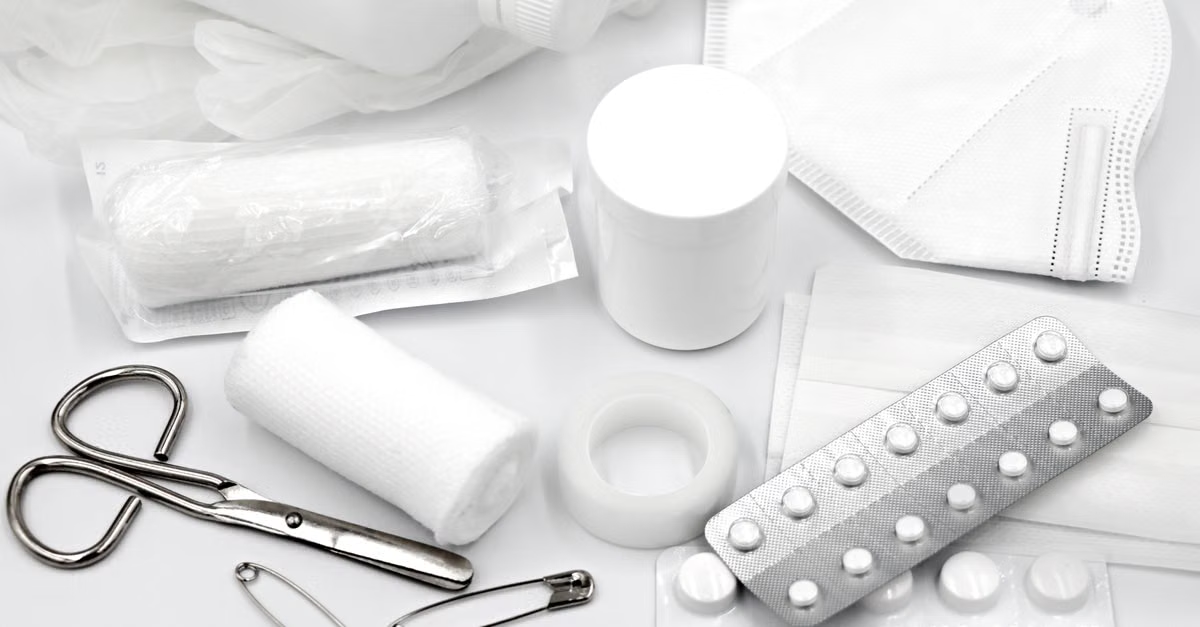
First Aid and Medications
Your first aid kit should be comprehensive:
- Bandages, antiseptic wipes, pain relievers, gauze, medical tape, antibiotic ointment.
- Prescription medications (at least a 3-day supply, ideally more if possible).
- Any necessary medical devices (e.g., inhaler, EpiPen, glucose meter).
Shelter and Warmth
Protection from the elements is critical:
- Emergency blankets (mylar) or lightweight sleeping bags.
- A tarp or plastic sheeting for makeshift shelter.
- Extra layers of clothing (weather-appropriate, moisture-wicking materials like wool or synthetics).
- Rain gear (poncho or lightweight jacket).
Tools and Utilities
These items help you manage your environment:
- Multi-tool or a sturdy knife.
- Flashlight or headlamp with extra batteries (LED is best for battery life).
- Hand-crank or battery-powered radio, preferably one that receives NOAA weather alerts.
- Fire starter (waterproof matches, lighter, ferro rod).
- Duct tape, cordage (like paracord).
Sanitation and Hygiene
Maintaining hygiene prevents illness and boosts morale:
- Toiletries (toothbrush, toothpaste, soap, hand sanitizer).
- Toilet paper, wet wipes.
- Feminine hygiene products.
- Garbage bags for waste disposal and makeshift rain gear.
Important Documents and Cash
Keep these in a waterproof bag:
- Copies of identification, insurance policies, medical records, birth certificates.
- Small denominations of cash (ATMs may not work).
- An emergency contact list (laminated or in a waterproof pouch).
Communication and Navigation
Staying informed and finding your way:
- Whistle for signaling.
- Local maps (paper copies) and a compass (know how to use them).
- A fully charged power bank for cell phones.
- Pen and paper for notes or leaving messages.
Personal Items and Comfort
Don’t forget items specific to your needs or for morale:
- Extra glasses or contact lenses.
- Pet supplies (food, water, leash, carrier, medical records).
- Small toys or books for children.
- Any specific comfort items that boost morale, within reason.
Building Your 72-Hour Kit: Step-by-Step
Choose the Right Bag
Your bag is the foundation. Select a durable, comfortable backpack or duffel bag. It needs to be an appropriate size for your needs and physical ability. Consider waterproof features or a separate rain cover to protect contents.
Prioritize and Pack Smart
Strategic packing makes a difference. Place heaviest items at the bottom for stability. Keep frequently used items (like a flashlight, first aid, or water) on top or in easily accessible outer pockets. Use stuff sacks or Ziploc bags to organize and waterproof items further. Distribute weight evenly to make carrying easier.
Test Your Kit
Don’t just pack it and forget it. Practice carrying your kit for a short distance. Familiarize yourself with the contents and how to use them. Simulate a mini-emergency – even just opening the kit and reviewing its contents – to identify any gaps or items you might have forgotten.
Maintaining Your Kit: Don’t Set It and Forget It
Regular Inventory and Expiration Dates
Your kit isn’t static. Check food, water, and medication expiration dates every 6-12 months. Rotate out items nearing expiration, using them in daily life and replacing them with fresh supplies. Test batteries in flashlights and radios to ensure they work when needed.
Seasonal Adjustments
Your needs change with the weather. Swap out clothing for warmer or cooler options depending on the season. Add or remove items based on potential seasonal hazards – for example, extra bug spray in summer or hand warmers in winter.
Practice and Familiarization
Regularly review the contents with your family. Ensure everyone knows where the kit is stored and how to access it. Discussing the kit’s purpose and contents helps build family preparedness.
Where Should You Store Your 72-Hour Kit?
Accessibility is key for your kit.
Home Storage
Keep your kit in an easily accessible location, such as a closet near an exit, a garage, or a designated pantry shelf. Ensure all family members know its location. Store it away from extreme temperatures or direct sunlight, which can degrade food, water, and batteries.
Vehicle Storage (If Applicable)
Consider a smaller, supplemental kit in your car for roadside emergencies or if you’re caught away from home. This might include water, snacks, a first aid kit, and a blanket. Securely store it to prevent shifting during travel.
Workplace Considerations
If you commute, a small, personal “go-bag” for your office is a smart move. This could contain essentials like water, non-perishable snacks, personal medications, and comfortable shoes for walking home if transportation is disrupted.
Beyond the Basics: Customizing Your Kit
Your kit should reflect your unique circumstances.
Family-Specific Needs
- Babies: Diapers, formula, wipes, specific medications, comfort items like a favorite blanket or pacifier.
- Elderly: Specific medications, mobility aids, comfort items, copies of medical directives.
- Pets: Food, water, leash, carrier, medical records, a favorite toy to reduce stress.
Regional Considerations
- Climate: Extra warm gear for cold climates (thermal layers, hand warmers), cooling towels or electrolyte tablets for hot climates.
- Common Disasters: Specialized gear for hurricanes (weather radio), earthquakes (sturdy shoes, dust masks), floods (water purification, inflatable vest).
Skill-Based Additions
If you have specific training, you can enhance your kit:
- Advanced first aid supplies if you’re a trained medic.
- Survival tools like a fishing kit or snare wire if you have the skills to use them.
- Self-defense items, if legally permitted and you’re properly trained in their use.
Conclusion
A 72-hour kit isn’t just a bag of stuff; it’s a vital tool for resilience and peace of mind in uncertain times. It provides the means for self-sufficiency, reducing your reliance on potentially overwhelmed emergency services during the critical initial days of a disaster.
Don’t wait for a disaster to strike. Start building or reviewing your 72-hour kit today. Preparedness isn’t about fear; it’s about empowerment and taking control of your safety and well-being.