
In a survival scenario, your knife is not merely a tool; it is an extension of your will to live. A substandard blade fails when lives depend on it. This article provides an unvarnished assessment of the top survival knives for 2026, based on rigorous field performance, not marketing hype. We cut through the noise to deliver actionable intelligence on blades that stand up to the harshest demands. Your preparedness hinges on selecting the right instrument for the job.
Critical Design Elements for Unwavering Reliability
A survival knife’s effectiveness begins with its fundamental construction. Understanding these core elements is paramount for selecting a blade that will not falter under pressure. Each component plays a vital role in the knife’s overall strength, longevity, and utility in a life-or-death situation.
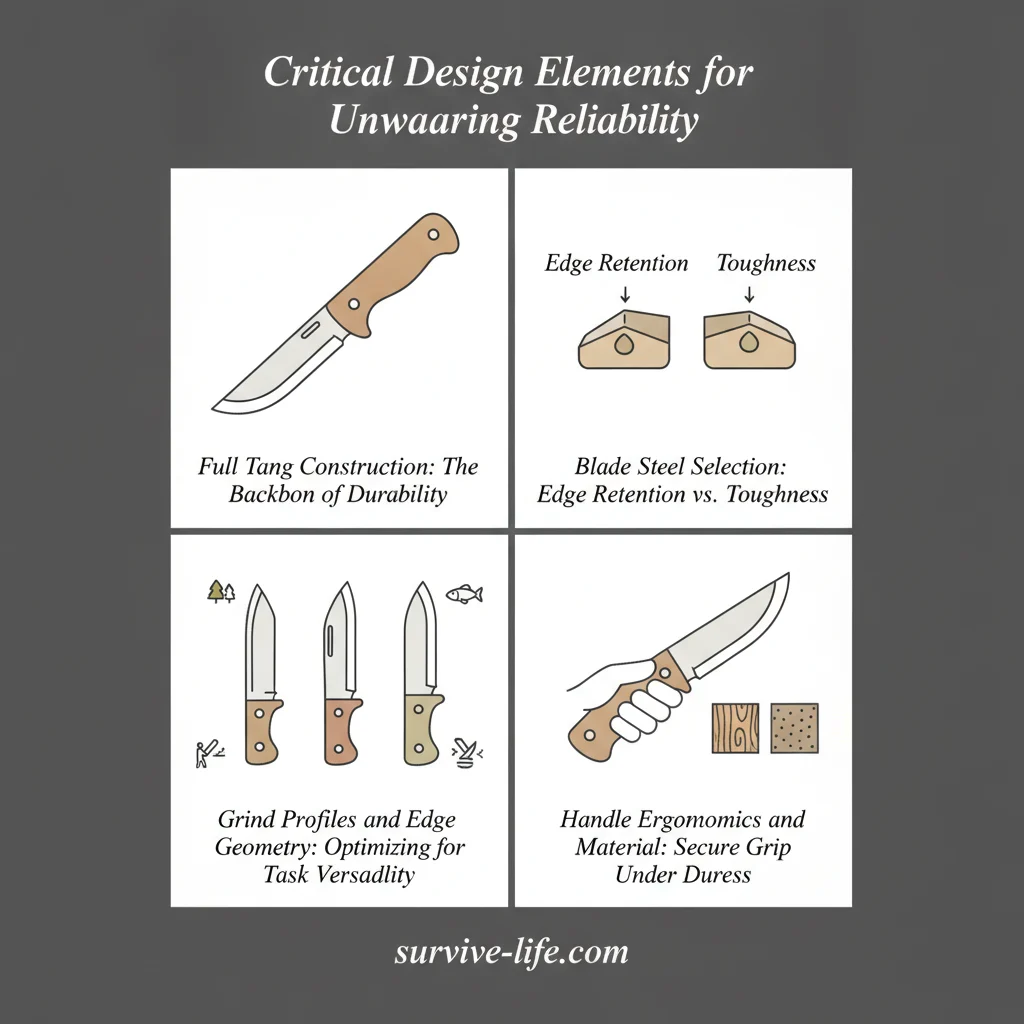
Full Tang Construction: The Backbone of Durability
A full tang design signifies that the blade steel extends in one continuous piece from the tip of the blade through the entire length of the handle. This construction method eliminates weak points inherent in partial tang or rat-tail tang designs, where the blade is often welded or epoxied to a smaller piece of steel within the handle. Consequently, a full tang knife offers superior strength and resistance to breakage, especially during high-impact tasks like batoning wood or prying.
The full tang ensures that forces applied to the handle are distributed evenly across the entire structure, preventing the blade from snapping off at the handle junction. This robust design is non-negotiable for any knife intended for survival applications, where structural integrity directly correlates with reliability. Furthermore, a full tang often allows for the handle scales to be removed and replaced in the field, or for cordage to be wrapped directly around the tang if the scales are damaged or lost.
Blade Steel Selection: Edge Retention vs. Toughness
The choice of blade steel dictates the knife’s performance characteristics, presenting a critical trade-off between edge retention, toughness, and corrosion resistance. High-carbon steels, such as 1095, are renowned for their exceptional toughness and ease of sharpening, making them ideal for heavy-duty tasks like chopping and batoning where impact resistance is crucial. However, they are susceptible to corrosion and require diligent maintenance.
Conversely, stainless steels like S30V or S35VN offer superior corrosion resistance and excellent edge retention due to their higher chromium content and fine grain structure. These steels maintain a sharp edge through prolonged use, reducing the frequency of field sharpening. Nevertheless, they can be more challenging to sharpen and may exhibit less toughness than carbon steels, potentially leading to chipping under extreme lateral stress. Premium tool steels like D2 or CPM-3V strike a balance, offering good edge retention and toughness, though often at a higher cost and with increased sharpening difficulty. Selecting the appropriate steel requires careful consideration of the primary intended use and environmental conditions.
Grind Profiles and Edge Geometry: Optimizing for Task Versatility
The grind profile refers to the cross-sectional shape of the blade, influencing its cutting performance and durability. A flat grind, where the blade tapers uniformly from the spine to the edge, offers a good balance of strength and slicing ability, making it highly versatile for various tasks. Scandi grinds, characterized by a long, single bevel that forms the edge, excel at wood processing and carving due to their robust edge and ease of sharpening in the field.
Convex grinds, which feature a rounded taper from the spine to the edge, provide exceptional strength and resistance to chipping, making them suitable for heavy chopping and batoning. However, they can be more challenging to sharpen without specialized equipment. The edge geometry, or the final angle of the cutting edge, must be robust enough to withstand abuse without rolling or chipping. A steeper angle provides durability, while a shallower angle enhances slicing efficiency. A well-designed survival knife balances these factors to ensure optimal performance across a spectrum of tasks.
Handle Ergonomics and Material: Secure Grip Under Duress
A knife’s handle is as critical as its blade, as it dictates control, comfort, and safety during use. Ergonomic design ensures a secure and comfortable grip, even when hands are wet, cold, or fatigued. Handle materials like Micarta, G10, or textured rubber offer excellent traction and durability, resisting impacts, moisture, and temperature extremes. These materials are also lightweight and do not become brittle in cold conditions.
The handle should fill the hand without creating hot spots or pressure points, preventing blisters during extended use. A prominent guard or finger choil enhances safety by preventing the hand from sliding onto the blade during forceful thrusts or pulls. Furthermore, a lanyard hole is a simple yet crucial feature, allowing the knife to be secured to the wrist or gear, preventing accidental loss in challenging terrain. A secure grip under duress is non-negotiable; a knife dropped is a knife lost.
Our 2026 Field Testing Methodology: Beyond Benchmarks

Our evaluation process for the 2026 survival knives extends far beyond laboratory benchmarks. We subject each blade to a series of real-world, high-stress scenarios designed to expose weaknesses and confirm strengths under conditions mirroring actual survival demands. This rigorous methodology ensures that our rankings reflect true field performance, not just theoretical specifications.
Batoning and Chopping: Processing Wood for Shelter and Fire
Batoning involves driving the knife blade through wood by striking the spine with a baton, typically a sturdy piece of wood. This test assesses the blade’s structural integrity, the strength of the full tang, and the durability of the edge under significant lateral and impact stress. We process various wood types, from seasoned hardwood to green softwood, to evaluate performance across different densities. A knife that fails this test by bending, breaking, or developing significant edge damage is immediately disqualified from top consideration.
Chopping tests evaluate the knife’s ability to process larger diameter wood for shelter construction or fire preparation. This involves assessing the blade’s weight distribution, edge geometry, and handle ergonomics during repetitive, forceful swings. A well-balanced knife with an appropriate grind will bite deep into the wood, removing material efficiently without excessive effort from the user. We look for blades that maintain their edge and do not induce hand fatigue over prolonged chopping sessions.
Fine Carving and Feathersticking: Precision for Survival Tasks
Survival often demands precision, not just brute force. Fine carving tests involve detailed wood shaping, such as crafting trap components, tent stakes, or tool handles. This evaluates the blade’s ability to hold a fine edge, the control offered by the handle, and the overall geometry for delicate work. A knife must be capable of making controlled, accurate cuts without tearing or slipping.
Feathersticking is a critical skill for fire starting, requiring the knife to shave thin, consistent curls of wood from a stick. This test directly assesses the blade’s sharpness, edge geometry, and the user’s ability to maintain precise control. A superior survival knife will produce abundant, fine feathersticks, indicating an excellent edge and a design conducive to detailed tasks. This capability is vital when tinder is scarce or damp.
Edge Retention and Resharpening: Sustaining Functionality
Edge retention measures how long a blade maintains its sharpness through various cutting tasks, including rope cutting, cardboard processing, and wood carving. We perform standardized cutting tests using consistent materials and pressure, noting the number of cuts before a noticeable degradation in sharpness occurs. This provides an objective measure of the steel’s ability to resist abrasion and deformation.
Equally important is the ease of resharpening in the field. A knife with excellent edge retention is less useful if it cannot be restored to a working edge with basic field sharpening tools. We evaluate how quickly and effectively each blade can be resharpened using common portable sharpeners, such as ceramic rods or diamond plates. A knife that quickly takes a keen edge back is invaluable in a prolonged survival situation. A dull blade is a liability; know how to restore its edge.
Prying and Abuse Tolerance: Testing Structural Integrity
While a knife is primarily a cutting tool, survival scenarios often necessitate using it for tasks beyond its intended design, such as prying open containers, digging, or even light demolition. Our abuse tolerance tests push the knives beyond their normal operational limits to identify potential failure points. This includes prying against resistant materials, twisting the blade, and dropping the knife from various heights onto hard surfaces.
These tests are not recommendations for how to use a knife but rather a measure of its inherent structural integrity and resilience. A knife that withstands significant abuse without catastrophic failure demonstrates superior build quality and reliability. We scrutinize the blade tip for breakage, the handle-to-tang connection for loosening, and the overall blade for bending or cracking. Only knives that exhibit exceptional resilience in these extreme tests earn our highest recommendations.
Top-Ranked Fixed Blades: The Uncompromising Workhorses
Fixed blade knives are the undisputed champions of survival, offering unparalleled strength and reliability due to their solid construction. They eliminate the mechanical failure points inherent in folding mechanisms, making them the primary choice for demanding wilderness operations. Our top selections for 2026 represent the pinnacle of fixed blade design and performance.
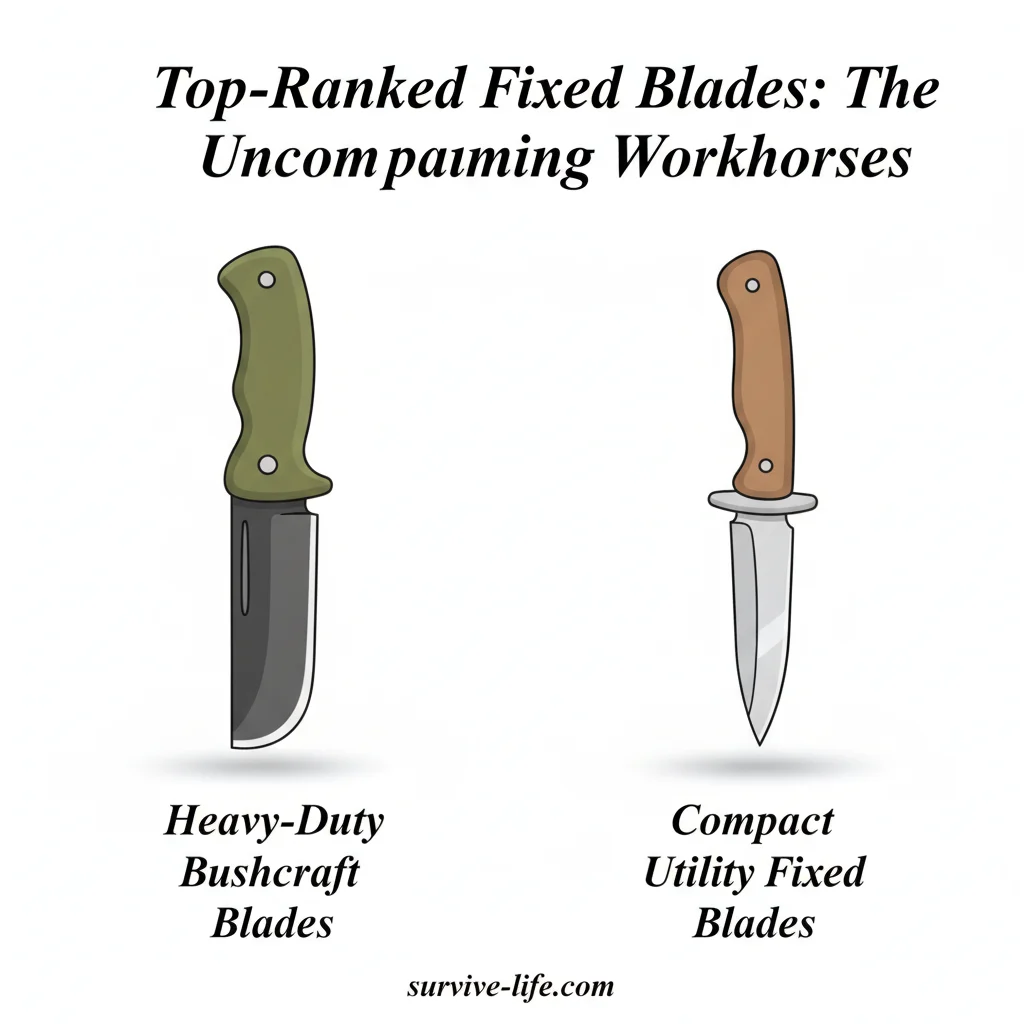
Heavy-Duty Bushcraft Blades: For Sustained Wilderness Operations
These blades are engineered for prolonged, rigorous use in the wilderness, excelling at tasks from shelter building to game processing. Their robust construction and versatile blade geometries make them indispensable tools for any serious outdoorsman or survivalist. They are designed to be the primary cutting tool in a survival kit, capable of handling the most demanding tasks without compromise.
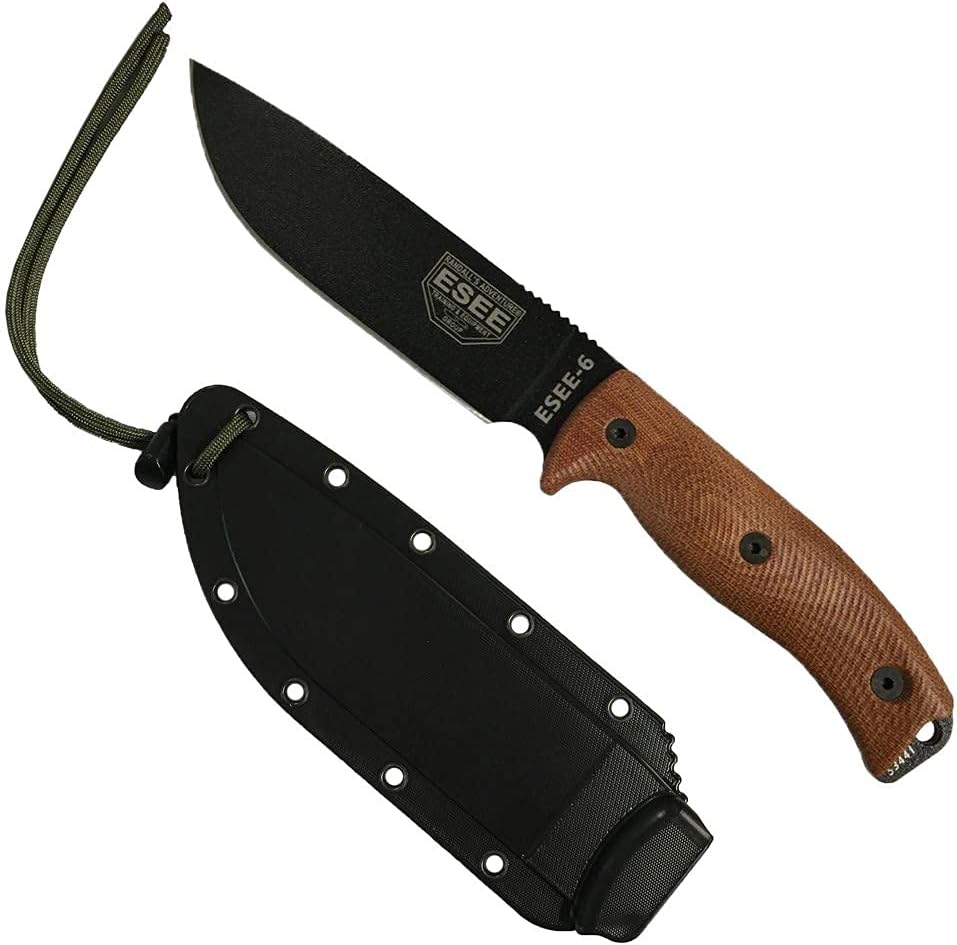
- ESEE-6: This knife is a legendary workhorse, known for its bomb-proof 1095 carbon steel construction and comfortable Micarta handle. Its full flat grind offers excellent slicing capabilities while maintaining sufficient strength for batoning. The ESEE-6 excels in overall utility, making it a versatile choice for a wide range of bushcraft and survival tasks. Its robust design and no-nonsense approach to performance have earned it a reputation for unwavering reliability in the field.
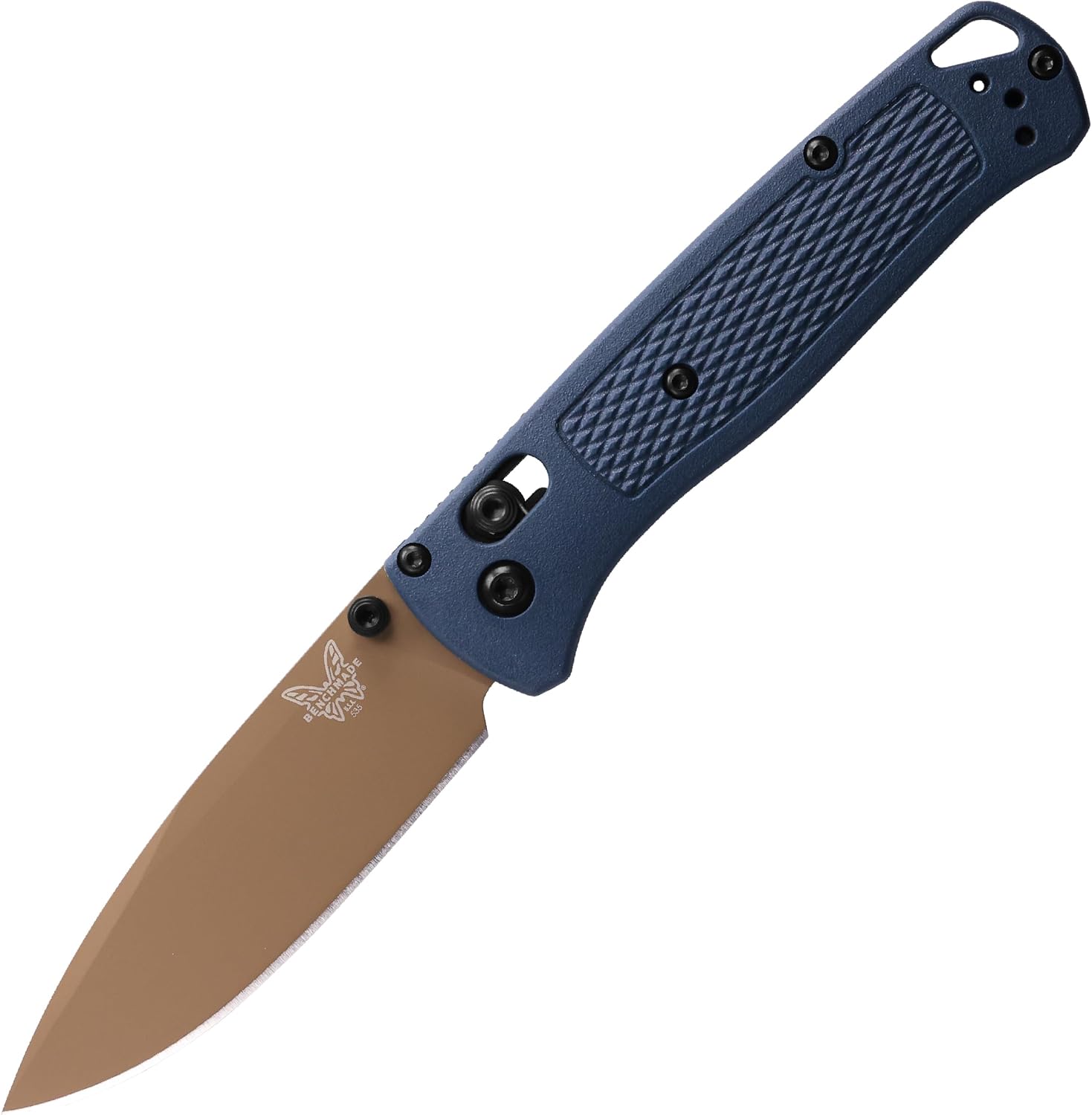
- Benchmade Bushcrafter: Featuring CPM-S30V stainless steel, the Benchmade Bushcrafter offers superior edge retention and corrosion resistance, making it ideal for extended trips in varied environments. Its Scandi-vex grind provides excellent wood processing capabilities while retaining a durable edge. The G10 handle scales offer a secure grip in all conditions, and its balanced design makes it comfortable for prolonged use. This knife is a premium option for those prioritizing edge performance and minimal maintenance.
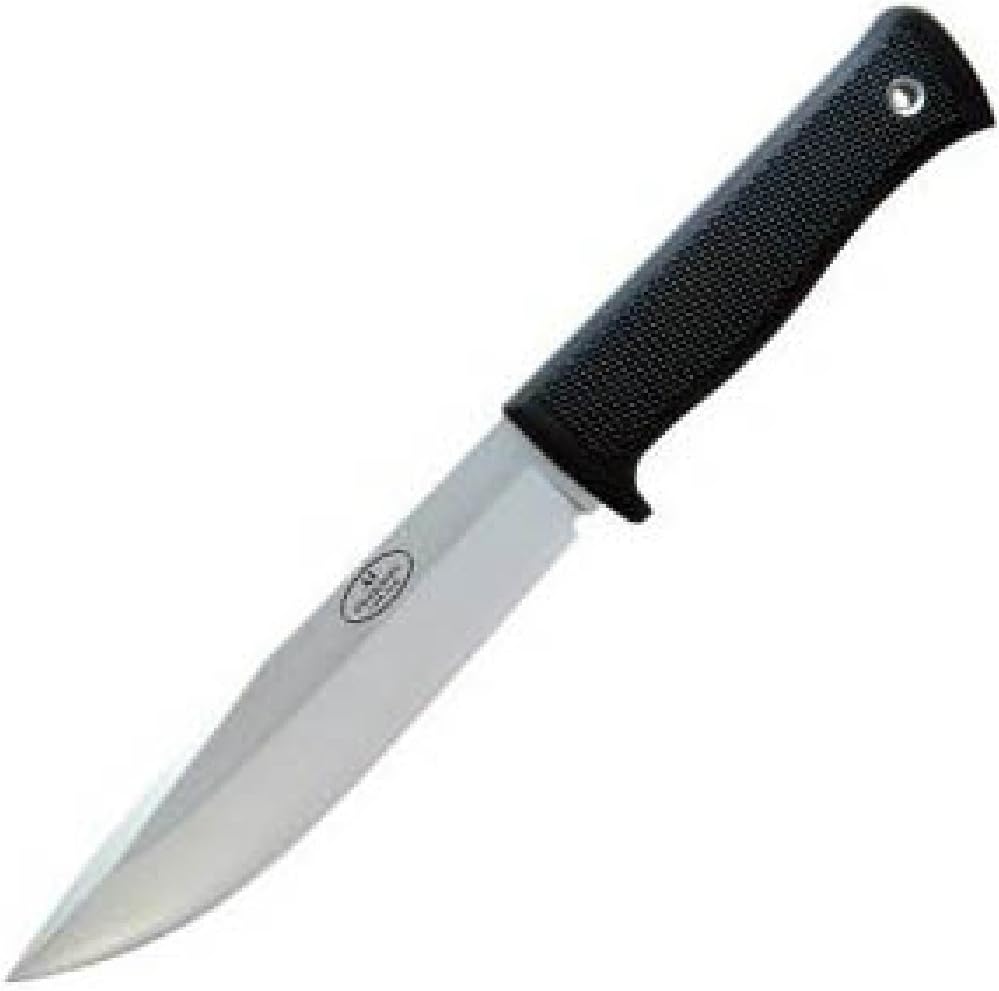
- Fallkniven A1: The Fallkniven A1 is a Swedish-made powerhouse, utilizing a laminated VG-10 steel blade that combines a hard cutting core with tougher outer layers for exceptional strength and edge retention. Its convex grind is incredibly robust, making it superb for chopping and batoning without fear of chipping. The Thermorun handle provides a secure, comfortable grip even when wet. The A1 is a proven performer in extreme conditions, favored by military personnel and serious survivalists for its uncompromising durability.
Compact Utility Fixed Blades: Agile and Always Ready
While heavy-duty blades are essential, compact fixed blades offer agility, lighter weight, and discreet carry options. They serve as excellent secondary knives or primary blades for those prioritizing portability and precision over brute force. These knives are often carried on a belt, neck, or integrated into a pack, providing immediate access when needed.
These smaller fixed blades are ideal for fine carving, food preparation, and detailed tasks where a larger blade might be cumbersome. Their reduced size does not compromise their full tang construction, ensuring they remain reliable tools despite their smaller footprint. Many users find a compact fixed blade to be an invaluable companion for everyday carry or as a backup to a larger primary knife. They bridge the gap between a robust folder and a full-sized bushcraft knife, offering a balance of capability and convenience. Always carry a fixed blade if the situation allows; folders have inherent failure points.
Essential Folding Knives: Backup and Everyday Preparedness
Folding knives, while not replacing the raw strength of a fixed blade, offer unparalleled convenience and discreet carry. They are indispensable for everyday preparedness and serve as critical backup tools in any survival kit. The key to a reliable folding knife lies in its lock mechanism and overall build quality, ensuring it performs when called upon.
Robust Lock Mechanisms: Non-Negotiable Security
The integrity of a folding knife hinges entirely on its lock mechanism. A weak or unreliable lock can lead to catastrophic failure, causing severe injury or rendering the knife useless in a critical moment. Therefore, selecting a folder with a proven, robust lock is paramount. Frame locks and liner locks, when properly executed with thick steel or titanium, offer substantial strength and are widely adopted across the industry. They engage a portion of the handle or a liner behind the blade’s tang, preventing it from closing.
Axis locks, found predominantly on Benchmade knives, utilize a spring-loaded bar that slides between the blade tang and the handle scales, providing ambidextrous operation and exceptional strength. Cold Steel’s Tri-Ad lock, a modified back lock, is renowned for its extreme resistance to impact and spine-whacks, making it one of the strongest folding knife locks available. These mechanisms are designed to withstand significant force, ensuring the blade remains securely open during demanding tasks. Always test the lock engagement and ensure there is no blade play before relying on a folding knife.
EDC Folders with Survival Capability: Discreet Readiness
Everyday Carry (EDC) folders bridge the gap between convenience and capability, offering discreet readiness for unexpected challenges. These knives are designed to be carried constantly, providing immediate access to a cutting tool for routine tasks and emergency situations alike. Their survival capability stems from their robust construction, reliable lock, and quality blade steel, allowing them to perform beyond simple utility.
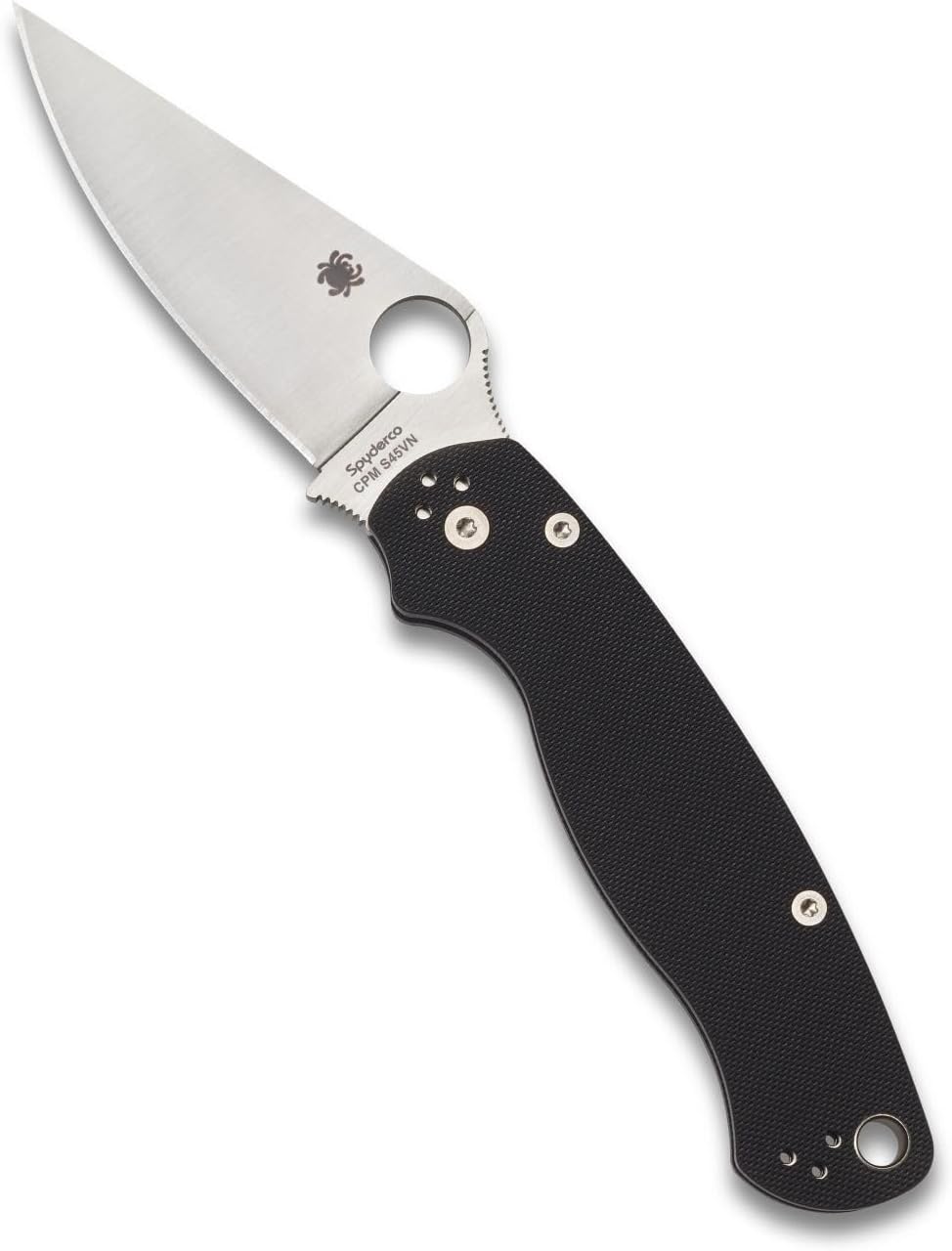
- Spyderco Paramilitary 2: This iconic folder features CPM-S45VN steel, offering excellent edge retention and corrosion resistance, paired with Spyderco’s Compression Lock, which is incredibly strong and easy to operate one-handed. Its full flat grind and leaf-shaped blade make it an exceptional slicer, while the G10 handle provides a secure grip. The Paramilitary 2 is a highly capable EDC knife that can handle many survival tasks due to its robust build and superior cutting performance.
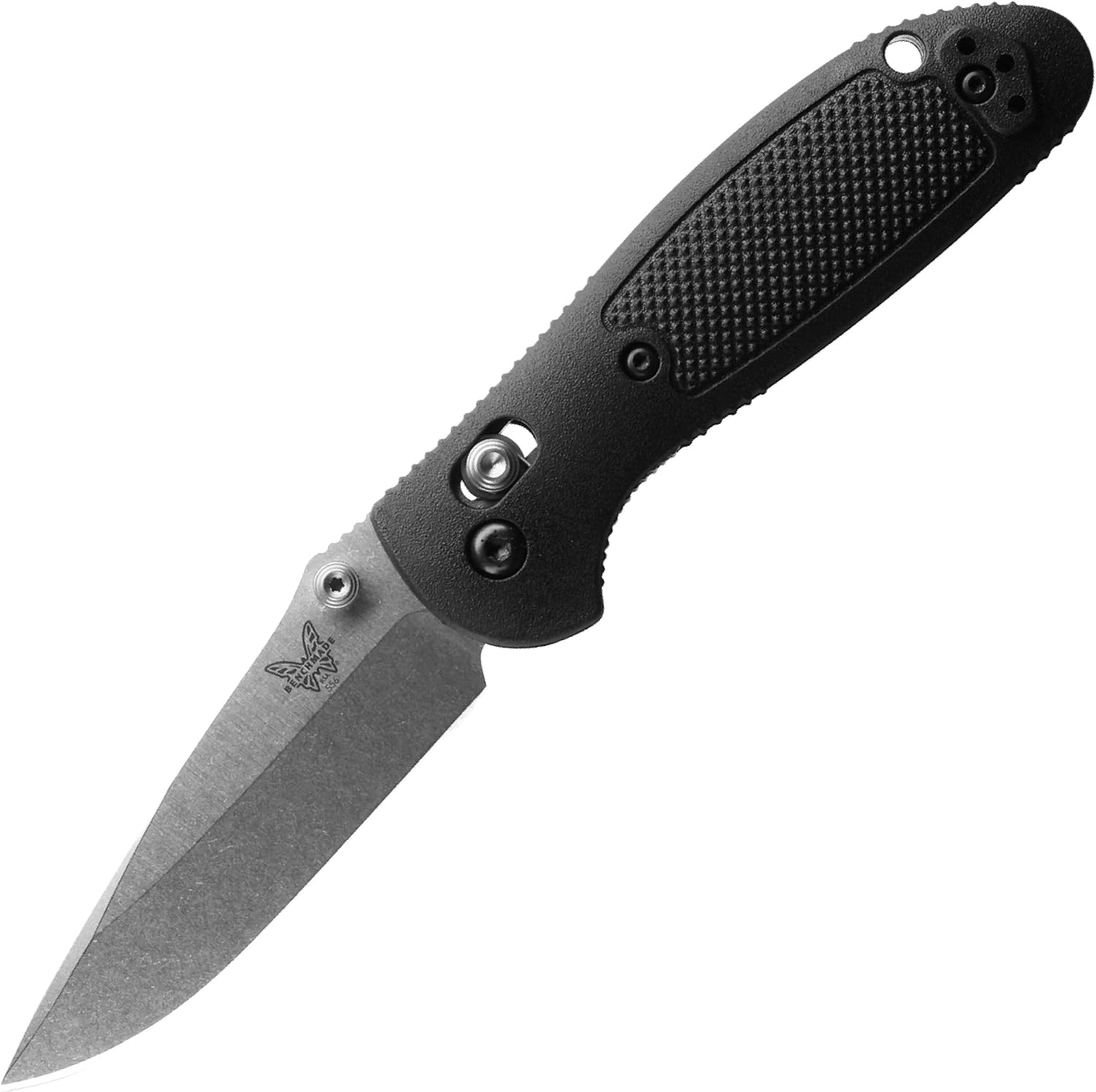
- Benchmade Griptilian: A versatile and popular choice, the Griptilian utilizes Benchmade’s proprietary AXIS lock, known for its ambidextrous operation and strength. Available in various blade steels, including CPM-S30V, it offers a balance of edge retention and toughness. The textured Noryl GTX handle provides a secure grip, and its lightweight design makes it comfortable for all-day carry. The Griptilian is a reliable workhorse, capable of performing a wide array of tasks in a survival context.
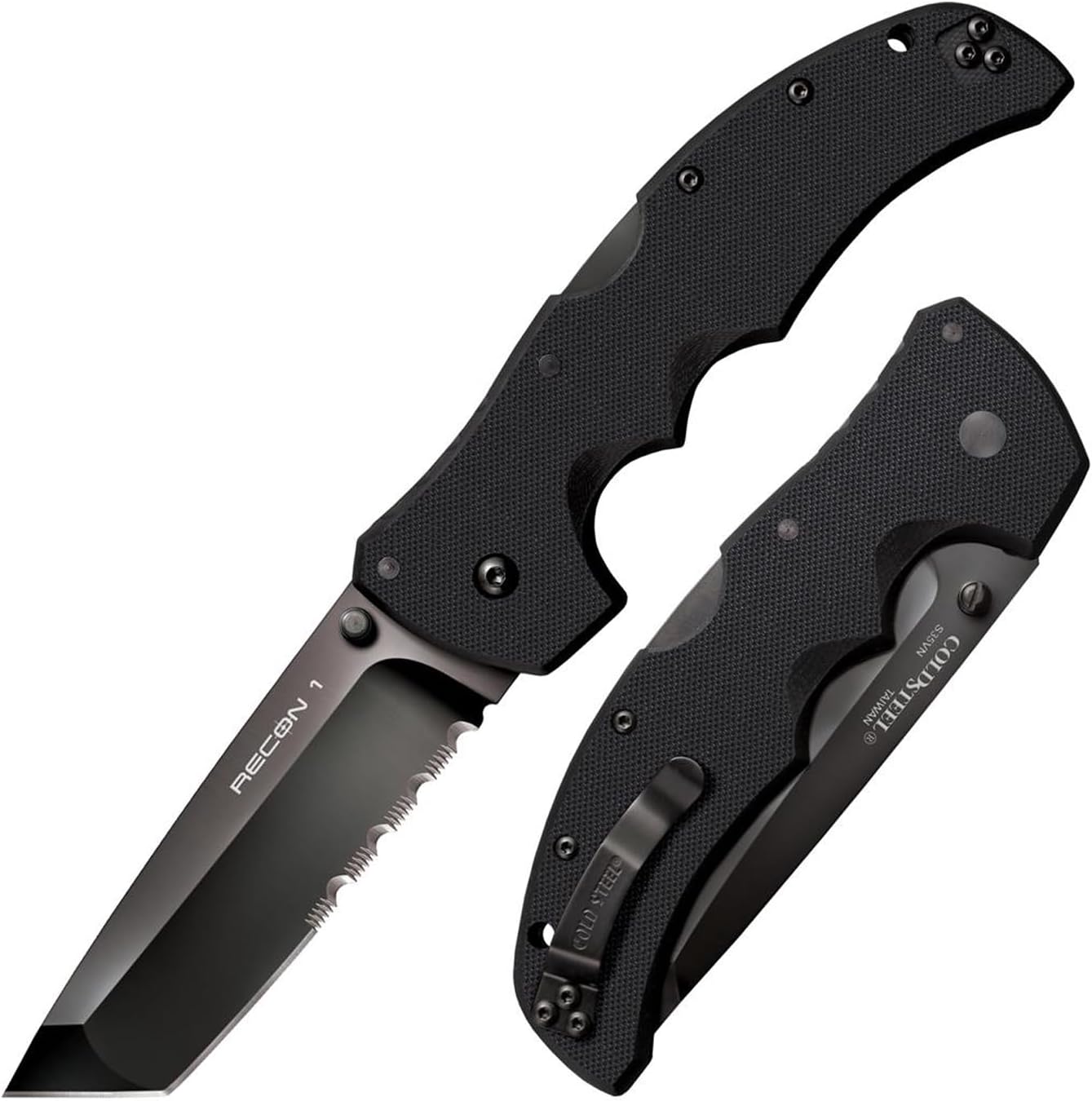
- Cold Steel Recon 1: Renowned for its extreme durability, the Recon 1 features Cold Steel’s Tri-Ad lock, which is arguably one of the strongest folding knife locks ever developed. Its S35VN steel blade offers excellent edge retention and toughness, while the G10 handle provides an aggressive, non-slip grip. The Recon 1 is built to withstand abuse, making it an ideal choice for those who demand maximum strength and reliability from their folding knife, even in the most demanding survival scenarios.
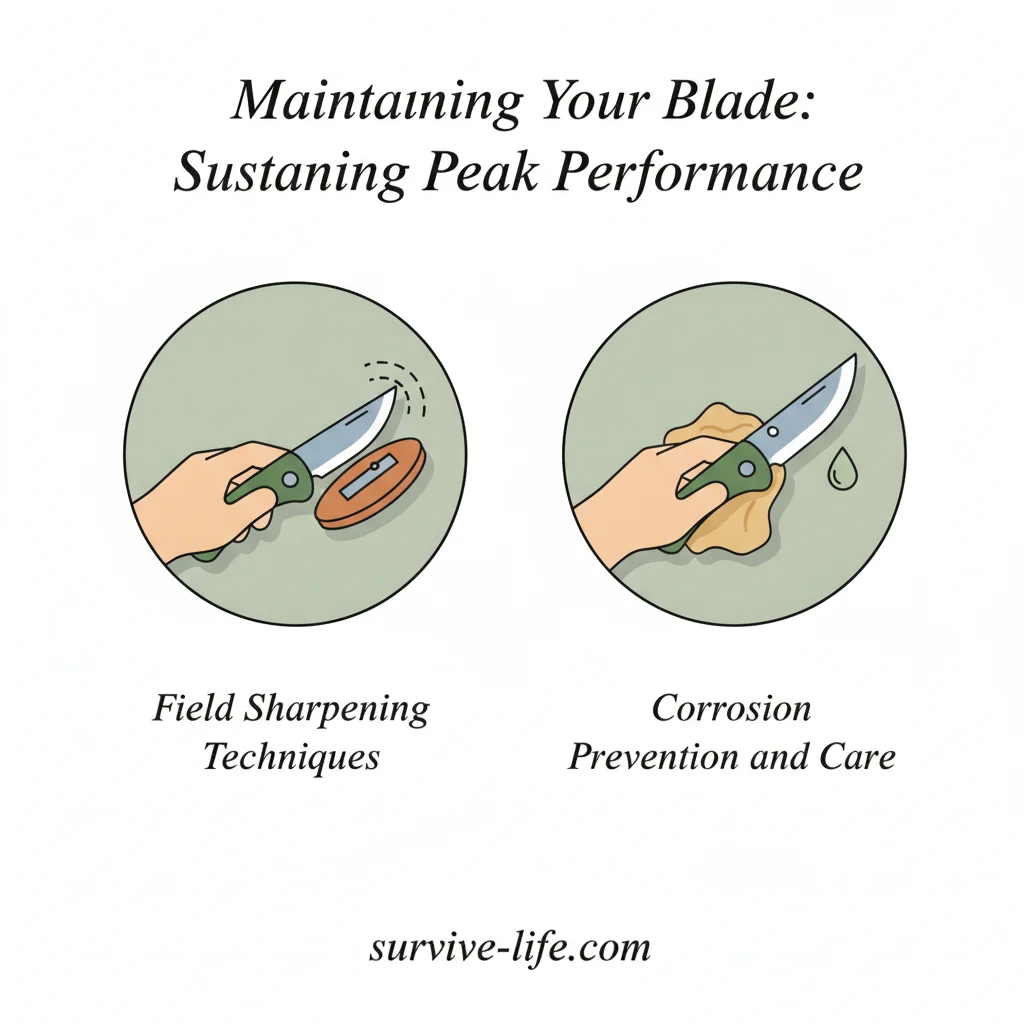
Maintaining Your Blade: Sustaining Peak Performance
A survival knife is only as effective as its condition. Proper maintenance is not merely about preserving an investment; it is about ensuring your lifeline remains sharp, functional, and ready when circumstances demand it. Neglecting your blade can render it useless in a critical moment, turning a valuable tool into a dangerous liability.
Field Sharpening Techniques: Restoring an Edge Under Pressure
Knowing how to sharpen your knife in the field is a fundamental survival skill. A dull blade requires more force, increasing the risk of slippage and injury, and significantly reduces efficiency. Common field sharpening tools include small diamond plates, ceramic rods, or natural sharpening stones. The goal is to restore a consistent, sharp edge without removing excessive material.
For most survival knives, an edge angle between 20 to 25 degrees per side (40 to 50 degrees inclusive) provides an optimal balance of sharpness and durability. Maintain a consistent angle throughout the sharpening process, using light, even pressure. Work one side of the blade until a burr forms along the opposite edge, then switch sides to remove the burr. This technique ensures a keen, functional edge. Practice these techniques regularly to build muscle memory, as fine motor skills degrade under stress. A sharp knife is a safe knife; a dull knife invites injury.
Pro-Tip: When using a field stone, apply a few drops of water or saliva to the stone’s surface. This helps float away metal particles, preventing the stone from loading up and maintaining its abrasive effectiveness.
Corrosion Prevention and Care: Protecting Your Investment
Corrosion is the silent enemy of any blade, particularly those made from high-carbon steels. After each use, especially in damp or humid environments, thoroughly clean your knife. Remove all debris, sap, and moisture from the blade and handle. Use a clean cloth and, if necessary, a mild soap and water solution, ensuring the knife is completely dry afterward.
Once clean and dry, apply a thin layer of protective oil to the blade. Mineral oil, gun oil, or specialized knife oils work effectively to create a barrier against moisture and oxygen, preventing rust formation. Pay particular attention to the edge and any areas where the finish may have worn off. For folding knives, periodically clean out the pivot mechanism and apply a drop of light oil to ensure smooth operation and prevent grit buildup. Regular, diligent care extends the life of your knife and ensures its readiness for any challenge.
Your Blade, Your Lifeline
The difference between a reliable survival knife and a marketing gimmick can be the difference between life and death. Choose wisely, train relentlessly, and maintain your tools. Your preparedness hinges on it. A knife is more than just steel and a handle; it is a symbol of self-reliance and a critical component of your ability to overcome adversity. Invest in quality, understand its capabilities, and master its use. Your survival may depend on it.