
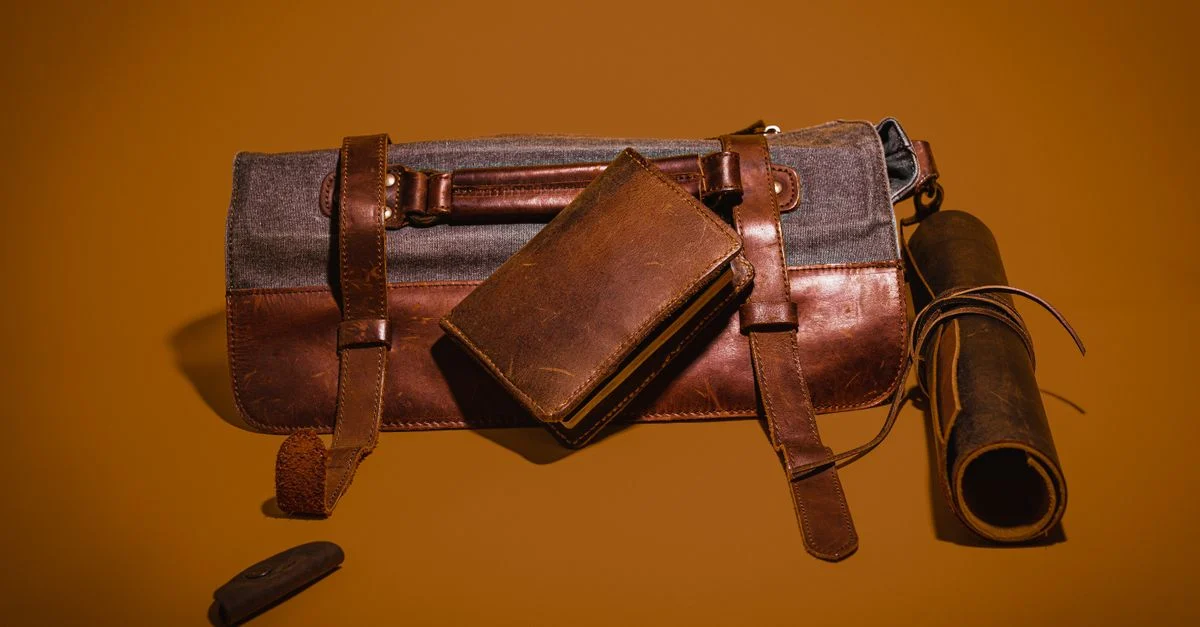
When disaster strikes, immediate self-reliance is not an option, it’s a mandate. Your bug-out bag is more than just a collection of gear; it is a meticulously assembled survival system designed to sustain you for a minimum of 72 hours during an emergency evacuation. This kit represents your immediate lifeline, providing the essentials to navigate unforeseen challenges, maintain health, and secure safety until professional assistance or a more stable environment can be reached. Every item must serve a purpose, be field-tested, and be readily accessible under duress.
The effectiveness of your bug-out bag hinges on its preparation and your proficiency with its contents. This comprehensive checklist outlines the critical components necessary for a robust 72-hour survival kit, emphasizing practical application and the unforgiving realities of an emergency scenario. Understanding the ‘why’ behind each item is as crucial as the item itself, transforming a simple inventory into a strategic survival asset.
Core Sustenance: Water and Calorie Management
Prioritize water purification and storage above almost all other considerations. Human survival without water is measured in days, not weeks. Carry a reliable water filter capable of removing bacteria and protozoa, such as a Sawyer Squeeze or Katadyn BeFree, along with chemical purification tablets like iodine or chlorine dioxide as a backup. These tablets offer a lightweight, compact solution for sterilizing water when a filter is compromised or unavailable. Aim for a minimum of one gallon of water per person per day, as recommended by the Federal Emergency Management Agency (FEMA) and the Centers for Disease Control and Prevention (CDC), either carried in durable containers or sourced and purified from natural bodies. Carrying a collapsible water bladder allows for efficient storage of purified water once a source is located. Understanding local water sources and potential contamination risks is a critical pre-planning step for any evacuation route.
Pack high-calorie, non-perishable food items that require no cooking or minimal preparation. MREs (Meals Ready-to-Eat), energy bars, and dehydrated meals are ideal for their caloric density, compact size, and extended shelf life. MREs typically offer a shelf life of 5-10 years when stored properly, while energy bars and dehydrated meals can last 3-5 years, according to manufacturers and the USDA. Rotate these items every 12-18 months to ensure freshness and palatability, preventing nutrient degradation and potential spoilage. Include comfort foods like hard candy or chocolate; these provide a psychological boost in stressful situations. Do not underestimate the importance of maintaining energy levels for physical exertion and mental clarity during an emergency. A lack of proper nutrition can quickly lead to fatigue, impaired decision-making, and increased vulnerability.
Field Note: When selecting food, consider items that do not induce excessive thirst. Salty snacks, while appealing, can accelerate dehydration, making your water supply deplete faster. Focus on balanced macronutrients to sustain energy without creating additional physiological burdens. Always store food in waterproof, airtight containers to protect against moisture and pests, which can compromise the integrity and safety of your rations.
Beyond the immediate 72-hour supply, consider a small, lightweight cooking system if your food choices require hot water. A compact stove with solid fuel tablets or a small canister stove can significantly improve morale and aid in the digestion of certain dehydrated meals. However, prioritize raw, ready-to-eat options for the initial critical period. The goal is efficient caloric intake with minimal effort and resource expenditure. Practice consuming your emergency rations periodically to ensure they agree with your digestive system and to familiarize yourself with their preparation, preventing surprises when conditions are less than ideal. This proactive approach ensures your core sustenance strategy is robust and reliable.
Essential Shelter and Environmental Protection
Securing immediate shelter from the elements is a primary survival imperative. Exposure to rain, wind, or cold can rapidly lead to hypothermia, even in seemingly mild conditions, compromising your ability to move, think, and react. A lightweight, durable tarp (e.g., 8×10 or 10×12 feet) or a robust emergency bivy sack provides critical protection. A tarp offers versatility, allowing for various configurations like an A-frame, lean-to, or plow point, depending on the terrain and weather. Understand how to deploy it quickly and effectively using paracord and natural anchors or trekking poles. An emergency bivy sack, often made from reflective, waterproof material, offers a more compact, personal shelter solution, trapping body heat efficiently. While not offering the same space as a tarp, its ease of deployment and superior thermal retention make it invaluable for solo travelers or situations demanding rapid concealment.
Layered clothing is non-negotiable for effective environmental protection. This system allows for dynamic adjustment to changing temperatures and activity levels, preventing both overheating and hypothermia. Pack moisture-wicking base layers (synthetic or merino wool) to draw sweat away from the skin, preventing chilling. Insulating mid-layers (fleece or lightweight down) trap warm air, providing crucial thermal regulation. A waterproof/breathable outer shell (e.g., Gore-Tex or similar membrane) protects against rain and wind while allowing perspiration to escape. Include a warm hat, gloves or mittens, and at least two extra pairs of moisture-wicking socks. Even in temperate climates, night temperatures can drop dangerously, and wet clothing significantly accelerates heat loss. The American Red Cross emphasizes the importance of layering to prevent hypothermia and frostbite in emergency situations.
Pro-Tip: When selecting shelter materials, prioritize ripstop nylon or silnylon for tarps due to their strength-to-weight ratio and inherent water resistance. For bivy sacks, look for materials with a high hydrostatic head rating to ensure waterproofness. Always pack your shelter and clothing in waterproof compression sacks to protect them from moisture and reduce bulk. A wet sleeping bag or set of clothes is not merely uncomfortable; it is a life-threatening liability in a survival scenario. Practice setting up your chosen shelter in varying conditions, including darkness and adverse weather, to build muscle memory and identify any deficiencies in your system or technique. This familiarity will be invaluable when time and conditions are critical. Consider a lightweight sleeping bag or quilt rated for the lowest expected temperatures in your region, especially if your bug-out plan involves sleeping outdoors for extended periods. The ability to maintain core body temperature is paramount for sustained survival and operational effectiveness.
Medical Preparedness and Personal Hygiene
A comprehensive first-aid kit is paramount; it must go beyond basic bandages. In a survival scenario, access to professional medical care may be hours or days away, making your kit your primary defense against injury and illness. Include trauma dressings (e.g., Israeli bandages), hemostatic agents (e.g., QuikClot gauze) for severe bleeding, and a tourniquet. Pack a variety of pain relievers (acetaminophen, ibuprofen), anti-diarrhea medication (loperamide), antihistamines for allergic reactions, and any personal prescription medications in sufficient quantities for at least 72 hours, preferably longer. Ensure all medications are within their expiration dates and stored in a waterproof container. The Centers for Disease Control and Prevention (CDC) advises maintaining a supply of essential medications and a well-stocked first-aid kit for emergency preparedness.
Maintain personal hygiene to prevent illness, which can quickly incapacitate you in austere conditions. Pack a small bar of unscented soap, alcohol-based hand sanitizer, a toothbrush, and a travel-sized tube of toothpaste. Toilet paper is crucial for both hygiene and morale; store it in a waterproof bag. Wet wipes can also serve multiple purposes for cleaning hands and body. These items are not luxuries; they are crucial for preventing the spread of bacteria and viruses, which thrive in environments with poor sanitation. A simple cut can become a life-threatening infection without proper cleaning and care. Regular hand washing, even with limited water, significantly reduces the risk of gastrointestinal illness, a common and debilitating threat in survival situations.
Field Rule: Regularly inspect all medications for expiration dates and replace them proactively; expired drugs can be ineffective or even harmful.
Beyond the basics, consider adding moleskin for blister prevention and treatment, antiseptic wipes, and a small pair of sterile gloves. A small mirror can assist with self-examination of wounds or for signaling. For women, include necessary feminine hygiene products. The psychological impact of maintaining a degree of personal cleanliness cannot be overstated; it contributes significantly to morale and a sense of control during chaotic events. While the shelf life of most over-the-counter medications can extend beyond their printed expiration date under ideal storage conditions, the U.S. Food and Drug Administration (FDA) generally recommends adhering to the printed dates for maximum efficacy and safety, especially in critical survival contexts. Therefore, consistent rotation and replacement are non-negotiable. Your medical preparedness is a direct reflection of your commitment to self-preservation and the well-being of those with you.
Navigation, Communication, and Illumination Systems
Master navigation with a physical map and compass, and carry a reliable GPS unit with spare batteries. Do not rely solely on electronic devices; battery failure is a critical vulnerability, and electromagnetic pulses or solar flares can render them useless. A topographical map of your region and potential evacuation routes, paired with a quality baseplate compass, provides a robust, EMP-proof navigation system. Practice land navigation regularly, understanding declination, triangulation, and terrain association. A handheld GPS unit offers precision and speed but should always be considered a secondary tool. Ensure it has pre-loaded maps and that you know how to operate it under stress. The ability to navigate effectively, day or night, in any weather, is a fundamental survival skill.
Establish communication and signaling capabilities to stay informed and alert others to your presence. A hand-crank or solar-powered NOAA weather radio keeps you informed of critical weather alerts, emergency broadcasts, and civil defense instructions. This device is indispensable for situational awareness. A loud, pealess whistle is essential for signaling over distances, far more effective than shouting, and requires less energy. Carry a small, durable signal mirror; its ability to reflect sunlight over many miles can attract attention from aircraft or distant search parties. Consider a small, two-way radio (FRS/GMRS) for short-range communication within your group, but understand its limitations in range and privacy.
GEAR SLOT: For illumination, prioritize a durable headlamp in the 300-500 lumen range, such as the Fenix HM65R-T, which offers hands-free operation and multiple light modes. Pair it with a compact, high-output handheld flashlight like the Streamlight ProTac 2L-X for focused beam and tactical applications. Carry spare CR123A or 18650 batteries, not AA/AAA, for superior cold-weather performance and energy density. CR123A batteries, for example, maintain their voltage output more effectively in sub-freezing temperatures compared to alkaline AA batteries, which can experience significant performance degradation, as noted by battery manufacturers like Energizer and Duracell in their technical specifications. This ensures reliable light when you need it most. Always keep a small, backup light source, such as a keychain micro-light, as a last resort. Illumination is not merely for seeing; it is for signaling, performing tasks, and maintaining morale in the dark. Your ability to navigate, communicate, and illuminate your path directly impacts your safety and chances of successful evacuation.
Multi-Purpose Tools and Critical Documentation
Equip yourself with versatile tools that can perform multiple functions, reducing the overall weight and bulk of your bag. A full-tang fixed-blade knife, such as the Morakniv Garberg, is indispensable for countless tasks: cutting cordage, preparing kindling, processing game, prying, and self-defense. Its robust construction ensures reliability under strenuous use. Supplement it with a robust multi-tool, like the Leatherman Wave+, which integrates pliers, saws, screwdrivers, and other implements into a compact form factor. These two tools form the backbone of your utility kit. Include a ferro rod and striker for reliable fire starting; a quality ferro rod can provide thousands of strikes, as demonstrated by manufacturers like Light My Fire, making it a long-lasting and weather-resistant ignition source. Carry at least 50 feet of 550 paracord; its seven inner strands can be separated for fishing line, sewing thread, or snare wire, while the outer sheath provides strong lashing and tying material. A small folding saw or wire saw can also be invaluable for processing firewood or clearing small obstacles.
Secure critical documents in a waterproof, sealed bag. These are often overlooked but are vital for identification, accessing resources, and re-establishing your life post-disaster. Keep waterproof copies of identification (driver’s license, passport), insurance policies (home, auto, health), emergency contacts (family, doctors, out-of-state contacts), and any medical records (allergies, prescriptions, vaccination history). Include copies of birth certificates, marriage licenses, and property deeds if space allows. Carry a small amount of cash in various denominations (small bills and coins); electronic payment systems may be non-functional during a widespread emergency. These documents are your proof of identity and ownership, essential for navigating bureaucratic hurdles and accessing aid. Without them, you could face significant delays and complications.
Field Note: Laminate critical paper documents or store them in heavy-duty, re-sealable waterproof bags to protect against moisture and wear. Consider digitizing copies and storing them on a rugged, encrypted USB drive, but always prioritize physical copies as technology can fail. The goal is redundancy and accessibility. Your tools provide the means to overcome physical obstacles, while your documents provide the means to navigate the administrative challenges that inevitably follow a disaster. Both are equally important for a comprehensive survival strategy. Regularly review and update your document copies, especially contact information and insurance policies, to ensure they remain current and relevant. This proactive maintenance ensures your administrative preparedness is as robust as your physical gear.
The Imperative of Regular Review and Training
Your bug-out bag is a dynamic system, not a static collection. Its effectiveness diminishes rapidly without consistent attention. Conduct a full inventory and inspection quarterly, or at least twice a year, to ensure every item is present, functional, and ready for immediate deployment. Rotate food and water supplies according to their expiration dates, checking for any signs of spoilage or damage. Inspect all batteries for expiration dates and replace them proactively, as even unused batteries can lose charge over time. Replace any used, damaged, or compromised items immediately. This meticulous maintenance prevents critical failures when you can least afford them. A bug-out bag is a living entity that requires constant care and adaptation to remain a reliable lifeline.
Critically, practice using your gear. Familiarity under stress is the ultimate advantage. Don’t wait for an emergency to learn how to deploy your shelter, purify water, or start a fire with a ferro rod. Conduct simulated drills, even in your backyard, to build muscle memory and identify weaknesses in your equipment or technique. Practice navigating with your map and compass, even if it’s just around your neighborhood. The confidence gained from practical application is invaluable. Tailor your bag’s contents to your specific environment and potential threats, ensuring it remains a truly effective lifeline. If you live in a cold climate, prioritize warmer clothing and cold-weather fire starters. If you are in a flood zone, focus on waterproof containers and flotation aids. Your bug-out bag is a personalized survival solution, not a one-size-fits-all kit. Continuous training and adaptation are the cornerstones of true preparedness.