
Hey there, friend! Let’s get real for a moment. Life, bless its heart, has a funny way of throwing curveballs, doesn’t it? Sometimes, those curveballs aren’t just tricky; they’re downright terrifying. We’re talking about those moments when things get really, truly tough – maybe you’re facing a huge personal challenge, a sudden emergency, or just a day that feels like it’s actively trying to trip you up. When you’re staring down a big problem, what do you think helps you most?
Most folks, when they think about “survival,” picture a backpack full of cool gear, a sharp knife, or maybe some impressive muscles. And sure, those things can be super helpful! But let me tell you a secret: the single most important tool you’ll ever have for getting through anything life throws at you isn’t something you buy or build. It’s already right there, between your ears: your brain. This is what we’re diving into today – what we call a “survival mindset.”
So, what exactly is this “Survival Mindset 101: Why Your Brain Is Your Best Tool” all about? Simply put, it’s learning to use your brain to its fullest potential when the chips are down. It’s about staying calm when chaos erupts, thinking clearly when fear tries to cloud your judgment, and finding solutions even when every path seems blocked. It’s about that stubborn refusal to give up, even when everything feels wrong, and seeing a way forward when others only see problems. It’s your inner superpower.
Think about it. Imagine someone lost deep in the woods. They don’t have a fancy GPS or a gourmet meal kit. If they panic, they might run in circles, make bad choices, and quickly get into more trouble. But if they tap into their survival mindset, they’ll use their brain to remember basic directions, like how the sun moves. They’ll focus on finding water, even a tiny trickle, and figure out how to build a simple shelter from what’s around them. That’s their brain working overtime, giving them a fighting chance. Or picture a student facing a really, really hard test. Instead of just throwing their hands up and giving up, they use their brain to break down the problem, remember what they studied, and try their absolute best, even if it’s just to get partial credit. That’s using your brain as your best tool, right there.
It makes you wonder, doesn’t it? How do some people manage to stay strong and keep pushing when others seem to fall apart? What makes one person keep trying, even after multiple failures, when another just quits? And here’s the big question: can you actually train your brain to be better at handling tough times?
The short answer, my friend, is a resounding “Yes!” A survival mindset isn’t some magical trait you’re born with. It’s simply training your brain to be your strongest, most reliable helper when life gets hard. And we’re going to explore how you can do just that.
What is a Survival Mindset?
At its core, a survival mindset is a powerful way of thinking that helps you navigate and overcome hard times. It’s not about having special gear, bulging muscles, or a secret stash of supplies (though those can certainly help!). No, it’s fundamentally about how your mind works under pressure. This mindset means you stay focused on what needs to be done, you actively look for answers instead of dwelling on the problem, and you absolutely do not let fear take over and paralyze you. It’s about being mentally ready for problems, big or small, and having an unwavering belief that you can face them head-on. This section is all about understanding that mental readiness is your primary asset, far more crucial than any physical tool.
When you cultivate this mindset, you start seeing a challenge not as an insurmountable wall, but as a fascinating puzzle just waiting to be solved. Your brain kicks into gear, helping you find small, manageable steps forward, even when the big picture looks incredibly scary or hopeless. This kind of mental strength is what keeps you going when your body feels utterly exhausted, or when your situation seems completely bleak. It’s that persistent, quiet inner voice that whispers, “Keep trying. You’ve got this.” It’s a clear, direct understanding that your mental approach is your most practical and powerful asset in any difficult situation.
Why Your Brain is Your Best Tool in Tough Times
Let’s be honest, your brain is absolutely amazing. It’s this incredible, complex organ that can think, plan, create, and solve problems in ways no other tool on Earth can. Seriously, think about it. When you’re in a tough spot, whether it’s a true wilderness emergency or just a really bad day at work, your brain is the ultimate command center. It helps you stay safe, figure out a way out, and make smart choices, even when you’re feeling scared, stressed, or completely overwhelmed. This section is all about highlighting the unique, unparalleled abilities of the human brain that make it far superior to any physical tool you could ever carry.
Your brain is a treasure trove of information and capabilities. It helps you remember all sorts of useful things you’ve learned, like how to tie a basic knot, which direction the sun rises, or even how to purify water. But it’s not just about memory; it also helps you figure out new things on the fly, like how to make a fire without matches using friction, or how to signal for help with limited resources. Crucially, your brain also plays a massive role in helping you control your feelings. It can help you take a deep breath, slow down your racing heart, and prevent panic from taking over. This incredible ability to think, adapt, learn, and manage your emotions is so much more powerful and versatile than any physical tool you might have in your backpack. We’re talking about memory recall, creative problem-solving, and vital emotional regulation – all working together to keep you safe and moving forward.
Building Your Mental Strength: Key Pillars
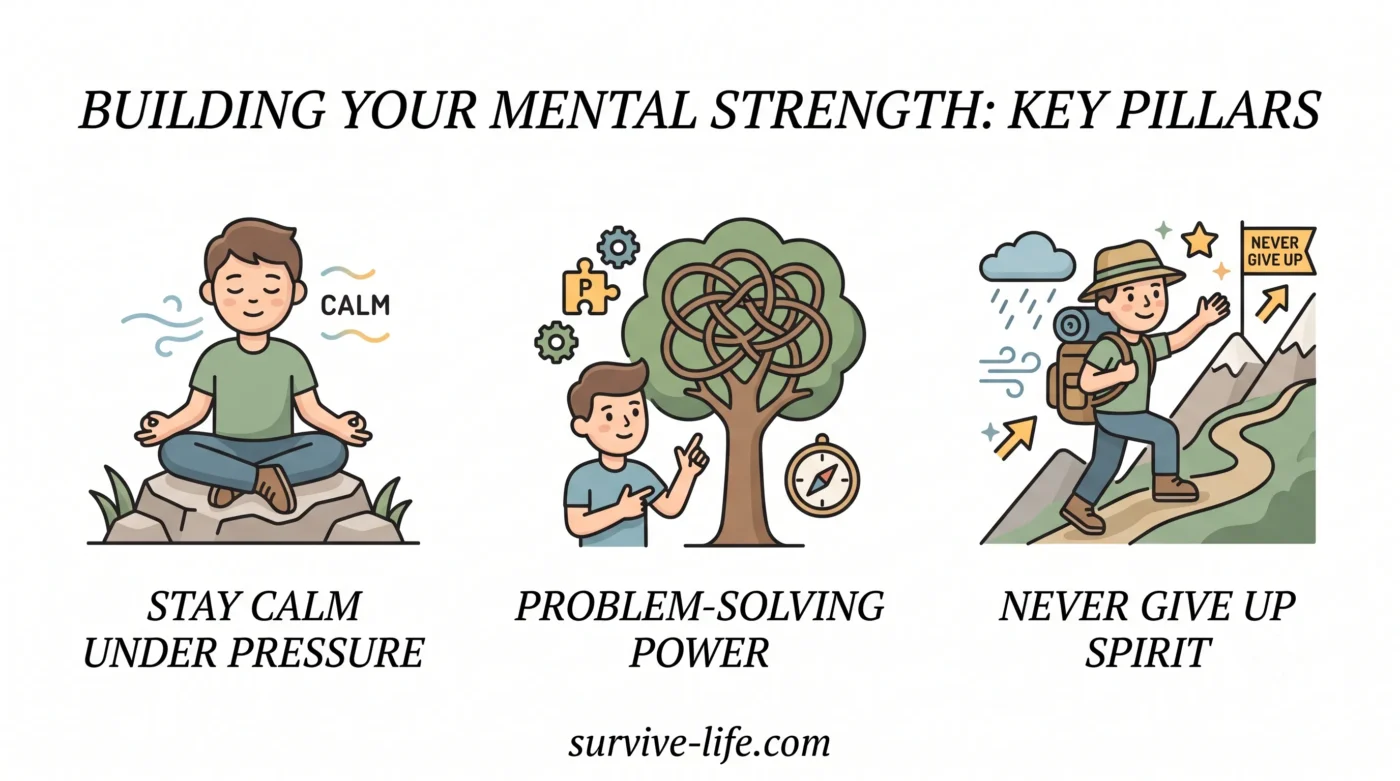
Stay Calm Under Pressure
When things go south, our bodies have a natural, primal urge to panic. It’s that “fight or flight” response kicking in, and it can make us feel completely out of control. But here’s the cool part: your brain can actually learn to override that initial panic and stay calm. And when you’re calm, you can think clearly, assess the situation, and make much better choices. We’re going to talk about some simple, everyday ways to train your mind to find that calm, like focusing on your breath or zeroing in on a small, manageable task.
Want a simple trick? Try practicing deep breaths for just a few minutes each day. Seriously, just a few slow, deep breaths. This small, consistent act can actually train your brain to slow down and regain control when stress suddenly hits. It’s like building a mental muscle. This helps you keep a firm grip on your thoughts instead of letting fear or anxiety run wild. It’s all about giving your amazing brain the space and opportunity it needs to work its magic, rather than letting it get hijacked by panic.
Problem-Solving Power
Facing a huge, overwhelming problem can feel like trying to climb a mountain without any gear. It just feels too big, too much. But guess what? Your brain is a master at breaking down those intimidating mountains into smaller, more manageable hills. It helps you find tiny, actionable steps to solve the problem, one by one. This approach makes even the most daunting challenge feel smaller, less scary, and much easier to handle. This part is all about showing you how to approach any challenge with a practical, step-by-step mindset.
Let’s say you’re lost. Instead of letting your mind spiral into “Oh no, I’m lost! This is the end!”, your trained brain can immediately shift gears. It can start asking practical questions: “Where can I find water?” or “Which way is north based on the sun?” or “What’s the safest direction to move?” Breaking a massive problem like “being lost” into these smaller, solvable questions helps you find answers, build a plan, and keep moving forward. This is your brain actively creating a roadmap, even when there isn’t one.
Never Give Up Spirit
Let’s be real, there are moments when you just want to throw in the towel. When you’re exhausted, discouraged, and everything feels hopeless, quitting can seem like the easiest option. But your brain, your incredible brain, can be your most powerful ally in these moments. It can remind you why you need to survive, why you need to keep fighting, and help you dig deep to find the strength to try just one more time. This section is all about tapping into that incredible mental resilience and sheer perseverance.
Even when your body is screaming for rest, when your muscles ache, and your spirit feels worn thin, your brain can be that inner coach. It can tell you to take just one more step, to try one more time to light that stubborn fire, or to push through for another hour. This inner push, this fierce refusal to quit, comes directly from your mind. It’s an incredibly powerful force that keeps you fighting, keeps you moving, and ultimately, keeps you alive. It’s the ultimate expression of your will to survive.
Real-Life Stories of Mindset Over Matter
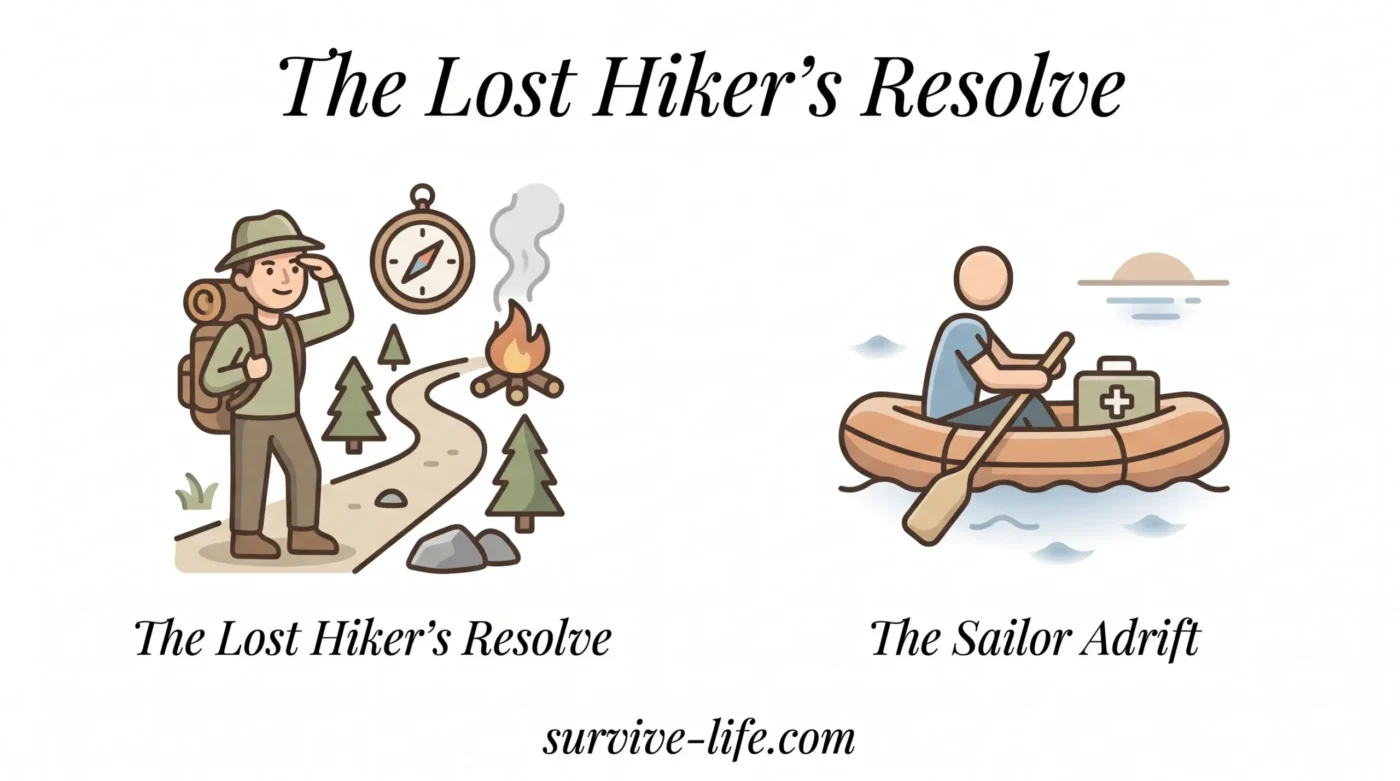
The Lost Hiker’s Resolve
Imagine a person who got terribly lost deep in a vast, unfamiliar forest. They had no food left, and their water was almost gone. It would be so easy to panic, to give up hope. But this person didn’t. Instead, they tapped into their survival mindset. They used their brain to calmly remember basic survival principles: how to find a water source, even a small one, and how to construct a simple shelter from natural materials. They kept hope alive, focusing on practical steps rather than succumbing to despair. This story beautifully illustrates how a calm, focused mind can lead directly to smart, life-saving actions.
Even though they were utterly exhausted, the hiker focused intently on finding a stream or any sign of water, knowing it was their top priority. They meticulously gathered leaves and branches to create a small, makeshift cover to protect themselves from the cold night and any rain. Their brain kept them constantly busy and focused on these vital survival tasks, preventing their mind from dwelling on fear or the overwhelming nature of their situation. It was their mental discipline that guided their physical efforts.
The Sailor Adrift
Now, picture a sailor, all alone in the vast, unforgiving ocean after their boat tragically sank. Days turned into weeks with no sign of rescue. This is a situation that would break most people. But this sailor, through sheer mental fortitude, used their brain to stay positive, to meticulously collect every drop of rainwater, and to constantly look for and signal passing ships, even distant specks on the horizon. Their incredible mental strength and unwavering determination were what kept them alive against impossible odds. This story truly highlights the power of perseverance and resourcefulness born from a strong mindset.
The sailor, despite their dire circumstances, ingeniously made a small flag from torn pieces of their clothes, waving it with every ounce of strength whenever a ship appeared, no matter how far away. They also kept their mind actively busy by thinking about their family, their loved ones, which gave them a powerful, tangible reason to keep fighting, to keep hoping. This mental focus, this connection to their purpose, was their absolute lifeline in the endless expanse of the ocean.
Simple Steps to Train Your Survival Brain
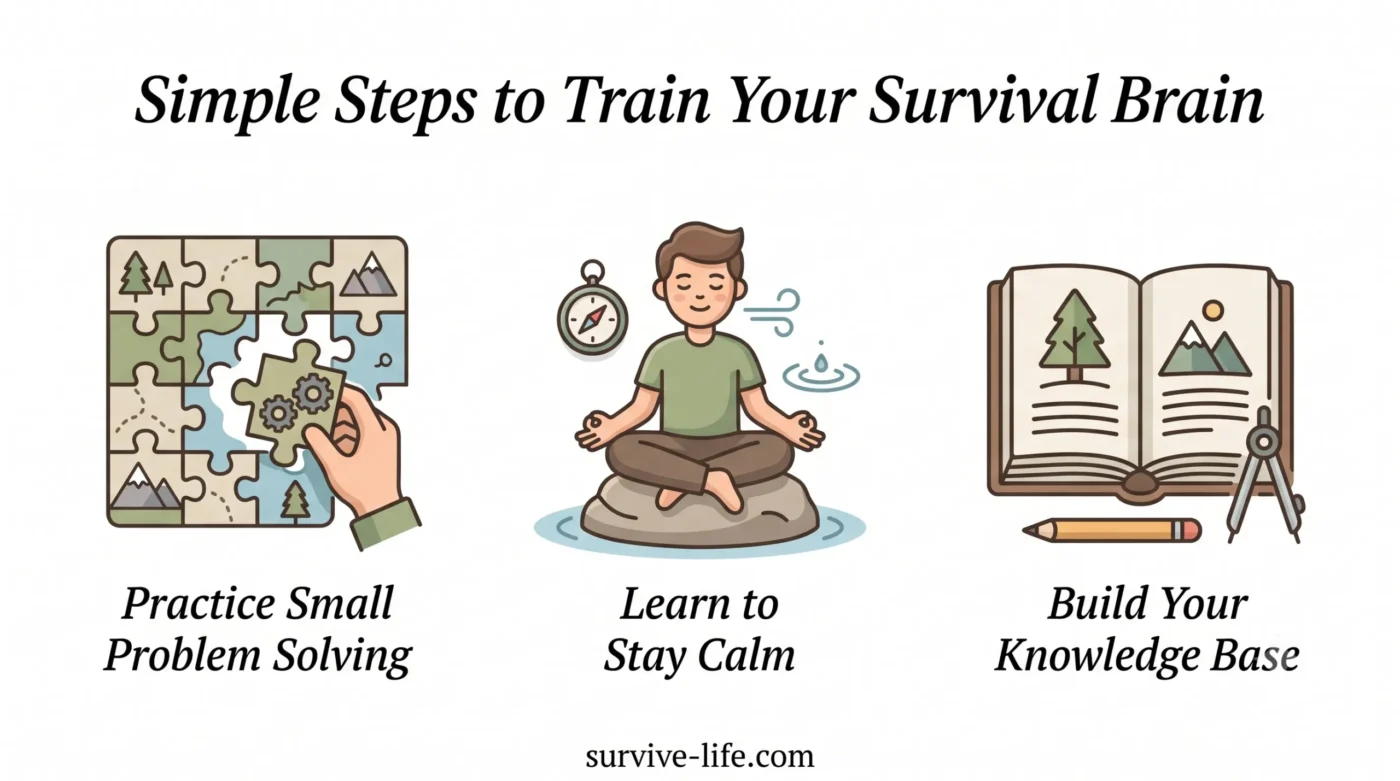
Practice Small Problem Solving
You don’t need a massive crisis to start training your brain for survival, my friend. You can begin right now, with the small problems you encounter every single day. If something breaks around the house, instead of immediately calling for help or buying a new one, try to fix it yourself first. If you find yourself a little lost in a new part of town, challenge yourself to find your way without immediately pulling out your map app. These small, everyday challenges are fantastic ways to get your brain used to finding creative solutions.
For instance, what happens when your phone battery dies unexpectedly, and you’re far from a charger? Instead of panicking about being disconnected, take a moment. Think: How can I still get things done? Can I use a public phone? Can I ask someone for directions? Can I remember a landmark? These seemingly minor challenges are actually building your problem-solving muscle, making your brain more agile and ready for bigger hurdles.
Learn to Stay Calm
Just like with problem-solving, you can practice staying calm in everyday situations. When small things inevitably go wrong – like spilling your morning coffee, missing your bus, or getting stuck in a long line – pay attention to your initial reaction. Instead of letting frustration or anger take over, consciously try to stay calm. Take a deep breath. Tell yourself, “It’s okay, this isn’t the end of the world.” This consistent practice trains your brain not to overreact when bigger, more serious problems eventually happen. It’s like doing mental drills for the real thing.
Think about it: if you’re stuck in heavy traffic, instead of getting angry and stressed, use that time differently. Put on some calming music, listen to a podcast, or simply practice mindfulness by observing your surroundings. This teaches your brain that not every inconvenient situation demands a huge emotional response. Cultivating this kind of calmness helps keep your thinking clear and rational, which is invaluable when stakes are high.
Build Your Knowledge Base
Here’s a simple truth: the more you know, the more your brain has to work with when you’re in a bind. So, make it a habit to actively build your knowledge base. Read books about basic survival skills, learn some fundamental first aid, or even watch videos on how to fix simple things around your home. This knowledge isn’t just trivia; it becomes a powerful set of tools stored right there in your mind, ready to be accessed and applied when you need it most.
Knowing how to purify water using common methods, or how to start a fire without matches, or even just basic knot-tying skills means your brain already has potential solutions stored away. You won’t have to invent them on the spot under pressure. This kind of practical knowledge gives your brain so much more power and confidence to act decisively when things are tough, turning potential panic into purposeful action.
Conclusion
So, there you have it, my friend. We’ve talked all about the incredible power of the survival mindset and why your brain truly is your very best tool. We’ve seen how thinking clearly, staying calm under pressure, and actively seeking solutions can help you get through almost anything life throws your way. Your brain’s amazing power to adapt, to learn, and to stay strong is absolutely incredible. It’s the most important asset you possess when facing hard times, far more valuable than any gadget or skill alone.
Now, here’s your call to action: start training your brain today. You don’t need to wait for a crisis. Practice staying calm when small things go wrong, challenge yourself to solve little problems, and keep building your knowledge. Trust your brain, nurture it, and make it strong. You already have this incredible power inside you. It’s time to unlock your inner survivor.