
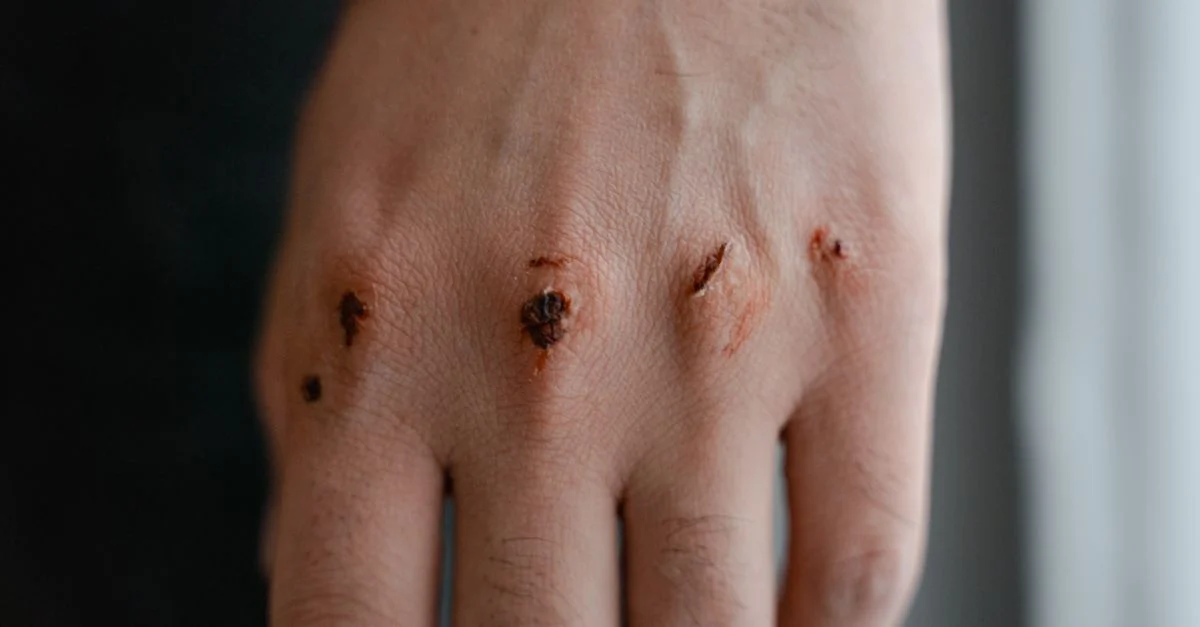
Hey there, friend. Imagine this: you’re way out in the middle of nowhere – camping, hiking, or just miles from the nearest town. Suddenly, someone gets a really nasty, deep cut. What do you do when a hospital is hours away? It’s a scary thought, but a real possibility, and knowing what to do can make all the difference. This isn’t just about a minor injury; it’s about potentially saving a life or preventing a small problem from becoming a huge one. Your quick actions can totally change how well a deep cut heals and if it gets infected.
Think about being on a remote fishing trip, and a sharp hook causes a deep gash. Or a tool slips while you’re alone on a distant farm. In these moments, you might need to use a clean cloth to press hard on the wound to stop bleeding, then rinse it with clean water, and use strips of medical tape – or even strong, clean tape – to hold the edges together until you can reach proper medical care. These are real-life actions you might take.
So, can you really treat a deep cut yourself? What if it keeps bleeding? How do you stop infection? Is it safe to wait? Yes, you can take important steps. Your main goals are to stop the bleeding, clean the wound well, and protect it from germs. These steps buy you time and help the body heal until you can get proper medical care, making a critical difference.
What is a Deep Cut and Why is it Serious?
Alright, let’s get real about what a deep cut actually is. It’s not just a surface scratch, friend. This kind of cut goes right through your top layer of skin and into the second layer, the dermis. Sometimes, it dives even deeper, reaching fat, muscles, tendons, or even bone. You can often tell it’s deep if you see yellow fatty tissue, red muscle, or white tendons inside. These cuts are serious because they can damage vital body parts. They can slice through blood vessels, causing a lot of bleeding very quickly. Significant blood loss can be dangerous, potentially leading to shock if not managed fast.
Beyond bleeding, deep cuts are also a wide-open invitation for germs to enter your body. Your skin is your main shield. When it’s broken deeply, germs from the environment or the object that caused the cut can get inside. If these germs multiply, they cause an infection. An infection makes the wound much worse – more pain, swelling, redness, and pus. It can spread, leading to serious illness like cellulitis or even sepsis, which is life-threatening. An infected wound also takes ages to heal and leaves a bigger scar. That’s why quick, correct first aid is so important, even when help is far away.
First Steps: Stop the Bleeding and Clean the Wound
Okay, you’ve got a deep cut. First things first: don’t panic. We’ve got this.
Stop the Bleeding First
Your absolute first job is to stop the blood. Grab a clean cloth, a piece of clothing, or even your hand if nothing else is clean. Press it firmly and directly on the cut. Keep pressing hard. Don’t lift the cloth to check too soon; that can mess up any clots trying to form. Keep pressure on for at least 10 to 15 minutes. If blood soaks through, just put another clean cloth on top and keep pressing. Don’t remove the first one. Raising the injured part above the heart can also help. Keep the person calm and still. Your steady pressure is the most important step here.
Clean the Wound Carefully
Once the bleeding slows, you must clean the cut. This is vital to prevent infection. Use clean water – bottled, boiled (cooled), or even clean stream water if you have no other choice. Mild soap is good too. Gently wash around the cut first, then let water run over the wound itself. Don’t scrub inside; you could cause more damage. Try to wash out any dirt or small bits. If you have tweezers cleaned with alcohol or fire, carefully pick out bigger pieces. The goal is to remove foreign material without causing more harm.
What to Use for Cleaning
If you have antiseptic wipes or solution (like povidone-iodine), use it after washing with water. Pour it gently over the wound. Big warning: do not use alcohol or hydrogen peroxide inside a deep cut. These can damage healthy tissue and slow healing. After cleaning, gently pat the area around the wound dry with a clean cloth. Leave the wound itself a little moist if you’re closing it soon. Proper cleaning is your best defense against infection, so do it thoroughly.
How to Close a Deep Cut Without Stitches
Alright, bleeding’s stopped, wound’s clean. Now, let’s get those edges back together.
Why Close the Cut?
Closing a deep cut helps it heal faster and drastically reduces infection risk. It also makes the scar smaller. Since you’re far from a doctor, stitches aren’t an option, but you can use other things to pull the skin edges together – this is called wound closure. Only do this after the wound is clean and bleeding has stopped. Closing the wound protects deeper tissues and helps your body start healing naturally.
Using Steri-Strips or Butterfly Bandages
If you have medical adhesive strips (Steri-Strips) or butterfly bandages, these are your best bet. Place them across the cut, gently pulling the skin edges together. Start in the middle and work outwards, placing strips about 1/8 to 1/4 inch apart. Leave small gaps for drainage. Make sure the skin around the cut is dry so they stick well. These strips act like temporary stitches, holding the wound edges close for healing.
What if You Have No Special Supplies?
In a true emergency with no medical supplies, you might use strong, clean tape like duct tape or electrical tape. Cut it into thin strips. Be super careful not to get the sticky part inside the wound. Place these strips across the wound, pulling the skin together gently but firmly. The goal is to hold the edges close, not to seal it completely. This is a temporary fix until you can get proper medical help. Remember, these aren’t as good as medical strips and carry more risk, so use them only when absolutely necessary.
Aftercare: Preventing Infection and Promoting Healing
You’ve done the hard part! Now for crucial aftercare – keeping that wound happy and healthy.
Dressing the Wound
Once the cut is closed, you must cover it. This protects it from dirt and germs. Use a sterile bandage if you have one. If not, use the cleanest cloth you can find, lint-free. Place a clean, non-stick pad (or clean cloth) directly over the wound, then secure it with tape or a wrap. The dressing should be firm enough to stay put, but not so tight it cuts off blood flow. Change the dressing at least once a day, or more if it gets wet or dirty. Each time, quickly check the wound for problems before applying a fresh one.
Watching for Infection
Infection is a big danger, so watch carefully. Look for redness spreading out from the wound, swelling, warmth, or pus (thick, yellow, green fluid). More pain, a fever, or feeling generally unwell are also signs. If you see any of these, the wound is likely infected. You’ll need to clean it more often and get to a doctor ASAP, as infections can quickly become serious.
Keeping it Clean and Dry
Keep the wound as clean and dry as possible. Avoid getting it wet, especially in the first few days; moisture encourages bacteria. If you must wash, try to keep the bandage dry with plastic. If it gets wet, change it right away. Rest the injured part as much as you can. Don’t do heavy work that might pull the wound open. Eating well (protein, vitamins) and drinking enough water also helps your body heal. Proper aftercare is crucial for a good recovery when medical help is delayed.
When to Seek Help (Even if Far Away)
Even after your best efforts, some deep cuts just need a doctor. You must seek help if bleeding doesn’t stop after 20 minutes of firm, continuous pressure. If the cut is very wide, long, or deep – where you can clearly see bone, tendons, or joints – it needs professional care. These injuries often require specialized repair to prevent permanent damage. Cuts on the face, hands, or over a joint also need a doctor to prevent lasting problems with movement or appearance.
You also need a doctor if infection signs worsen: spreading redness, increasing pain, fever, or chills. If the person can’t move the injured part, or feels numb below the cut, nerves or tendons might be damaged, requiring immediate assessment. If the cut was from a dirty object, an animal bite, or if tetanus shots are out of date, seek medical attention to prevent serious diseases. Don’t delay in these situations; waiting can lead to much more severe health problems or permanent disability.
Conclusion
So, there you have it. Treating a deep cut when no doctor is around means acting fast and smart. Your main steps are clear: stop the bleeding, clean the wound well to prevent infection, and close it carefully using available supplies. After these first steps, keep the wound clean, covered, and watch closely for any signs of infection.
These actions can make a huge difference in how well a deep cut heals and can keep you safe until you can get to a doctor. Always be ready with a basic first-aid kit, especially when you’re far from help. Your quick and correct actions can truly matter, potentially saving a limb or even a life. Stay safe out there, my friend.