
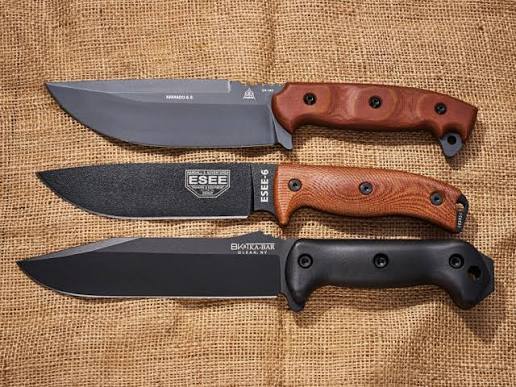
A survival knife is not merely a tool; it is a critical piece of equipment, often a lifeline in austere environments. A poor choice can compromise your ability to perform essential tasks, from shelter building to fire starting. Understanding the fundamental attributes of a truly effective survival knife is paramount for anyone serious about preparedness and self-reliance.
Blade Steel: The Heart of Performance
The material composition of a knife’s blade dictates its overall performance, durability, and maintenance requirements. Selecting the correct steel type is a foundational decision for any survival tool. Different steels offer distinct advantages and disadvantages, making an informed choice crucial for specific survival scenarios.
Carbon vs. Stainless: Understanding Trade-offs
High-carbon steels, such as 1095 or D2, are renowned for their exceptional toughness and ease of sharpening. They can withstand significant impact and hold a very keen edge, making them ideal for demanding tasks like batoning wood or carving. However, carbon steels are highly susceptible to corrosion and require diligent maintenance to prevent rust. Conversely, stainless steels, including S30V or 440C, offer superior corrosion resistance due to their higher chromium content. This makes them suitable for wet or humid environments where rust is a constant threat. Stainless steels generally hold an edge longer than carbon steels but can be more challenging to resharpen in the field. Furthermore, some stainless alloys may exhibit less toughness compared to their carbon counterparts, potentially leading to chipping under extreme stress.
Hardness and Edge Retention
Blade hardness is measured on the Rockwell HRC scale, indicating a steel’s resistance to deformation and its ability to hold an edge. A higher HRC generally means better edge retention but can also lead to increased brittleness, making the blade prone to chipping. Conversely, a lower HRC indicates greater toughness and resistance to breaking, but the edge will dull more quickly. A good survival knife typically falls within a specific HRC range for optimal balance, often between 55-60 HRC, a range widely accepted by knife manufacturers and experienced users for balancing edge retention and toughness. This range ensures the blade can withstand hard use without catastrophic failure while still maintaining a functional edge for extended periods. Consequently, understanding this balance is vital for selecting a reliable blade.
Corrosion Resistance and Maintenance
Proper blade care is non-negotiable, especially for carbon steels. These materials will rust rapidly if exposed to moisture and not properly cleaned and oiled. Rust can compromise the blade’s integrity and functionality, making it less effective for critical tasks. Stainless steels offer a significant advantage in this regard, requiring less frequent oiling and being more forgiving in wet conditions. Nevertheless, even stainless steel can corrode if neglected, particularly in saltwater environments. Therefore, regardless of the steel type, a survival knife demands regular cleaning, drying, and lubrication. Always clean and oil your blade after every use, especially when exposed to moisture or corrosive elements. This simple routine extends the life of your knife and ensures it remains ready for deployment.
Full Tang Construction: Uncompromising Strength
The structural integrity of a survival knife hinges almost entirely on its tang construction. A full tang design is the gold standard, providing unparalleled strength and reliability. This construction method ensures the knife can withstand the rigorous demands of survival tasks without failing at the most critical moment. Compromising on tang design is a direct compromise on the knife’s ability to perform under duress.
Why Full Tang is Non-Negotiable
A full tang design means the blade steel extends through the entire length and width of the handle. This creates a single, continuous piece of metal from the tip of the blade to the end of the handle. This construction method is the only acceptable standard for a survival knife because it ensures maximum strength and prevents handle separation under extreme stress. When chopping, batoning, or prying, significant force is transferred through the handle. A full tang design distributes this force evenly, preventing weak points that could lead to catastrophic failure. Partial tangs, such as rat-tail or stick tangs, are inherently weaker and prone to breaking where the tang narrows or meets the handle material. Consequently, a full tang knife offers superior durability and reliability, making it a true lifeline in austere environments.
Handle Attachment Methods
Even with a full tang, the method of attaching the handle scales is crucial for long-term durability. Secure attachment methods include robust rivets, bolts, or industrial-grade epoxy. These components permanently affix the handle scales to the tang, preventing loosening, rattling, or complete separation during heavy use. Rivets, often made of brass or stainless steel, are pressed through holes in the tang and scales, creating a strong mechanical bond. Bolts, sometimes referred to as Chicago screws, offer the advantage of being removable for maintenance or scale replacement, though they must be checked periodically for tightness. Industrial-grade epoxy provides an incredibly strong adhesive bond, often used in conjunction with mechanical fasteners for maximum security. Ensure handle scales are secured with at least two robust fasteners in addition to strong adhesive for maximum reliability. This multi-point attachment prevents any movement or weakness in the handle system.
Blade Geometry and Grind: Task-Specific Efficiency
The shape and grind of a knife’s blade significantly influence its performance across various survival tasks. Different geometries excel in specific applications, from fine carving to heavy chopping. Understanding these distinctions allows for the selection of a knife optimized for anticipated challenges. A well-chosen blade geometry enhances efficiency and reduces effort during critical operations.
Blade Profile for Versatility
Common blade shapes offer distinct advantages. A drop point profile features a convex curve from the spine to the tip, creating a strong, controllable point. This design is highly versatile, excelling in piercing, slicing, and general utility tasks, making it a popular choice for survival knives. A clip point has a concave or straight cut-out on the spine near the tip, resulting in a finer, sharper point for precision work and easier penetration. However, this finer tip can be more fragile. A spear point is symmetrical, with both edges tapering to a central point, offering excellent piercing capability and strength, often seen in dagger-style knives. For general survival, the drop point often provides the best balance of strength and utility. Furthermore, a slight belly on the blade enhances slicing performance.
Grind Types for Performance
The grind refers to the cross-sectional shape of the blade. A Scandi grind features a single, large bevel that extends from the spine to the edge. This grind is exceptionally strong and excels at wood processing, making it a favorite for bushcraft tasks like carving and feather sticking. However, it can be less effective for slicing thin materials. A flat grind tapers uniformly from the spine to the edge, offering excellent slicing performance and a strong edge. This versatile grind is suitable for a wide range of tasks. A convex grind has a rounded, apple-seed shape from the spine to the edge, providing superior durability and resistance to chipping, particularly useful for chopping and heavy batoning. This grind is also highly effective at splitting wood. Each grind type impacts how the knife interacts with materials, influencing its primary functions. For a primary survival knife, a flat or convex grind often provides the most versatile performance across diverse tasks.
Blade Thickness and Length Considerations
Blade thickness directly correlates with strength and durability. A thicker blade, typically 0.187 to 0.25 inches (4.7 to 6.3 mm), offers greater resistance to bending and breaking, making it ideal for demanding tasks such as batoning wood or light prying. However, a thicker blade can be less efficient for finer, more delicate work like food preparation or precise carving. Conversely, a thinner blade excels at fine tasks but lacks the robustness for heavy-duty applications. Optimal blade length for a survival knife generally ranges from 4 to 7 inches (10 to 18 cm). This length provides sufficient leverage for chopping and batoning while remaining maneuverable for detailed work. A blade shorter than 4 inches limits utility, while one longer than 7 inches can become cumbersome and difficult to control. Therefore, balancing these factors is crucial for selecting a knife that meets diverse survival needs.
Ergonomics and Handle Material: Secure Control Under Duress
The handle of a survival knife is just as critical as the blade itself. A poorly designed or constructed handle can lead to fatigue, blisters, and dangerous slips, especially when working under adverse conditions. Optimal ergonomics ensure secure control, even when hands are wet, cold, or gloved. The handle must be an extension of the user’s hand, providing confidence and preventing accidents during prolonged use.
Grip Security in All Conditions
A survival knife handle must provide a secure, non-slip grip regardless of environmental factors. Texturing, such as aggressive knurling or a checkered pattern, significantly enhances grip, preventing the hand from sliding forward onto the blade or backward during forceful strokes. Finger choils, which are contoured indentations for the fingers, improve control and reduce the risk of accidental slips. The overall handle shape should fill the hand comfortably, distributing pressure evenly to prevent hot spots and fatigue during extended use. Furthermore, a slight swell in the palm area often improves retention. Prioritize a handle with aggressive texturing and well-defined finger choils to ensure a secure grip in wet or cold conditions. This design feature is paramount for safety and efficiency.
Material Durability and Comfort
The choice of handle material impacts both durability and comfort. Materials like Micarta and G10 are composite laminates known for their exceptional resilience, weather resistance, and stability. They offer excellent grip, even when wet, and do not swell or shrink with temperature changes. Rubberized polymers, such as Kraton or Santoprene, provide a softer, more forgiving grip that absorbs shock and reduces hand fatigue. These materials are also highly resistant to chemicals and extreme temperatures. Avoid hollow or flimsy handle designs, as they compromise the knife’s structural integrity and can fail under stress. A solid, robust handle material ensures the knife can withstand repeated impacts and harsh environmental exposure. Consequently, investing in a knife with a high-quality handle material is essential for long-term reliability.
Pommel Design and Utility
A robust pommel, the butt end of the knife handle, adds crucial versatility. A well-designed pommel can serve as an effective striking tool for various tasks. It can be used to break glass in an emergency, crush nuts or seeds for foraging, or perform light hammering tasks, such as driving tent stakes. Some pommels feature a pointed or hardened tip specifically designed for these purposes. The pommel should be an integral part of the full tang, ensuring it can withstand significant impact without breaking or detaching. This additional functionality transforms the knife into a multi-purpose tool, enhancing its value in a survival situation. Therefore, consider a knife with a strong, functional pommel as an added benefit.
Sheath System: Secure Carry and Rapid Deployment
A survival knife is only as useful as its accessibility and security. The sheath system is a critical component, ensuring the knife is protected, securely carried, and available for rapid deployment when needed. A poorly designed sheath can lead to loss, injury, or delayed access, all of which are unacceptable in a survival scenario. The sheath must be as robust and reliable as the knife it carries.
Material Durability and Retention
A high-quality sheath is constructed from durable materials such as Kydex, heavy-duty leather, or reinforced nylon. Kydex, a thermoplastic, is molded precisely to the knife, providing excellent retention and protection against the elements. It is rigid, waterproof, and highly resistant to abrasion. Heavy-duty leather offers a classic, durable option that molds to the knife over time, providing secure retention. However, leather requires more maintenance and can absorb moisture. Reinforced nylon sheaths, often with plastic inserts, provide a lightweight and versatile option. Regardless of material, the sheath must securely retain the knife during strenuous activity, preventing accidental loss. It must also allow for quick, one-handed deployment, as time is often critical in an emergency. Always test the sheath’s retention by inverting it and shaking it vigorously to ensure the knife remains secure.
Mounting Options and Versatility
Versatile mounting options ensure the knife can be carried comfortably and accessibly in various configurations. MOLLE compatibility allows the sheath to be attached to backpacks, vests, or other gear with webbing systems. Sturdy belt loops accommodate different belt widths and provide a traditional, secure carry method. Options for horizontal or vertical carry, as well as scout carry (horizontal on the back), allow the user to customize placement based on activity and preference. Some sheaths also include leg straps for additional stability during dynamic movement. The ability to adapt the carry position ensures the knife is always within reach and does not impede movement or other gear. Consequently, a sheath with multiple attachment points and carry options enhances its practical utility.
Drainage and Maintenance Features
A good sheath incorporates features that promote hygiene and prevent blade corrosion. Drainage holes at the bottom of the sheath are essential to prevent water accumulation, which can lead to rust, especially with carbon steel blades. These holes allow water, dirt, and debris to exit, keeping the blade clean and dry. Furthermore, a sheath that can be easily disassembled or cleaned is beneficial for long-term maintenance. Some Kydex sheaths can be separated for thorough cleaning, while leather sheaths benefit from periodic conditioning. Proper sheath maintenance extends the life of both the sheath and the knife. Therefore, consider a sheath designed for easy cleaning and effective drainage to maintain your knife’s readiness.
Beyond the Blade: Integrated Survival Features
While the primary function of a survival knife is cutting, many modern designs integrate additional features that enhance overall utility in a wilderness or emergency setting. These integrated tools can significantly expand the knife’s capabilities, reducing the need for separate items and streamlining your essential gear. Thoughtful integration of these features can make a substantial difference in a survival situation.
Ferro Rod Striker Compatibility
Many survival knives feature a 90-degree spine, or a sharp, squared-off edge on the back of the blade, specifically designed to strike a ferro rod. This allows for efficient fire starting without dulling the main cutting edge of the knife. Using the spine preserves the primary edge for critical tasks like carving or food preparation. This feature is invaluable for generating sparks, especially when other fire-starting methods are unavailable or compromised by wet conditions. A well-executed 90-degree spine provides a reliable and consistent spark, making fire ignition much easier. Always ensure the spine is truly squared and sharp enough to scrape magnesium or strike a ferro rod effectively.
Lanyard Holes and Retention
A well-placed lanyard hole, typically located at the pommel end of the handle, allows for secure tethering. Attaching a lanyard prevents accidental loss of the knife, especially when working over water, at heights, or in dense vegetation. A lanyard can also be used to extend reach, improve grip security, or even create a makeshift spear by lashing the knife to a stick. The hole should be robust and large enough to accommodate various cordage types. This simple feature significantly enhances the knife’s safety and versatility, ensuring it remains with you when it matters most. Consequently, a strong lanyard hole is a small but critical detail for any survival knife.
Glass Breakers or Pry Points
Some survival knives integrate a hardened tip or pommel specifically designed for emergency glass breaking or light prying. A dedicated glass breaker, often a pointed carbide insert in the pommel, can be crucial for escaping a vehicle or accessing a structure in an emergency. A robust pry point, typically a reinforced section of the blade or pommel, allows for light prying tasks without damaging the primary cutting edge. While a knife should not be used as a primary pry bar, these features offer a last-resort option for specific scenarios. These additions enhance the knife’s utility in urban survival or disaster preparedness contexts, providing capabilities beyond basic cutting. Therefore, consider these features if your anticipated survival scenarios include such needs.
Selecting Your Lifeline: Recommended Categories
Choosing the right survival knife involves matching its capabilities to your specific needs and anticipated environments. Different categories of fixed blades excel in various roles, from heavy-duty wilderness tasks to compact utility. Understanding these distinctions helps in making an informed decision for your primary or secondary blade.
Heavy-Duty Bushcraft Knives
For sustained wilderness living and demanding wood processing, heavy-duty bushcraft knives are indispensable. These knives are built for robustness and ergonomic comfort during prolonged use. They typically feature thick, full tang blades with grinds optimized for woodcraft. Models like the ESEE-6 are renowned for their indestructible 1095 carbon steel construction and comfortable Micarta handles, making them ideal for batoning, chopping, and shelter building. The Benchmade Bushcrafter, with its S30V stainless steel blade and G10 handle, offers excellent edge retention and corrosion resistance for similar demanding tasks. These knives are designed to be primary tools for extended periods in the wild.
Compact Utility Blades
For lighter carry, as a secondary blade, or for situations where a large knife is impractical, compact utility blades offer excellent performance in a more manageable size. These knives are still full tang and robust but feature shorter blades, typically 3-4 inches. The Morakniv Garberg, available in carbon or stainless steel, is a prime example, offering a full tang design and a versatile Scandi grind in a compact package. The Bradford Guardian 3, with its premium steel options and ergonomic handle, provides a high-performance, smaller fixed blade suitable for everyday carry or fine detail work. These blades excel at precision tasks and can serve as reliable backups.
Multi-Purpose Fixed Blades
Multi-purpose fixed blades strike a versatile balance of strength, blade length, and historical reliability for a wide range of survival tasks. These knives are often designed for general utility, capable of handling everything from camp chores to self-defense. The KA-BAR USMC, with its iconic clip point blade and stacked leather handle, has a proven track record in military and survival contexts, offering a balance of piercing and slicing capability. The Ontario RAT-7, featuring a robust 1095 carbon steel blade and comfortable Micarta handle, provides a larger, more heavy-duty option for diverse field use. These knives are excellent choices for individuals seeking a single, adaptable blade for varied survival scenarios.
Final Expert Verdict
Choosing a survival knife is a critical decision that demands careful consideration of its fundamental attributes. Prioritize full tang construction, appropriate blade steel and geometry, a secure ergonomic handle, and a reliable sheath. Your knife is an extension of your will to survive; select one that will not fail when your life depends on it. A well-chosen survival knife is an investment in your preparedness and self-reliance, providing a versatile tool capable of addressing countless challenges in austere environments.