
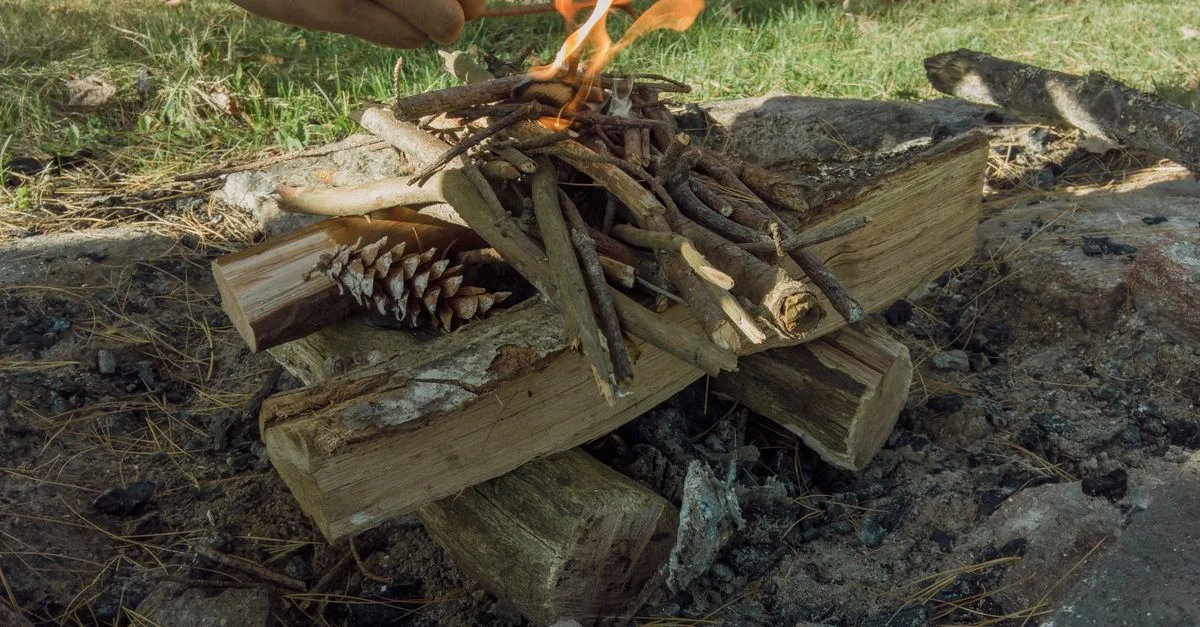
Hey there! Have you ever felt that quiet tug towards the wild, a deep desire to truly understand how to live with nature, not just visit it? Well, you’re in the right place. This guide is all about learning simple, yet powerful ways to connect with the outdoors, making you feel so much more capable and at home in any natural setting. This is Bushcraft 101, your complete beginner’s guide to unlocking the secrets of the wilderness.
Bushcraft 101 is your first step into a world where you use your hands, your mind, and what nature generously gives you to thrive. It’s about practical skills that make you self-reliant and confident when you’re outside. Ever wondered how to start a fire without matches, or build a quick shelter from a sudden downpour? Maybe you’ve seen someone craft a useful tool from a piece of wood. That’s bushcraft – real skills for real outdoor situations. It helps you understand the natural world better and feel truly prepared for anything.
Do you ever wonder how people lived in the wild long ago, using only what they found? Do you want to feel more ready for anything when you’re outside, knowing you can take care of yourself? Do you wish you knew how to use what nature provides, turning simple things into useful tools or comforts? This guide will show you how. Bushcraft 101 is your starting point for learning basic outdoor living and survival skills, using natural resources and simple tools to feel capable and comfortable in the wilderness.
What is Bushcraft, Really?
So, what exactly is bushcraft? It’s more than just surviving a tough spot; it’s about living comfortably and skillfully in nature. Think of it as using traditional knowledge and practical skills to really make the most of your surroundings. You learn to use natural materials to meet your basic needs: finding shelter, making fire, getting clean water, and even finding food. It’s about understanding the land, the plants, and the animals around you, and working with them, not against them. This way of life builds a deep respect for the environment and helps you feel truly connected to the wild world.
This practice really focuses on self-reliance and resourcefulness. It teaches you how to make tools, build useful structures, and navigate without relying on modern gadgets. Bushcraft is a journey of continuous learning, where you sharpen your senses and your ability to adapt. It’s about becoming a part of the natural world, rather than just a visitor passing through. When you practice bushcraft, you gain a quiet confidence in your own abilities and a strength that comes from knowing you can handle what the wilderness offers. You’ll find yourself looking at a forest not just as a bunch of trees, but as a source of materials, food, and shelter, ready for you to use with skill and care.
Why Bushcraft Matters for You
Bushcraft offers so much more than just practical skills; it brings a heck of a lot of benefits to your personal life. When you learn to make fire with a ferro rod or build a simple shelter, you get this amazing sense of accomplishment. That really builds your confidence, not just in the woods, but in all parts of your life. You start to trust your own abilities more. Spending time outdoors, focused on these hands-on tasks, also helps to clear your mind. It’s a fantastic way to reduce stress and get a much-needed break from the busy world, helping you feel calmer and more centered. This deep connection to nature is incredibly good for your mental well-being, giving you a fresh perspective on things.
Beyond personal growth, bushcraft makes you way more prepared for unexpected situations. Knowing how to purify water or signal for help can be life-saving skills, even if you only use them in a minor emergency. It also deepens your appreciation for the natural world. As you learn about different plants, trees, and animal tracks, you start to see the forest with new eyes. You begin to understand the delicate balance of ecosystems and naturally become a better steward of the environment. This respect for nature is a core part of bushcraft, encouraging you to leave no trace and protect the wild places you visit. You become more aware of your surroundings and how your actions affect them. Plus, it’s a wonderful way to bond with friends and family, creating lasting memories. It’s a journey of self-discovery and connection, helping you live a more fulfilling and capable life.
Essential Bushcraft Skills to Start With
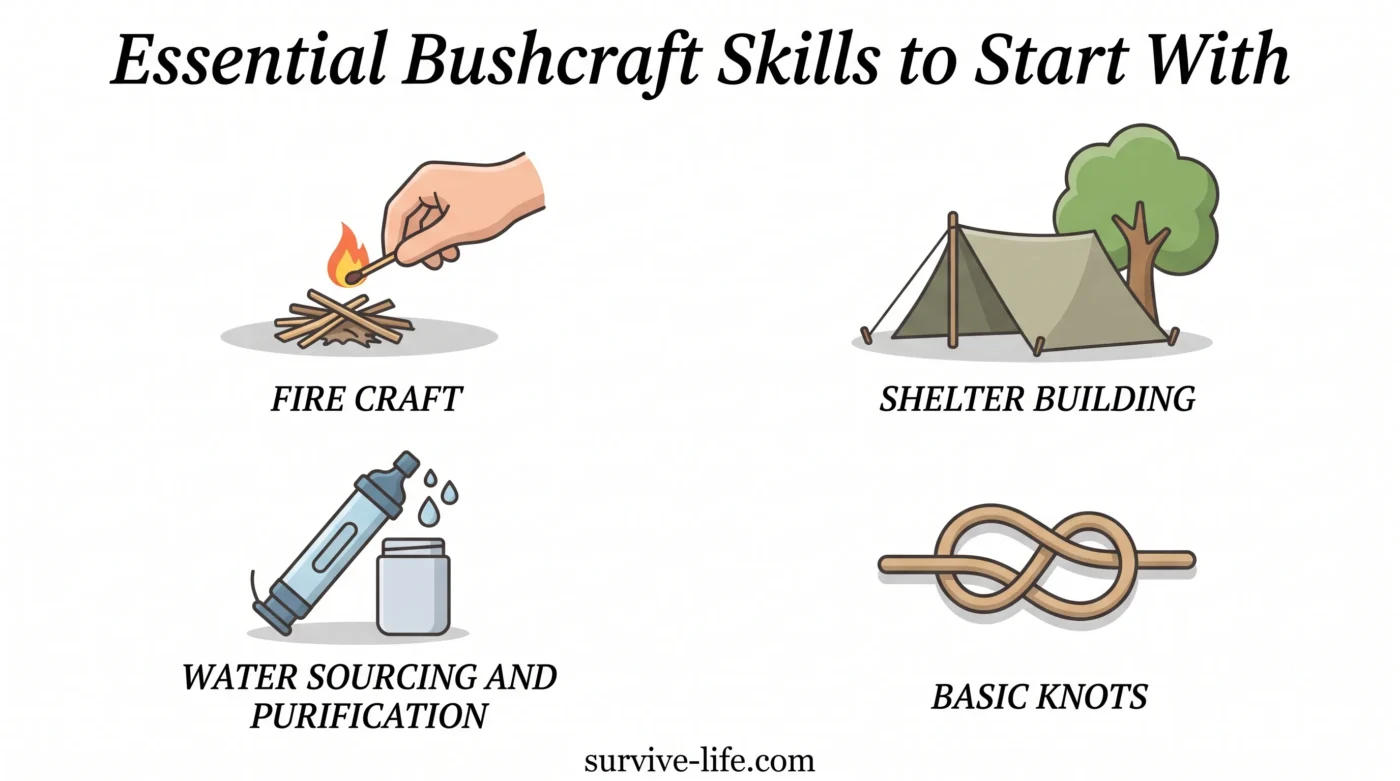
To begin your bushcraft journey, let’s focus on a few core skills that will give you a strong foundation. These are the building blocks for feeling comfortable and capable in the outdoors. You don’t need to master them all at once, but consistent practice will make a big difference. We’ll start with fire craft, shelter building, water sourcing, and basic knot tying. These skills are fundamental because they address your most immediate needs in a wilderness setting, providing warmth, protection, hydration, and the ability to secure things. Learning them step-by-step will make your outdoor experiences safer and much more enjoyable, giving you the confidence to venture further into nature.
Fire Craft: The Heart of Camp
Learning to make fire is perhaps the most important bushcraft skill. Fire provides warmth, cooks food, purifies water, and offers psychological comfort. You should start by practicing with a ferro rod and tinder. Gather dry, fluffy materials like birch bark or fine wood shavings. Prepare a small pile of tinder, then progressively larger kindling, and finally small fuel wood. Strike your ferro rod firmly to create sparks that ignite the tinder. Practice this until you can reliably start a fire in different conditions. Always have water or dirt nearby to put out your fire completely when you’re done.
Shelter Building: Your Home in the Wild
A good shelter protects you from wind, rain, and cold. For beginners, a simple tarp shelter is an excellent starting point. You can use a lightweight tarp, some rope, and a few sturdy sticks or trees. Learn to set up an A-frame or a lean-to configuration. These designs are quick to build and offer good protection. Practice tying different knots to secure your tarp tightly. As you get more skilled, you can experiment with natural shelters. The goal is to create a dry, insulated space that keeps you warm and safe through the night.
Water Sourcing and Purification: Staying Hydrated
Clean drinking water is absolutely essential for survival. You can’t last long without it! Learn how to find water sources like streams, rivers, or even collecting rainwater. However, never drink untreated water directly from nature, as it can contain harmful bacteria and parasites. The simplest and most reliable purification method is boiling. Bring water to a rolling boil for at least one minute to kill most pathogens. You can also use a portable water filter or purification tablets. Practice these methods so you’re confident in getting safe drinking water. Knowing how to find and treat water will keep you healthy and energized during your outdoor trips.
Basic Knots: The Bushcraft Fasteners
Knowing a few useful knots will make many bushcraft tasks easier and safer. Start with these three: the Bowline, the Taut-Line Hitch, and the Clove Hitch. The Bowline creates a strong, non-slipping loop at the end of a rope, useful for securing things. The Taut-Line Hitch allows you to adjust the tension of a line, perfect for setting up tarps or clotheslines. The Clove Hitch is great for quickly attaching a rope to a pole or tree. Practice these knots until you can tie them quickly and correctly, even in the dark. Good knot skills are invaluable for building shelters, hanging food, and many other camp tasks.
Your First Bushcraft Gear: What You Need
Starting your bushcraft journey doesn’t mean you need to buy a lot of expensive gear. The core idea is to be resourceful, but having a few essential, reliable tools will make your learning much easier and safer. Think of these items as extensions of your skills, helping you work with nature more effectively. Focus on quality over quantity, choosing durable items that will last. You want gear that is simple, effective, and can handle tough outdoor conditions. These basic tools will form the foundation of your bushcraft kit, allowing you to practice and develop your skills without feeling overwhelmed by too many choices. Remember, the most important gear is your knowledge and your hands.
The Fixed-Blade Knife: Your Primary Tool
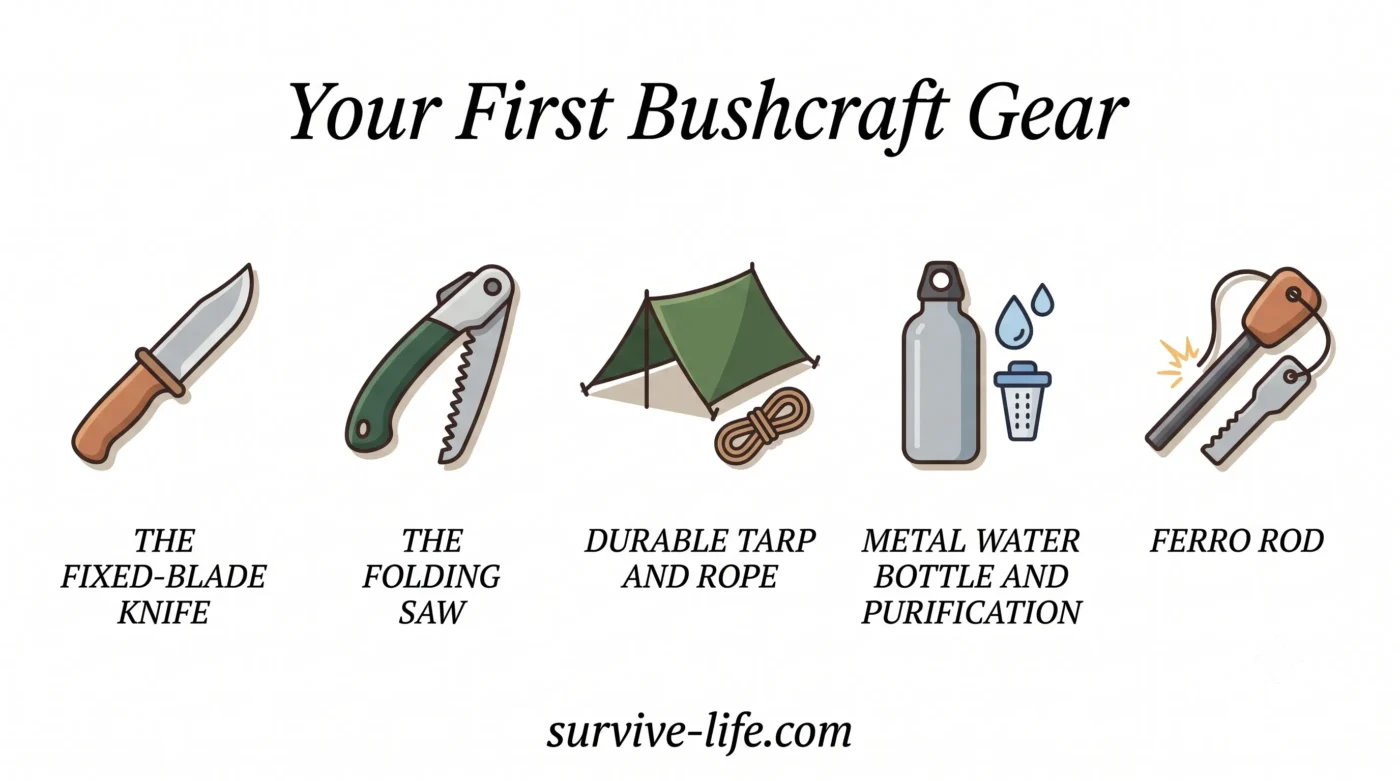
A good fixed-blade knife is the most important tool in your bushcraft kit. It should be full tang (meaning the blade steel runs through the entire handle) for strength and have a comfortable grip. A blade length of 4-6 inches is versatile for most tasks. You’ll use it for cutting cordage, preparing tinder, making feather sticks, carving wood, and even preparing food. Keep it sharp and clean. Learn how to use it safely, always cutting away from your body. This knife will be your constant companion and a true workhorse in the wild.
The Folding Saw: For Bigger Cuts
While your knife is great for fine work, a folding saw makes quick work of larger branches for firewood or shelter building. Choose a saw with a sharp, aggressive blade that folds safely into its handle. It’s much more efficient and safer than trying to chop thick wood with a knife. A good folding saw will save you a lot of energy and time, allowing you to process wood for your fire or shelter much faster. Look for one that is lightweight but sturdy enough for real work.
Durable Tarp and Rope: Instant Shelter
A strong, waterproof tarp is an incredibly versatile piece of gear. It can be set up as a quick shelter from rain or sun, used as a ground sheet, or even as a signal. Pair it with some good quality rope or paracord. Learn to tie different knots to set up your tarp in various configurations. A tarp and rope system gives you immediate protection and flexibility, making it one of the most valuable items for a beginner. Choose a tarp that is lightweight but tough, able to withstand wind and weather.
Metal Water Bottle and Purification: Hydration System
A single-wall metal water bottle (like stainless steel) is essential. You can use it to boil water directly over a fire for purification. Combine this with a simple water filter or purification tablets for backup. Staying hydrated is critical, and this setup gives you a reliable way to carry and treat water. Avoid plastic bottles for boiling. A metal bottle is durable and serves multiple purposes, making it a smart choice for your kit.
Ferro Rod: Reliable Fire Starter
A ferro rod (ferrocerium rod) is a reliable fire starter that works even when wet. It creates very hot sparks that can ignite tinder. It’s a more robust option than matches or lighters, especially in damp conditions. Practice using it with different types of tinder until you can consistently get a flame. This tool, along with your knife, will ensure you can always make fire when you need it.
Staying Safe and Respecting Nature
Bushcraft is all about connecting with nature, but it’s also about doing so responsibly and safely. Your safety should always be your top priority. This means being prepared, knowing your limits, and understanding the environment you’re in. Respecting nature is equally important; it ensures that the wild places you enjoy remain healthy and beautiful for everyone. These two principles go hand-in-hand, making your bushcraft experiences positive and sustainable. You’re not just learning skills; you’re also learning to be a thoughtful and careful visitor in the natural world, protecting it as you use it.
Plan Your Trip Carefully
Before you even step into the woods, plan your trip. Tell someone where you’re going, your planned route, and when you expect to return. Check the weather forecast and pack appropriate clothing and gear. Know the area you’re visiting – are there any specific dangers, like dangerous animals or difficult terrain? Having a map and compass (and knowing how to use them) is always a good idea, even if you have a GPS. A well-planned trip is a safe trip, reducing the chances of getting lost or running into unexpected trouble. Always carry a small first-aid kit and know how to use its contents for minor injuries.
Know Your Limits and Practice Safely
Don’t try to do too much too soon. Start with simple skills in a familiar, safe environment, like your backyard or a local park. Don’t go deep into the wilderness alone until you’ve gained experience and confidence. Always practice knife and saw skills carefully, wearing gloves if needed. Understand that accidents can happen, so always be mindful of your surroundings and your tools. It’s better to slowly build your skills and knowledge than to rush and put yourself at risk. Listen to your body and know when to rest or turn back.
Leave No Trace: Protect the Wild
The “Leave No Trace” principles are vital for any outdoor activity, especially bushcraft. This means minimizing your impact on the environment. Pack out everything you pack in, including all trash. Don’t cut live trees or plants unless absolutely necessary for survival. Build small, contained fires and make sure they’re completely out before you leave. Stay on existing trails to avoid damaging vegetation. Respect wildlife by observing from a distance and never feeding animals. Your goal is to leave the area exactly as you found it, or even better, so others can enjoy it too. This respect ensures that nature remains wild and healthy for future generations.
Conclusion You’ve taken your first steps into the world of bushcraft, understanding what it is, why it matters, and the essential skills and gear to get started. You now know the importance of fire, shelter, water, and basic tools, along with the critical need for safety and respect for nature. This guide has given you a clear path to begin your journey into self-reliance and deeper connection with the outdoors.
Now, it’s your turn to put this knowledge into practice. Start small, practice often, and let your curiosity guide you. Step outside, feel the earth, and begin to build your skills. The wilderness is waiting for you to become a part of it. Your adventure has just begun.