
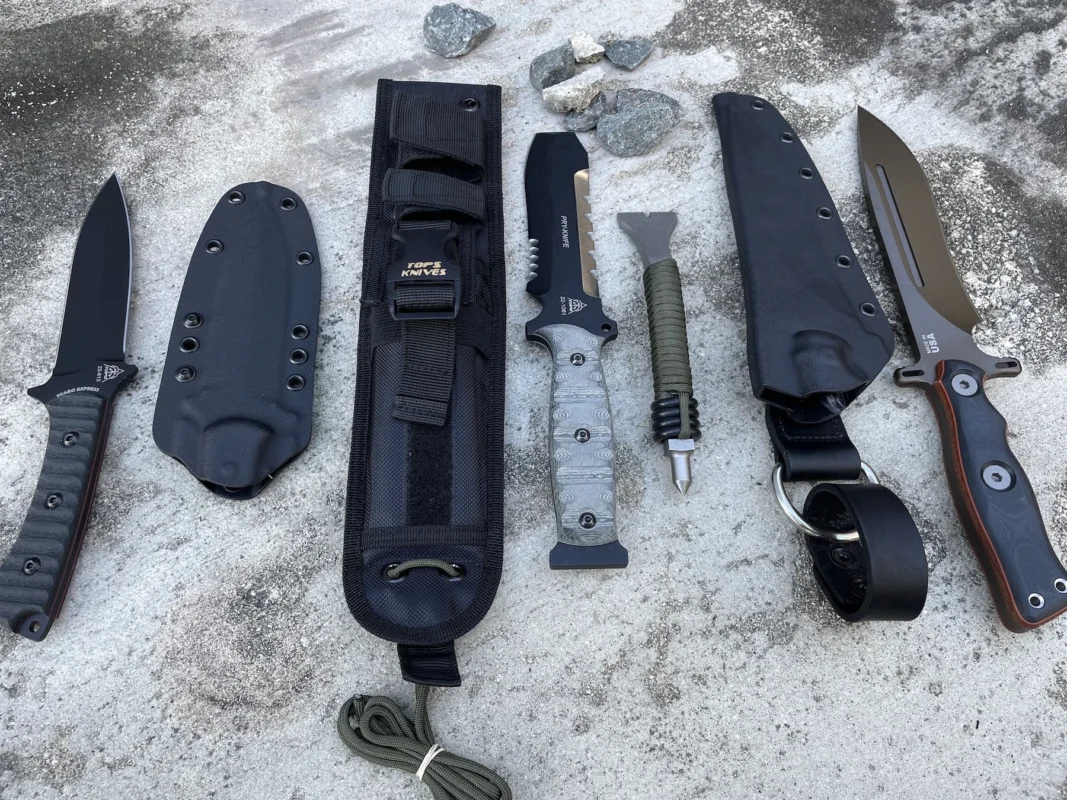
When a knife fails in the backcountry, it compromises your ability to build shelter, process firewood, and prepare food. Relying on an inadequate blade is a critical error. This guide identifies five robust, field-proven survival knives under $100, selected for their reliability and performance in demanding bushcraft scenarios.
Critical Selection Criteria for a Bushcraft Blade
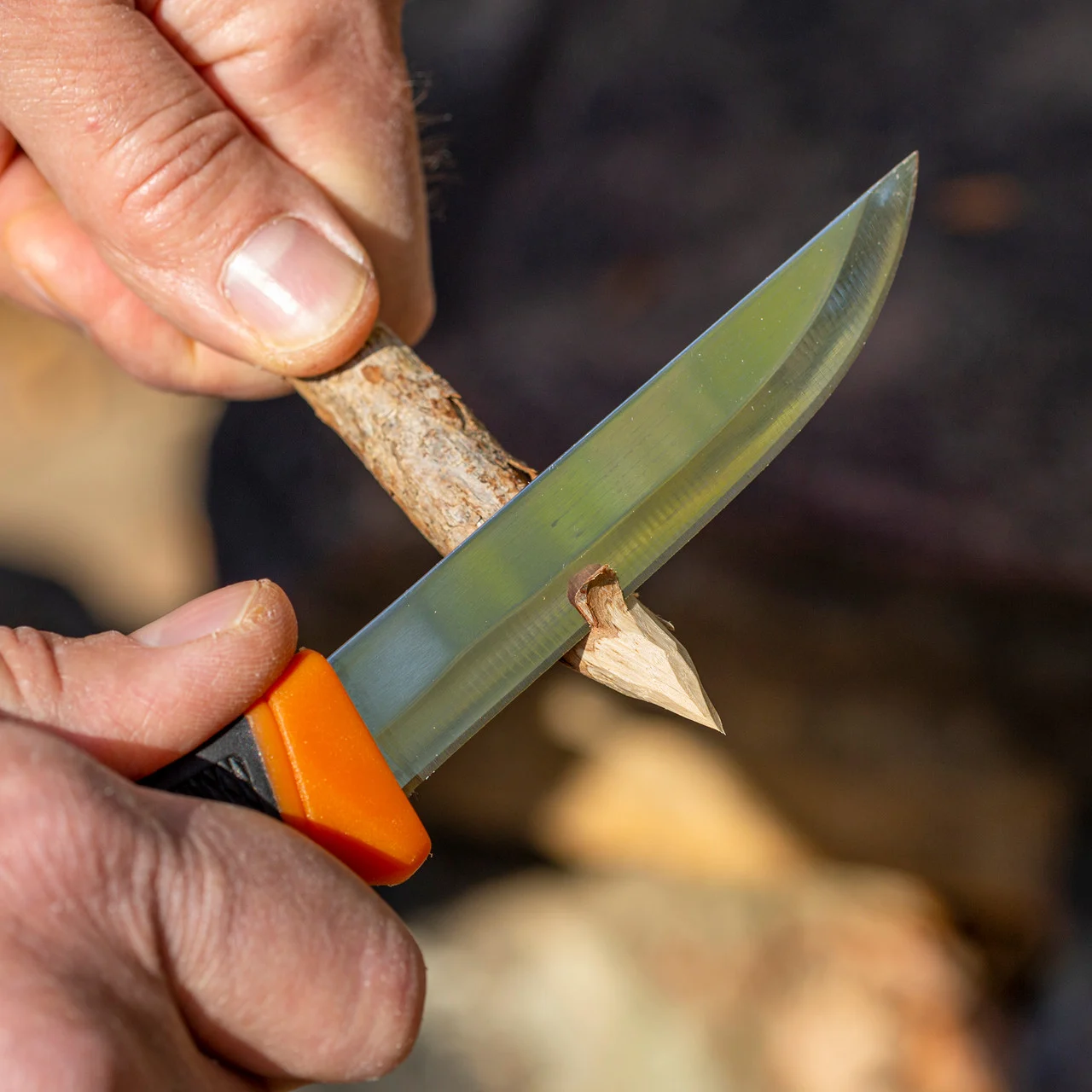
Selecting the right bushcraft knife requires a meticulous evaluation of several key attributes. A blade is not merely a cutting tool; it is a primary survival instrument. Its design and material composition directly impact its effectiveness and durability in the field. Understanding these criteria ensures you choose a knife that will perform reliably when it matters most.
Blade Steel Composition and Performance
The steel type dictates a knife’s edge retention, toughness, and corrosion resistance. High-carbon steels, such as 1095 or 1075, are renowned for their exceptional toughness and ease of sharpening. They hold a working edge for significantly longer periods under heavy batoning compared to many stainless variants, requiring less frequent sharpening in the field. However, carbon steels demand diligent maintenance to prevent rust. Conversely, robust stainless steels like D2 or 440C offer superior corrosion resistance, making them suitable for wet environments. They often require more effort to sharpen but maintain their edge well. The choice between carbon and stainless steel often depends on the user’s environment and maintenance discipline. A good bushcraft blade balances these properties for optimal field performance.
Handle Ergonomics and Secure Grip
A secure and comfortable grip is paramount for safety and efficiency during prolonged use. Materials like G-10, Micarta, and rubberized polymers provide excellent traction even when wet, cold, or covered in grime. These materials are also highly durable and resistant to temperature fluctuations. Poor handle ergonomics lead to hand fatigue and increase the risk of slippage, which can result in serious injury. The handle should fill the hand without creating hot spots during heavy tasks like carving or batoning. Furthermore, a lanyard hole is a valuable feature for securing the knife, preventing accidental loss in challenging terrain. A well-designed handle ensures precise control and reduces strain during demanding bushcraft operations.
Sheath Retention and Carry Options
The sheath is as vital as the blade itself. It must securely retain the knife, preventing accidental deployment or loss. Kydex sheaths offer excellent retention, are waterproof, and often feature multiple attachment points. Nylon sheaths are lightweight and versatile, frequently incorporating pouches for sharpening stones or ferro rods. Leather sheaths provide a classic look and durable protection but require more maintenance. Essential sheath features include drain holes to prevent water accumulation and rust, and versatile attachment options for belt, pack, or neck carry. A robust belt loop or MOLLE-compatible attachment ensures the knife is always accessible. Always ensure your sheath provides positive retention and allows for quick, one-handed deployment.
Blade Geometry and Grind for Versatility
Full tang construction is non-negotiable for a survival knife. This design ensures the blade steel extends through the entire handle, providing maximum strength and preventing catastrophic failure. Blade thickness should be sufficient for batoning without being overly cumbersome for finer tasks. A thickness between 0.15 and 0.25 inches is generally ideal. Grinds like the Scandi grind excel at wood processing and carving, creating strong, easily sharpened edges. A flat grind offers a good balance of strength and slicing ability, suitable for a wider range of tasks including food preparation. The blade’s spine should be sharp enough to strike a ferro rod effectively. A versatile blade geometry allows for efficient execution of diverse bushcraft tasks, from splitting wood to preparing tinder.
Comparative Analysis of Top Bushcraft Knives Under $100
Identifying a reliable bushcraft knife within a budget requires careful consideration of specifications and real-world performance. This comparative analysis highlights five exceptional blades that consistently deliver in demanding outdoor environments, all while remaining under the $100 price point. Each knife offers a unique blend of features, catering to different preferences and bushcraft styles. We have meticulously evaluated their construction, materials, and intended use to provide a clear overview. This table serves as a quick reference, allowing you to compare critical attributes side-by-side. Understanding these distinctions is crucial for making an informed decision that aligns with your specific needs in the field. Furthermore, the price ranges provided are estimates and can fluctuate based on retailers and promotions. Always check current market prices before making a purchase. This structured comparison helps streamline your selection process, ensuring you acquire a tool that genuinely enhances your preparedness.
| Product | Blade Length | Steel Type | Handle Material | Weight | Price Range | Best For |
|---|---|---|---|---|---|---|
| Pathfinder Bushman | 4.5 inches | 1095 High Carbon | Micarta | 7.8 oz | $75 – $95 | Heavy-duty wood processing, batoning |
| Ridgeback Tracker | 4.0 inches | D2 Tool Steel | G-10 | 6.5 oz | $80 – $100 | Edge retention, all-around utility |
| Wilderness Scout | 4.3 inches | 1075 High Carbon | Rubberized Polymer | 5.9 oz | $50 – $70 | Budget-friendly, carving, fire prep |
| Frontier Hunter | 4.2 inches | 8Cr13MoV Stainless | Textured Polymer | 6.2 oz | $45 – $65 | General utility, corrosion resistance |
| Outback Companion | 3.8 inches | 1075 High Carbon | Hardwood | 5.5 oz | $60 – $80 | Compact carry, fine carving, secondary blade |
Individual Knife Deep Dive: Pathfinder Bushman
Core Specifications and Design
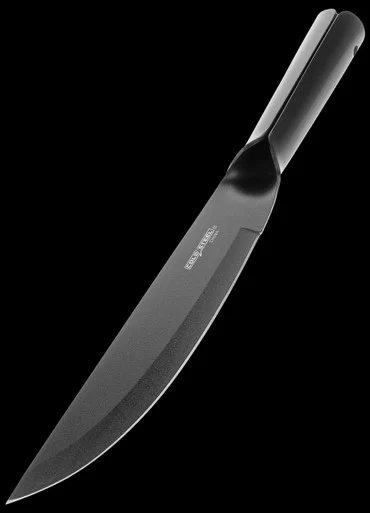
The Pathfinder Bushman is built for rugged performance. It features a 4.5-inch blade crafted from durable 1095 high carbon steel. This steel choice provides exceptional toughness and impact resistance, crucial for demanding tasks. The blade boasts a robust full tang construction, ensuring maximum strength from tip to pommel. Its Scandi grind is optimized for efficient wood processing, making feather sticks and notching straightforward. The handle is constructed from contoured Micarta, offering a secure and comfortable grip even in wet conditions. Furthermore, the Micarta material is known for its durability and resistance to environmental factors. The overall design prioritizes strength and functionality over aesthetics, reflecting its purpose as a serious bushcraft tool. A substantial lanyard hole is integrated into the pommel for added security.
Field Performance Assessment
In the field, the Pathfinder Bushman excels at heavy-duty tasks. Its thick spine and 1095 steel make it an outstanding batoning tool, splitting logs with minimal effort. The Scandi grind bites deep into wood, allowing for precise control during carving and notching. It creates excellent feather sticks for fire starting. The sharp spine effectively throws sparks from a ferro rod, a critical survival function. While 1095 steel requires regular oiling to prevent rust, its edge retention during strenuous work is impressive. The Micarta handle maintains its grip even when hands are cold or wet, preventing slippage. This knife consistently performs under pressure, proving its reliability in diverse bushcraft scenarios. Its weight provides a reassuring heft without being overly cumbersome.
Advantages for Bushcraft Tasks
- Superior Batoning Capability: The robust blade and full tang construction handle heavy splitting tasks with ease.
- Excellent Wood Carving: The Scandi grind allows for precise control and efficient material removal for crafting tools or traps.
- Reliable Fire Starting: A sharp 90-degree spine ensures consistent spark generation with a ferro rod.
- Durable Handle: Micarta provides a secure, comfortable, and long-lasting grip in all weather conditions.
- Easy to Sharpen: 1095 steel is relatively simple to resharpen in the field using basic tools.
Limitations and Considerations
- Corrosion Prone: 1095 high carbon steel requires diligent maintenance (cleaning and oiling) to prevent rust.
- Less Ideal for Food Prep: The thick Scandi grind can make fine slicing for food preparation less efficient than a thinner flat grind.
- Weight: Its robust build makes it slightly heavier than some other options, which might be a consideration for ultralight packers.
Individual Knife Deep Dive: Ridgeback Tracker
Core Specifications and Design
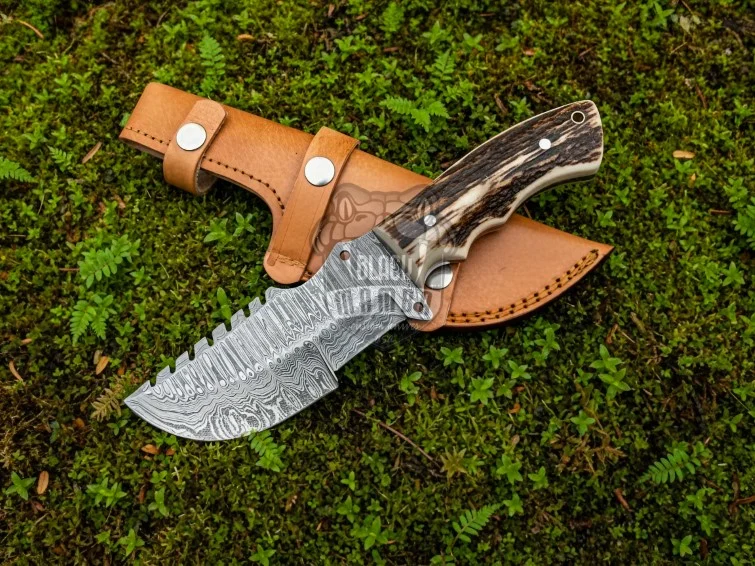
The Ridgeback Tracker features a 4.0-inch drop-point blade, crafted from D2 tool steel. D2 is a semi-stainless steel known for its exceptional edge retention and wear resistance, making it a favorite among those who prioritize less frequent sharpening. The blade incorporates a full flat grind, offering a versatile balance between slicing efficiency and strength. Its full tang construction is complemented by G-10 handle scales, which are renowned for their strength, light weight, and excellent grip texture. The handle is ergonomically shaped to reduce fatigue during extended use. A prominent finger choil allows for choking up on the blade for detailed work. The overall design is modern and tactical, yet highly functional for traditional bushcraft applications. A well-placed lanyard hole enhances security.
Field Performance Assessment
The Ridgeback Tracker performs admirably across a spectrum of bushcraft tasks. Its D2 steel blade holds an edge for an extended period, reducing the need for frequent sharpening during multi-day excursions. The full flat grind makes it an excellent slicer, proficient at food preparation and general utility tasks. While not a dedicated batoning specialist like a Scandi grind, it handles moderate batoning effectively due to its robust thickness. The G-10 handle provides a confident grip, even when wet or muddy, ensuring precise control. Striking a ferro rod is efficient with its squared spine. This knife is a reliable workhorse for those who value long-lasting sharpness and versatility. Its balanced design makes it comfortable for prolonged use.
Advantages for Bushcraft Tasks
- Exceptional Edge Retention: D2 steel maintains a sharp edge for extended periods, minimizing field sharpening.
- Versatile Flat Grind: Excels at slicing, food preparation, and general utility tasks while retaining strength.
- Superior Grip: G-10 handle scales provide a secure, non-slip grip in all conditions.
- Good Wear Resistance: D2 steel stands up well to abrasive materials and heavy use.
- Modern, Durable Construction: Built to withstand harsh environments with minimal maintenance.
Limitations and Considerations
- Challenging to Sharpen: D2 steel’s hardness makes it more difficult and time-consuming to sharpen in the field without proper tools.
- Moderate Corrosion Resistance: While semi-stainless, D2 can still rust if not properly cared for, especially in humid environments.
- Less Aggressive for Batoning: The flat grind is effective but not as optimized for splitting wood as a dedicated Scandi grind.
Individual Knife Deep Dive: Wilderness Scout
Core Specifications and Design
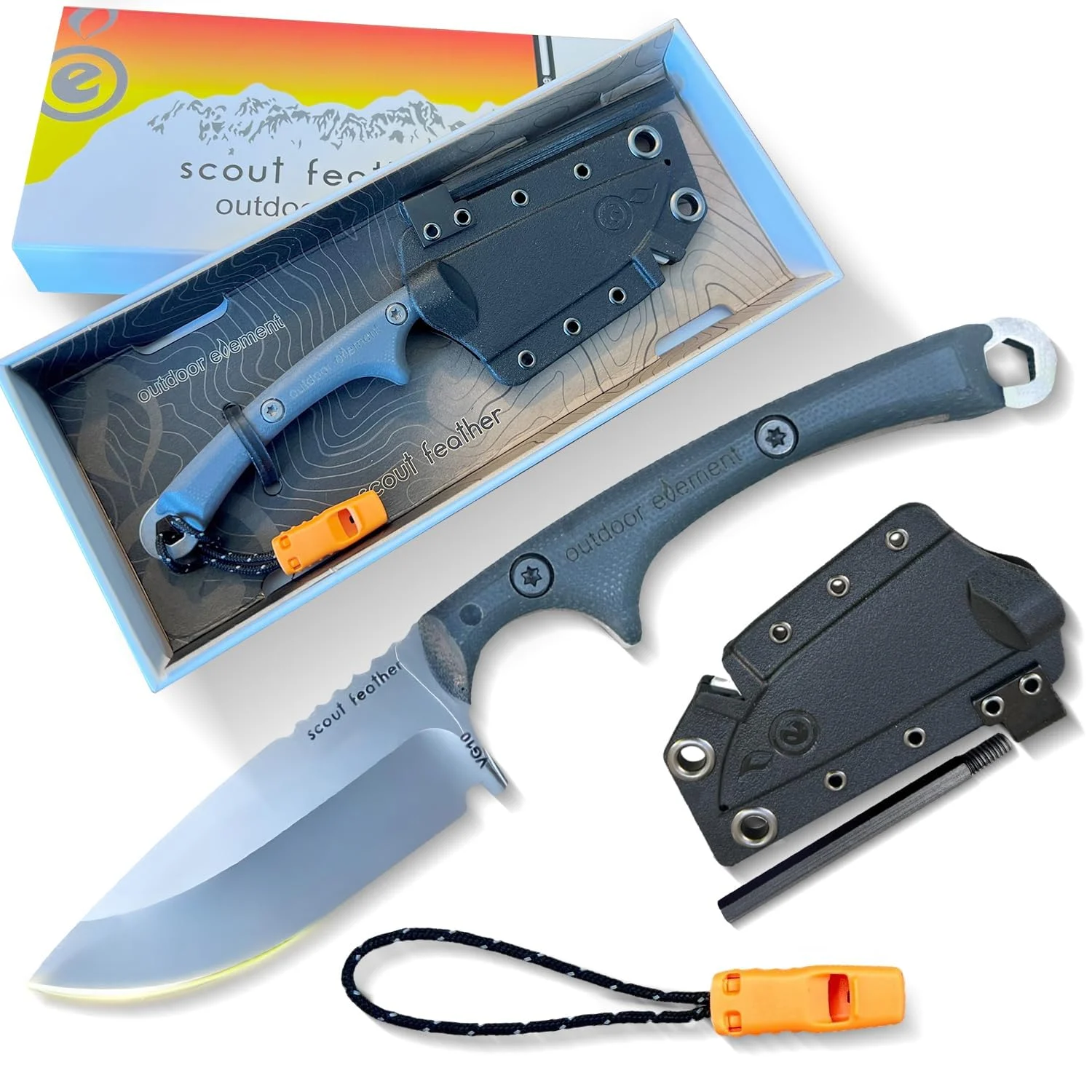
The Wilderness Scout is a testament to functional simplicity and affordability. It features a 4.3-inch blade made from 1075 high carbon steel, a material known for its toughness and ease of sharpening. The blade utilizes a classic Scandi grind, making it highly effective for woodcraft. Full tang construction ensures structural integrity, a critical feature for any survival tool. The handle is crafted from a durable, rubberized polymer, providing an excellent non-slip grip even in adverse conditions. This material also offers a degree of shock absorption, enhancing comfort during prolonged use. The design is straightforward and practical, focusing on core bushcraft capabilities. Its lightweight nature makes it an attractive option for extended treks. A simple, yet effective, sheath often accompanies this model.
Field Performance Assessment
The Wilderness Scout consistently delivers strong performance in bushcraft scenarios. Its 1075 high carbon steel blade, combined with the Scandi grind, makes it an outstanding tool for carving, feather sticking, and notch cutting. It processes wood efficiently for shelter building and fire preparation. Batoning small to medium-sized logs is well within its capabilities. The rubberized handle provides a remarkably secure grip, even when wet or gloved, reducing the risk of accidents. The spine is sharp and effective for striking a ferro rod, generating ample sparks. While 1075 steel requires regular cleaning and oiling to prevent rust, its ease of sharpening means a keen edge is always attainable with minimal effort. This knife offers exceptional value for its price point, proving that effective bushcraft tools do not need to be expensive.
Advantages for Bushcraft Tasks
- Excellent Value: Provides high performance for its budget-friendly price, making it accessible to all.
- Superior Wood Carving and Processing: The Scandi grind excels at detailed woodcraft and efficient material removal.
- Secure, Comfortable Grip: Rubberized polymer handle ensures confident handling in all weather conditions.
- Easy to Sharpen: 1075 high carbon steel takes a keen edge quickly with basic sharpening tools.
- Lightweight Design: Reduces fatigue during long periods of use and carrying.
Limitations and Considerations
- Rust Susceptibility: High carbon steel demands consistent maintenance to prevent corrosion.
- Less Premium Feel: The rubberized handle, while functional, may not appeal to those preferring traditional materials.
- Sheath Quality: Stock sheaths can sometimes be basic, potentially requiring an upgrade for optimal carry.
Individual Knife Deep Dive: Frontier Hunter
Core Specifications and Design
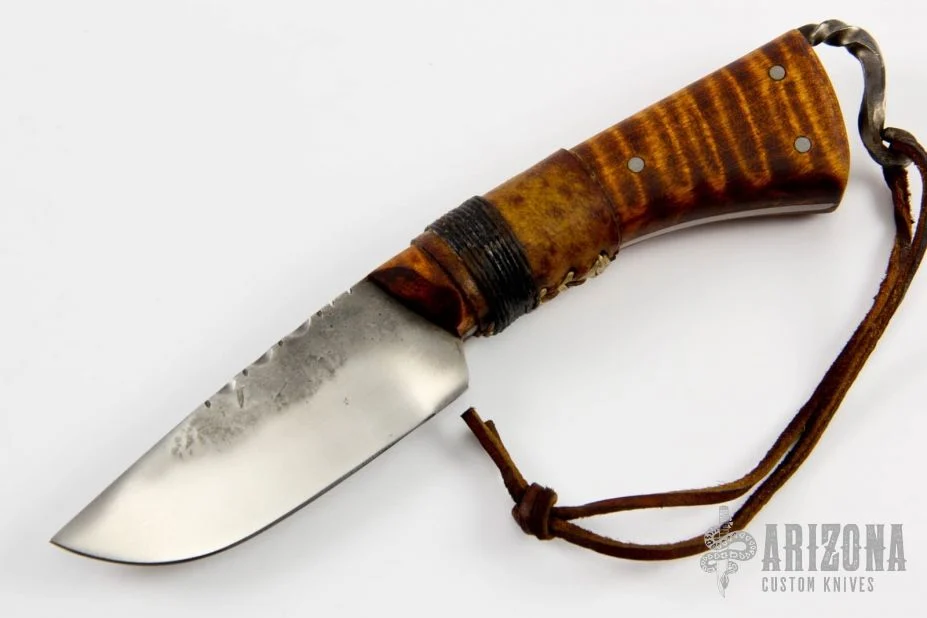
The Frontier Hunter is designed as a versatile utility knife, featuring a 4.2-inch clip-point blade. It is constructed from 8Cr13MoV stainless steel, a common choice for budget-friendly knives due to its good balance of corrosion resistance, edge retention, and ease of sharpening. The blade employs a full flat grind, making it adept at slicing and general cutting tasks. Full tang construction provides a solid foundation for the blade. The handle is made from a textured polymer, offering a reliable grip without adding excessive weight. Its ergonomic shape fits comfortably in the hand, promoting control during various operations. The clip-point design offers a fine tip for detailed work while maintaining a strong belly for slicing. This knife aims to be a jack-of-all-trades for the outdoor enthusiast. A robust lanyard hole is present for security.
Field Performance Assessment
The Frontier Hunter proves its worth as a general-purpose bushcraft and utility knife. The 8Cr13MoV stainless steel offers decent edge retention for everyday tasks and is significantly more corrosion resistant than carbon steels, making it suitable for humid or wet environments. The full flat grind excels at food preparation, opening packages, and general camp chores. It can handle light to moderate batoning, though it is not its primary strength. The textured polymer handle provides a surprisingly secure grip, even when wet, ensuring safe operation. The clip-point tip is useful for piercing and finer work. While not a specialist in any single area, its balanced performance across multiple tasks makes it a reliable companion for various outdoor activities. Sharpening is relatively straightforward, allowing for easy field maintenance.
Advantages for Bushcraft Tasks
- Good Corrosion Resistance: 8Cr13MoV stainless steel requires less maintenance in wet conditions.
- Versatile Blade Shape: Clip-point and flat grind are effective for general utility, slicing, and piercing tasks.
- Comfortable, Secure Grip: Textured polymer handle provides reliable handling.
- Easy to Maintain: Stainless steel is less prone to rust, and the steel is relatively easy to sharpen.
- Affordable: Offers solid performance at a very competitive price point.
Limitations and Considerations
- Moderate Edge Retention: While decent, 8Cr13MoV steel will not hold an edge as long as premium steels like D2 or 1095.
- Less Ideal for Heavy Batoning: The grind and steel type are better suited for lighter wood processing.
- Tip Strength: The fine clip-point tip can be more susceptible to breakage under extreme lateral stress compared to a drop-point.
Individual Knife Deep Dive: Outback Companion
Core Specifications and Design
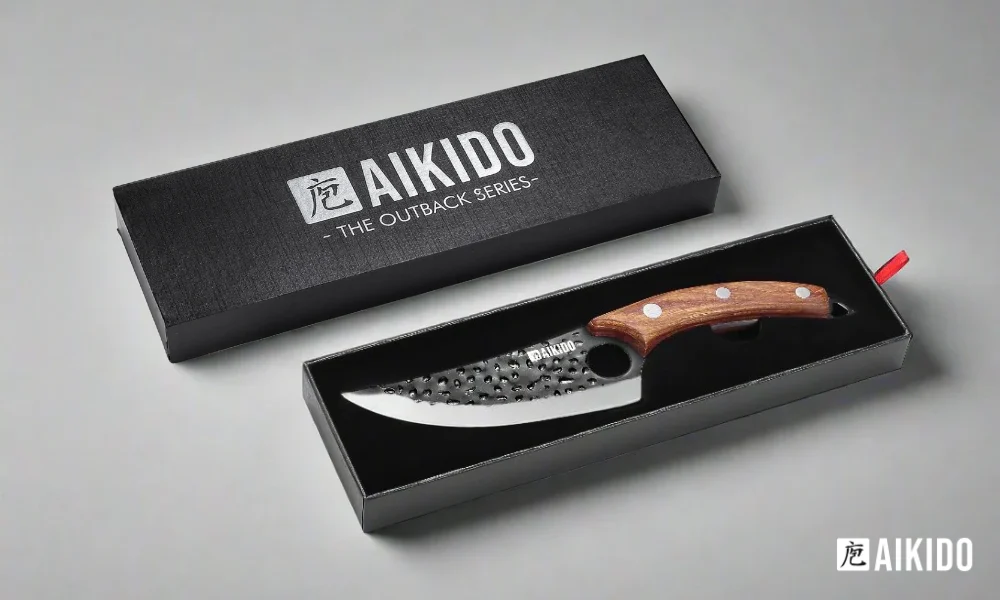
The Outback Companion is a compact yet capable fixed blade, featuring a 3.8-inch blade. It is crafted from 1075 high carbon steel, chosen for its toughness and ease of sharpening. The blade typically features a modified Scandi or saber grind, providing a strong edge suitable for wood processing while maintaining a robust profile. Full tang construction is standard, ensuring durability. The handle is often made from hardwood, offering a traditional aesthetic and a surprisingly secure grip when properly finished. Its smaller size makes it an excellent choice for fine carving tasks and as a secondary cutting tool. The design emphasizes portability and precision, making it a favorite for detailed bushcraft work. A compact, well-fitting sheath usually accompanies this knife, allowing for various carry options.
Field Performance Assessment
Despite its smaller stature, the Outback Companion performs exceptionally well in its niche. The 1075 high carbon steel and Scandi-like grind make it a superb tool for detailed carving, crafting traps, and preparing tinder. It excels at feather sticking, producing fine curls with ease. While not designed for heavy batoning, it can handle smaller pieces of wood for kindling. Its compact size allows for precise control during intricate tasks, reducing hand fatigue. The hardwood handle, when properly maintained, offers a comfortable and secure grip. The spine is typically sharp enough to strike a ferro rod effectively. This knife is an ideal companion for those who prioritize fine motor skills and portability in their bushcraft tools. It serves as an excellent backup or primary knife for lighter tasks.
Advantages for Bushcraft Tasks
- Excellent for Fine Carving: Its compact size and grind make it perfect for detailed woodcraft and precision tasks.
- Highly Portable: Lightweight and small, it’s easy to carry as a primary or secondary blade.
- Easy to Sharpen: 1075 high carbon steel takes a very sharp edge quickly and easily.
- Traditional Aesthetic: Hardwood handle appeals to those who appreciate classic bushcraft tools.
- Good Control: Smaller blade allows for superior control during intricate work.
Limitations and Considerations
- Limited Batoning Capability: Not suitable for heavy wood splitting due to its smaller size and blade geometry.
- Corrosion Prone: High carbon steel requires consistent care to prevent rust.
- Handle Durability: Hardwood handles can be susceptible to cracking or warping if not properly maintained or if exposed to extreme moisture.
Maintaining Your Edge: Sharpening and Care in the Field
Proper knife maintenance is not merely about aesthetics; it is about ensuring your primary survival tool remains fully functional. A dull or corroded blade is a liability in the backcountry. Regular care extends the life of your knife and guarantees its readiness for any task. This section outlines essential practices for keeping your blade in peak condition, both in the field and during storage. Neglecting these steps can lead to premature tool failure, compromising your safety and efficiency. Furthermore, understanding the nuances of blade care for different steel types is crucial. High-carbon steels, for instance, demand a different approach than stainless variants. Implement these practices consistently to maintain a reliable edge.
Essential Sharpening Systems for Durability
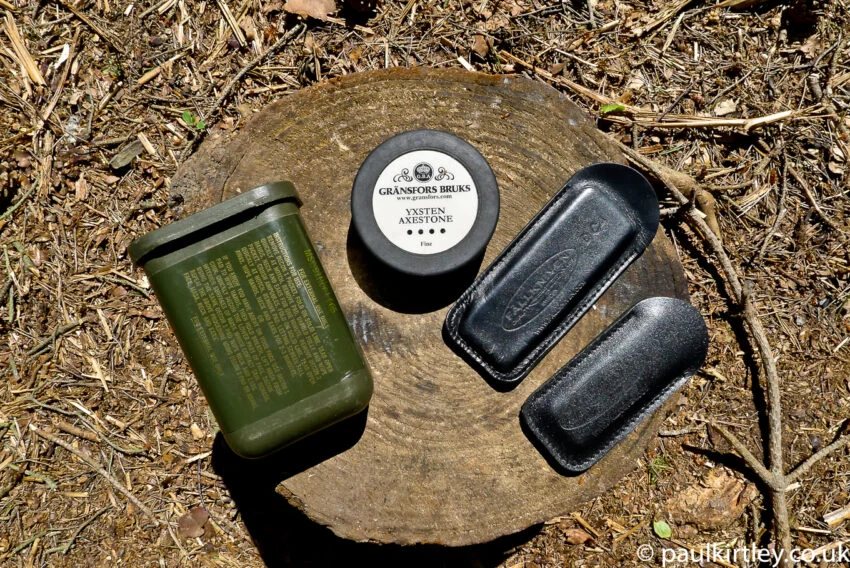
Maintaining a sharp edge is critical for efficient and safe knife use. A dull blade requires more force, increasing the risk of slippage and injury. For field sharpening, compact and versatile systems are ideal. A Fallkniven DC4 diamond/ceramic sharpener offers both coarse diamond and fine ceramic surfaces, suitable for restoring and refining an edge. The Work Sharp Field Sharpener provides multiple abrasive surfaces, including diamond plates, ceramic rods, and a leather strop, making it a comprehensive solution. For quick touch-ups, a compact ceramic rod or a small piece of fine-grit wet/dry sandpaper wrapped around a flat stick can suffice. Always sharpen at a consistent angle to maintain the blade’s geometry and maximize edge retention. Practice your sharpening technique at home before relying on it in the field. A well-maintained edge makes all bushcraft tasks easier and safer.
Preventing Corrosion and Blade Degradation
Corrosion, particularly rust on high-carbon steels, can severely degrade a blade’s performance and structural integrity. After each use, especially when processing food or working in wet conditions, clean your blade thoroughly. Wipe it dry immediately. For high-carbon steels, apply a thin layer of oil (mineral oil, camellia oil, or even cooking oil in a pinch) to the blade surface. This creates a protective barrier against moisture. Avoid leaving your knife dirty or wet for extended periods. Even stainless steels can develop surface rust or pitting if neglected. Regularly inspect your blade for any signs of corrosion and address them promptly with fine abrasive pads or rust removers. Proper lubrication also applies to pivot points on folding knives, ensuring smooth operation. Consistent cleaning and oiling are non-negotiable for blade longevity.
Proper Storage for Longevity
Long-term storage requires specific considerations to prevent blade degradation. Never store a knife in its leather sheath for extended periods. Leather can trap moisture and chemicals that promote rust and corrosion. Kydex sheaths are generally safer, but it is still best to store fixed blades outside their sheath. Store knives in a dry environment, ideally with a desiccant packet, especially in humid climates. Avoid extreme temperature fluctuations, which can affect handle materials and blade coatings. For carbon steel blades, ensure they are thoroughly cleaned, dried, and oiled before storage. Consider a silicone-impregnated cloth or a dedicated knife storage box. Proper storage prevents environmental damage, maintains the knife’s integrity, and ensures it is ready for deployment when needed. This simple practice significantly extends the lifespan of your valuable tools.
Beyond the Blade: Complementary Tools for Survival Preparedness
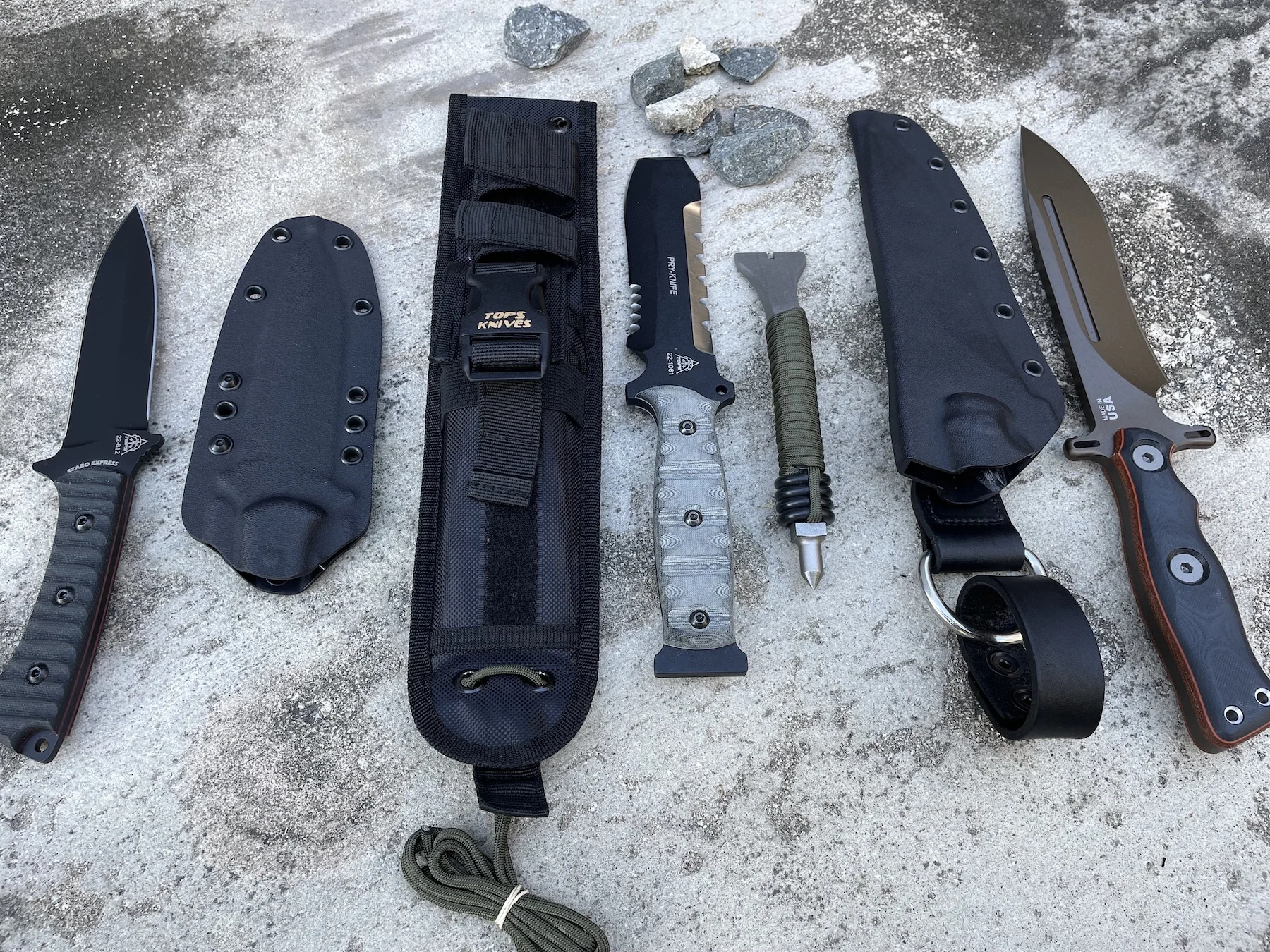
While a reliable knife is foundational, true survival preparedness extends beyond a single tool. A comprehensive kit incorporates redundancy and specialized instruments to address various challenges encountered in the wilderness. Relying solely on one item for critical functions is a significant vulnerability. This section outlines essential complementary tools that enhance your ability to build shelter, start fires, navigate, and process resources effectively. Integrating these items into your gear ensures a robust and adaptable survival system. Each tool serves a distinct purpose, collectively bolstering your resilience in unpredictable environments. Furthermore, understanding how these tools interact and provide backup options is key to a well-rounded approach to bushcraft and survival. Prioritize quality and reliability in all your selections.
Redundant Fire Starters
Fire is a critical element for warmth, cooking, water purification, and signaling. Relying on a single fire starter is a grave error. Always carry multiple, distinct methods. A robust ferro rod with a dedicated striker is highly reliable, generating intense sparks even when wet. Stormproof matches, stored in a waterproof container, provide an easy ignition source in adverse weather. A reliable Bic lighter offers convenience and a sustained flame for igniting tinder. Furthermore, consider carrying a small amount of prepared tinder, such as cotton balls soaked in petroleum jelly, to ensure quick ignition. These redundant systems guarantee you can start a fire under almost any condition. Always test your fire starters regularly to ensure they are in working order before heading into the field.
Compact Navigation Aids
Effective navigation is paramount for preventing disorientation and ensuring safe travel. A quality baseplate compass, such as a Suunto MC-2 or Silva Ranger, is an indispensable tool. These compasses feature a clear baseplate for map work, a rotating bezel, and often a sighting mirror for precise bearings. Pair your compass with a laminated section of a topographical map relevant to your area of operation. Lamination protects the map from water and wear. Learn to read a map and use a compass proficiently before venturing out. GPS devices and smartphones can be useful, but they are susceptible to battery failure and signal loss. A compass and map provide a reliable, passive navigation system that never runs out of power. Always orient your map to your surroundings for accurate positioning.
Essential Cutting Tool Backup
While your primary bushcraft knife handles many tasks, specialized cutting tools enhance efficiency and provide redundancy. A robust folding saw, such as a Bahco Laplander, is invaluable for processing larger diameter wood for shelter construction or firewood. It is significantly more efficient and safer for cutting branches than batoning with a knife. For a secondary cutting tool, a smaller fixed blade like a Morakniv Companion is an excellent choice. This provides a backup knife for fine carving, food preparation, or if your primary blade is lost or damaged. Having multiple cutting tools ensures you can adapt to various tasks without overstressing your primary knife. This layered approach to cutting tools enhances overall preparedness and capability in the field. Each tool serves a specific, optimized function.
Equipping for Uncompromised Bushcraft
Selecting the right knife is a foundational decision for any serious bushcrafter. The knives detailed here represent the best balance of performance, durability, and value under $100. Each model offers distinct advantages for various bushcraft tasks, ensuring you can find a blade that perfectly suits your needs and preferences. Invest wisely; your preparedness depends on it. A well-chosen knife, coupled with proper maintenance and complementary tools, forms the core of a reliable survival kit. Prioritize functionality and robustness in all your gear choices. This approach ensures you are equipped to face the challenges of the wilderness with confidence and capability.