
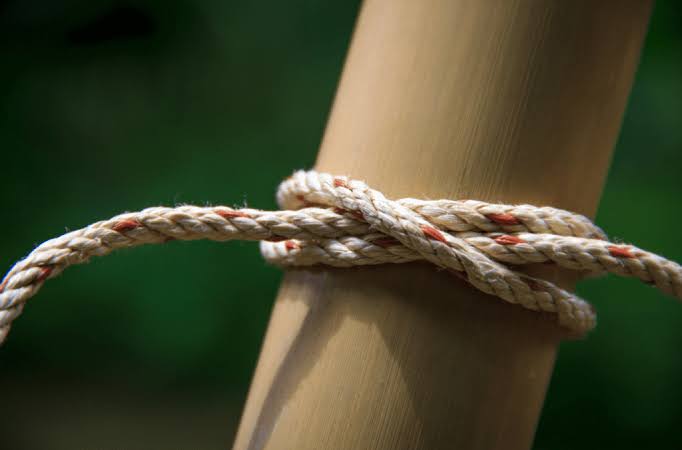
You’re out in nature, right? Maybe you’re deep in the woods, high on a mountain, or just enjoying a quiet campsite. Suddenly, you need to set up a tent because a storm’s rolling in, or you’ve got to lower yourself down a tricky slope, or perhaps you just need to tie down your gear so it doesn’t go flying. What helps you do these things safely and well? Knots, my friend. Knowing the right knots isn’t just a cool skill; it’s a must-have for anyone who spends time outdoors. It’s like having a secret superpower in your fingertips!
Let’s get real for a second. Good knots keep you safe. They make your work a heck of a lot easier. And honestly, in a pinch, they can even save your life. When we talk about “Best Knots for Shelter Building, Rappelling and Load Securing,” we’re really talking about picking the strongest, most reliable ways to tie ropes for specific jobs. Think about it: you’re tying a tarp to trees to make a quick roof – do you know which knot will hold best in the wind? Or you need to get down a steep hill with a rope – which one lets you trust your life to it? What about making sure your kayak stays put on your car roof, even on bumpy roads? Which knot keeps your stuff from falling off your truck? The best knots are simple to tie, super strong when pulled, and easy to untie when you’re done. They match the job perfectly, like a key fitting a lock. It’s all about being prepared and confident, no matter what Mother Nature throws your way.
What Makes a Knot Good for Outdoor Use?
So, you might be thinking, “A knot’s a knot, right?” Well, not quite! Let me tell you, not all knots are created equal. A good outdoor knot has specific features that make it reliable and safe for a whole bunch of tasks. It’s not just about tying two ends together; it’s about trust and performance.
First off, a great outdoor knot has to hold strong under pressure without slipping. Imagine tying down your tent in a gale – you need that knot to grip like crazy! It also needs to be easy enough to tie, even when your hands are cold or tired, and just as easy to untie when you’re done. Nobody wants to spend twenty minutes wrestling with a knot that’s decided to become a permanent fixture. Plus, and this is super important, a good knot shouldn’t weaken the rope too much. Some knots can really pinch and stress the rope fibers, reducing its strength significantly. We want knots that are kind to our ropes while still doing their job perfectly. It’s a delicate balance, but totally achievable with the right knowledge.
Knots for Shelter Building: Your Outdoor Home
When you’re out there, sometimes your best bet for comfort and safety is a quick, sturdy shelter. Building a shelter needs knots that are quick to set up, strong, and adjustable for stability against whatever weather comes your way. You want something that’s going to stand firm, come rain or shine, and give you that peace of mind.
Think about it: you need knots to firmly anchor your shelter to a tree or stake, making sure it doesn’t fly away in a gust of wind. And you also need to adjust the tension of your tarp lines to keep them taut. A saggy tarp is a leaky tarp, and nobody wants that! For anchoring, a Bowline is your best friend. It creates a super strong, non-slipping loop at the end of a rope, perfect for securing to a tree or stake. It’s often called the “king of knots” for good reason – it’s reliable and easy to untie even after bearing a heavy load. For those adjustable lines, you absolutely need the Taut-line Hitch. This knot lets you slide the rope to tighten or loosen your guy lines, keeping your tarp drum-tight and shedding water like a champ. It’s a game-changer for maintaining a stable shelter. And for quick attachments to poles or branches, a Clove Hitch can be really handy, though you’ll want to back it up for anything critical. These knots work together to give you a secure, adjustable, and reliable outdoor home, no matter where you pitch it.
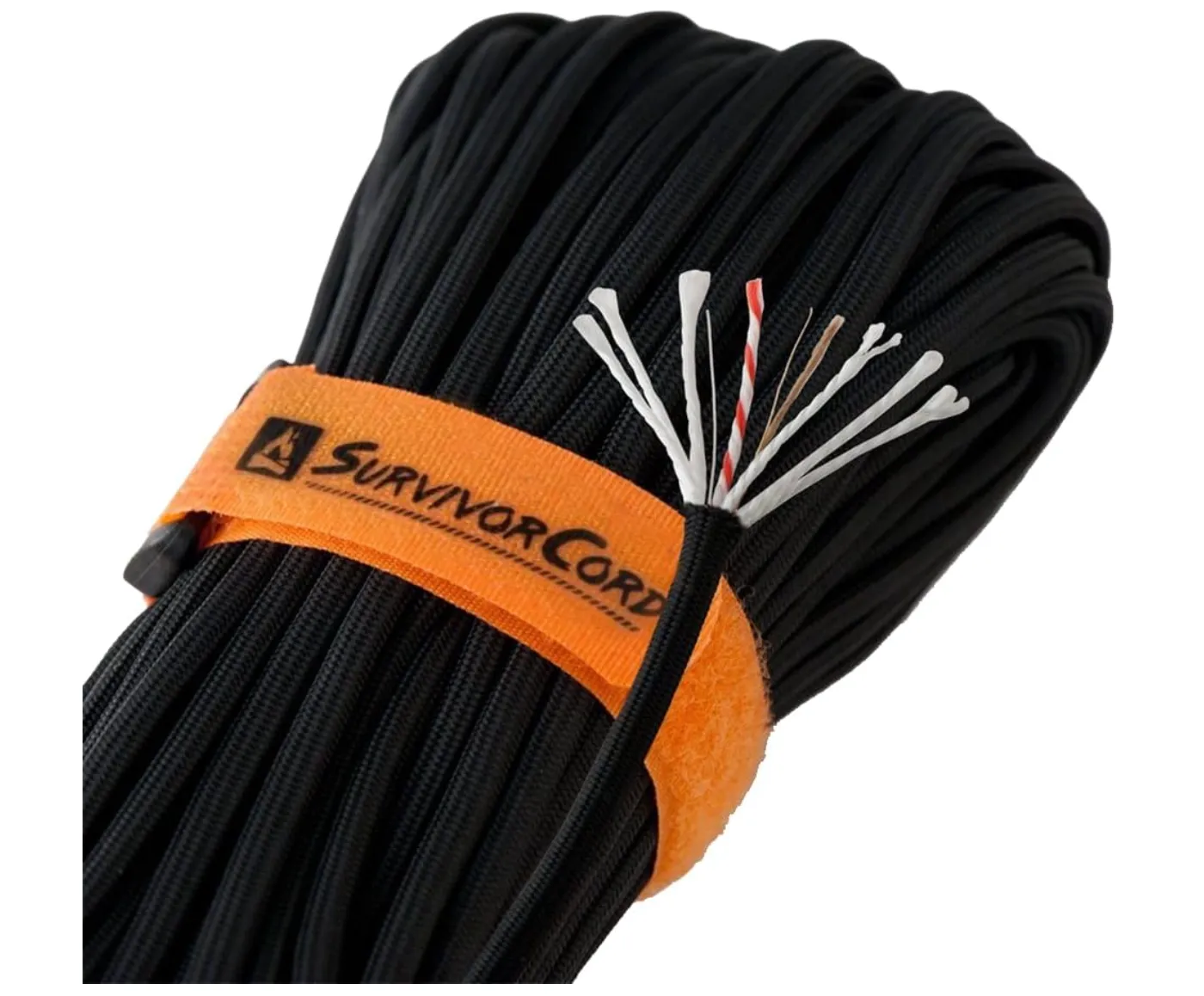
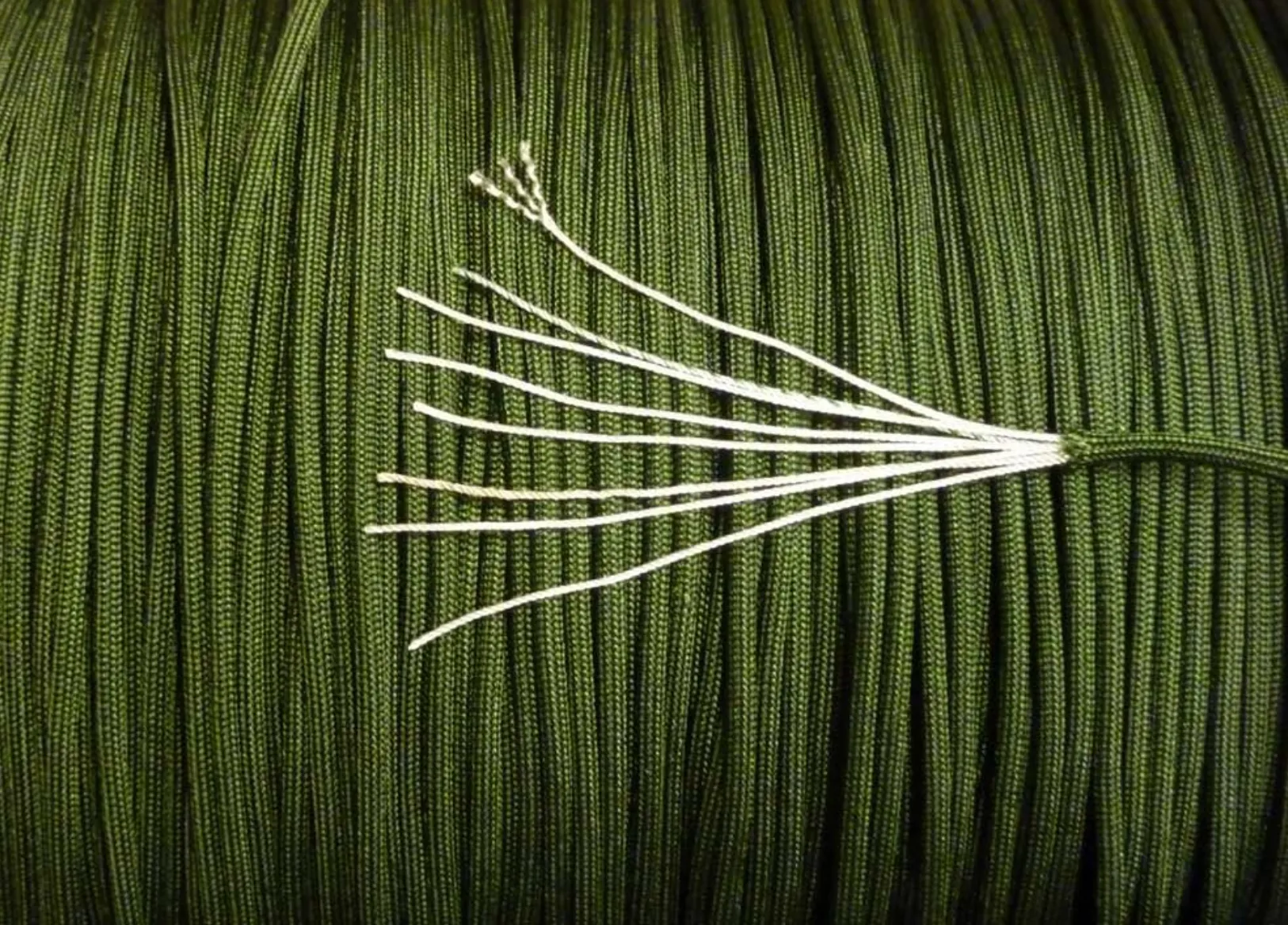
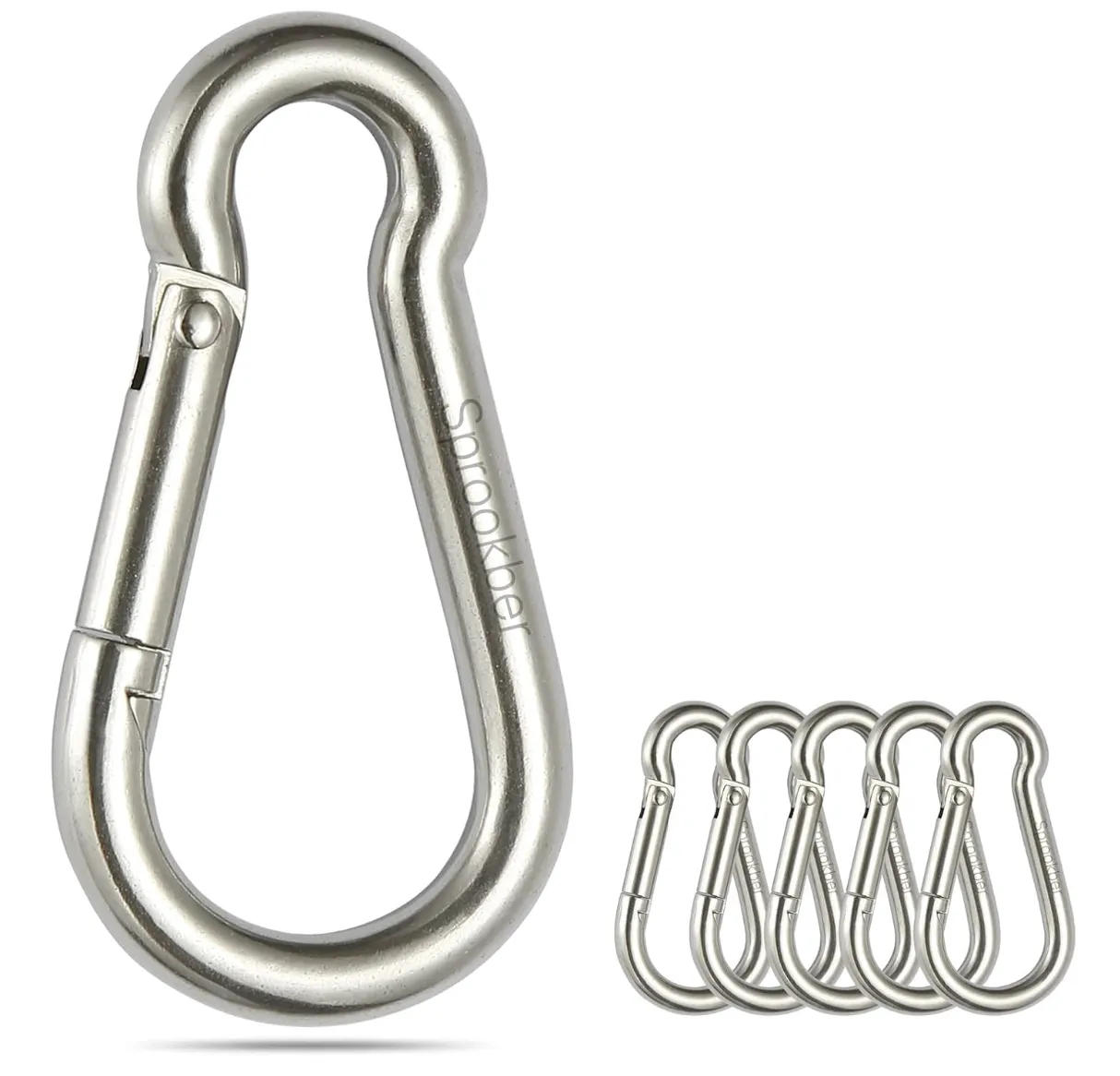
Knots for Rappelling: Safe Descents
Now, let’s talk about something a bit more serious: rappelling. This is where knots aren’t just about convenience; they’re about your life. Rappelling demands knots that are absolutely secure and will not fail under body weight, because, well, your safety literally depends on them. There’s no room for error here, so you need to know your stuff inside and out.
Connecting your rope to an anchor point requires extreme strength and reliability. You’re putting all your trust in that connection! The Figure-Eight Follow Through is the gold standard here. It’s incredibly strong, easy to inspect, and doesn’t slip. You’ll use it to tie directly into your harness or to create a bombproof anchor loop around a tree or rock. It’s a knot you can truly bet your life on. What if you need a longer descent and have to join two ropes? That’s where the Double Fisherman’s Bend comes in. This knot is renowned for its incredible strength and compactness, meaning it’s less likely to snag as it passes through your rappel device. It’s a bit trickier to tie and untie, but its security is unmatched for joining ropes under load. Remember, when it comes to rappelling, practice isn’t just good, it’s essential. You need to be able to tie these knots perfectly every single time, without thinking twice. Your life, and maybe even your buddy’s, could depend on it.
Knots for Load Securing: Keeping Things Tight
Okay, let’s shift gears to something a bit less dramatic but equally important: securing your gear. Whether you’re hauling firewood, strapping down a kayak, or making sure your camping cooler doesn’t bounce out of your truck bed, securing items needs knots that grip firmly, prevent movement, and can create and hold high tension, even during travel. You don’t want your precious cargo becoming roadkill, do you?
Imagine tying down gear in a truck bed. You need knots that will not slip, even with bumps, turns, and vibrations, ensuring items stay put. The absolute champion for this is the Trucker’s Hitch. This isn’t just a knot; it’s a system that gives you mechanical advantage, letting you pull your rope incredibly tight, creating a super secure, non-slip tie-down. It’s fantastic for cinching down tarps, securing canoes, or really anything that needs to be snug and immovable. For quick, temporary securing around an object, like bundling firewood or securing a tent pole, a Clove Hitch can be useful, especially when backed up with a Half Hitch. And for simply tying off the end of a rope around a rail or a bundle, Two Half Hitches are simple, effective, and reliable. The key here is tension and friction. You want knots that bite into the rope and whatever they’re tied around, holding everything in place no matter how rough the ride gets. Trust me, a properly secured load makes for a much less stressful journey.
Choosing the Right Knot: A Simple Guide
Alright, so we’ve talked about a bunch of awesome knots for different situations. But how do you know which one to pick? Matching the knot to the specific task is absolutely key for safety and efficiency in any outdoor activity. It’s like choosing the right tool for the job – you wouldn’t use a hammer to drive a screw, right?
Think about it: a knot for a temporary tarp is very different from one for a life-critical descent. They require different levels of strength, adjustability, and ease of untying. For something temporary, you might prioritize speed and ease of untying, like a Taut-line Hitch for a guy line. But for something where your life is on the line, like rappelling, you’re going to prioritize absolute security and strength, even if it takes a little longer to tie and untie, like the Figure-Eight Follow Through. You also need to consider the type of rope you’re using, the load it will bear, and environmental factors like wetness or ice. A good rule of thumb is to always choose the simplest knot that will do the job safely and effectively. Over-complicating things can lead to mistakes. Always ask yourself: “How strong does this need to be? How easy does it need to be to untie? Is my life, or someone else’s, depending on this?” Answering these questions will guide you to the perfect knot every time.
Conclusion
So, there you have it! Knowing the right knots for building shelters, rappelling safely, and securing your loads makes your outdoor trips much, much safer and a whole lot easier. It’s not just about memorizing a few patterns; it’s about understanding the principles behind them and applying that knowledge wisely. It’s a skill that truly empowers you in the wild.
My biggest piece of advice? Practice these knots often. Seriously, grab a piece of rope while you’re watching TV or having your coffee. The more you practice, the more muscle memory you build, and the more confident you’ll become. Your skill with rope is a valuable asset for any adventure you take, whether it’s a weekend camping trip or a multi-day expedition. Keep practicing, stay safe out there, and enjoy the great outdoors with the confidence that you’ve got the ropes mastered!