Hey there, fellow adventurer! Ever found yourself out in the wild, maybe camping or hiking, and wished you knew how to tie that rope better? Well, you’re in the right place! We’re about to dive into the 10 essential survival knots every outdoorsman (or woman!) absolutely must know. These aren’t just any old ways to tie a rope; they’re super strong, incredibly useful, and frankly, lifesavers when you’re far from help. They’re your secret weapon for staying safe and solving all sorts of outdoor puzzles.
Imagine needing to hang your food bag high to keep those curious critters away. A good, reliable knot is what’s going to hold it tight. Or maybe the sky opens up, and you need to whip up a quick shelter. Knots are what’ll help you lash those poles together in a flash. If someone gets hurt, you might even need to fashion a sling or secure a splint. These knots? They’re for those crucial moments.
Do you know how to tie a rope so it absolutely won’t slip? Can you make a loop that gets tighter the more it’s pulled? What if you need to join two ropes that are totally different sizes? Knowing these knots isn’t just a cool party trick; it gives you a heck of a lot of power and confidence when you’re out in nature. These 10 essential survival knots are key skills, letting you use rope for many important tasks, keeping you safe and helping you handle tough outdoor situations.
What Makes a Knot Essential for Survival?
So, what exactly elevates a simple rope tie to an “essential survival knot”? It’s all about performance under pressure, my friend. A true survival knot isn’t just strong; it’s a rope tie that works flawlessly when your life, or someone else’s, might literally depend on it. Think about it: you need a knot that’s easy to tie, even if your hands are cold, wet, or a bit shaky from adrenaline. And just as important, it needs to be simple to untie when you’re done with it, without needing a knife or a lot of fuss. These aren’t the kind of knots that slip or fail when you’re counting on them most. They’re chosen specifically because they’re incredibly reliable and serve very clear, critical purposes in an emergency. They offer you security and a huge dose of peace of mind when you’re miles from the nearest help. You’re relying on them to hold, to secure, and to keep things exactly where they need to be without you constantly having to check them. That’s the kind of trust you need in the wild.
What truly makes a knot essential is its ability to perform a specific job without fail, quickly and effectively. For example, some knots are absolute champions at joining two ropes together, others for creating a super strong, non-slip loop, and some for securing things tightly to an anchor point. They simply have to hold weight, resist movement, and be quick to make and undo. An essential knot isn’t just a piece of rope; it’s a trusted tool in your outdoor toolkit. It’s a skill that lets you use your rope wisely for everything from building a sturdy shelter to performing a rescue, or even just carrying your gear more efficiently. It’s about making your rope an extension of your problem-solving ability in the wild, turning a simple length of cord into a versatile instrument for survival.
Before You Tie: Understanding Rope and Safety
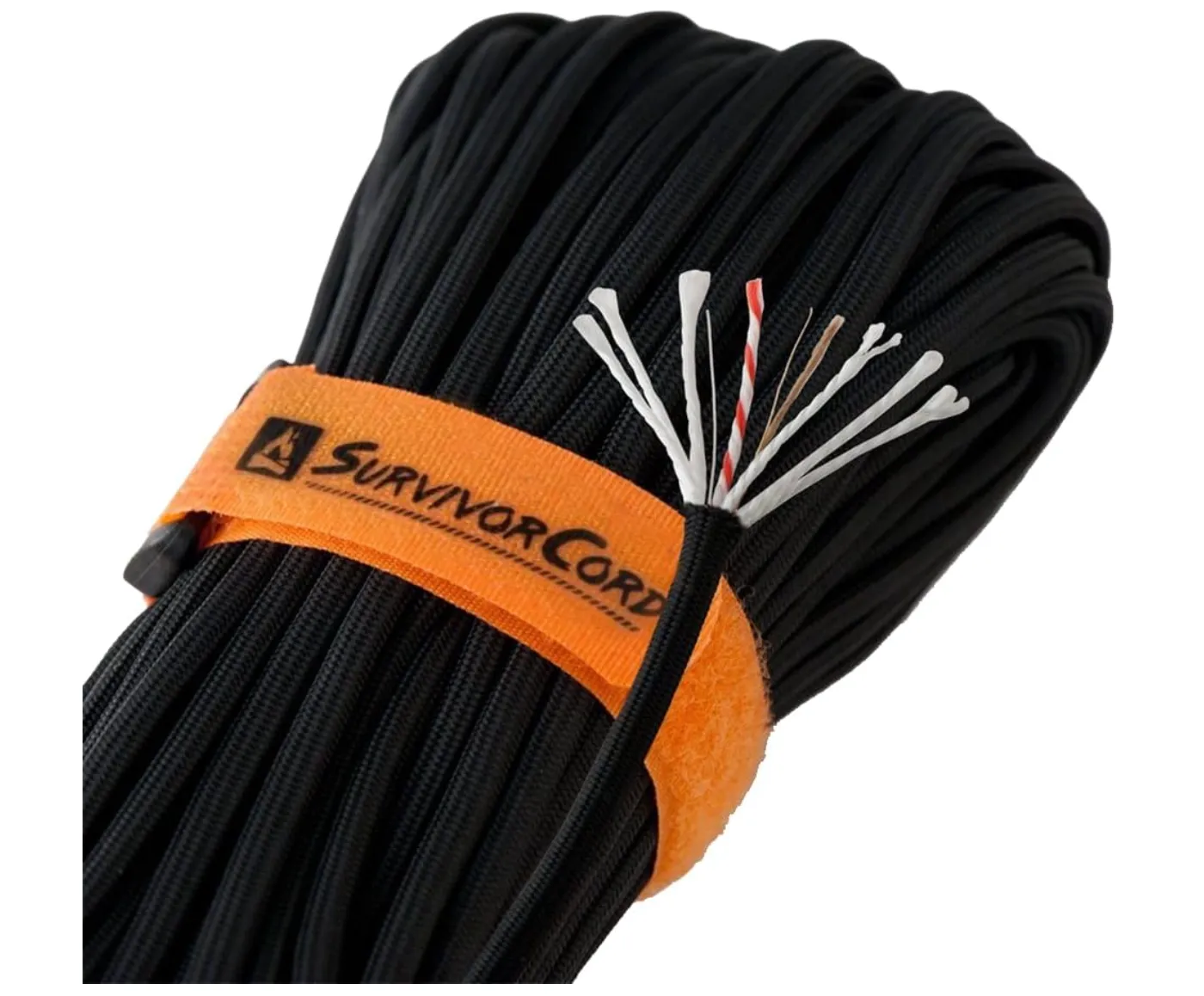
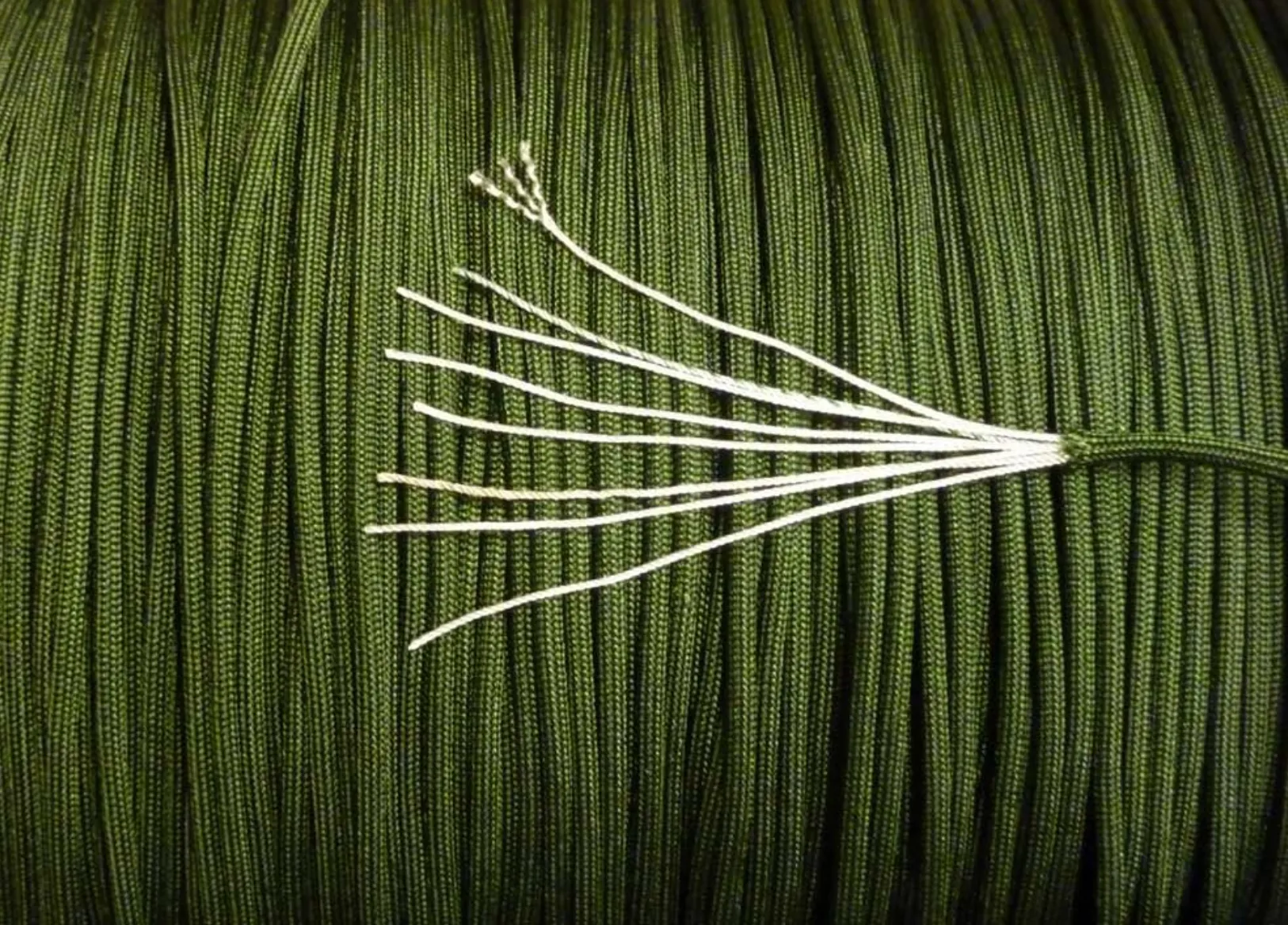
Before we even get to tying those awesome knots, let’s chat about your rope itself. When you head out into nature, the rope you choose to carry matters a heck of a lot. Not all ropes are created equal, you know? Some ropes are super strong but can be a bit heavy. Others are light but might not hold much weight. You really need to pick a rope that fits what you’re planning to do. For most general outdoor adventures, a good all-around rope is often made of nylon or polyester. Make sure it’s strong enough for your body weight if there’s even a chance you might need to pull yourself up or secure a heavy load. And here’s a big one: always, always check your rope for any cuts, frayed spots, or weak areas before you use it. A damaged rope isn’t just unreliable; it’s a dangerous rope.
Using ropes, especially when there’s tension involved, needs a good dose of care and common sense. Never, ever stand directly under a heavy load that’s being held by a rope. Always test your knots with a small, gentle pull before you put your full weight or a heavy load on them. Be super careful not to let your rope rub against sharp rocks, rough edges, or anything that could cut or fray it. When you’re tying knots, keep your fingers clear. A rope under tension can snap back fast. Always take a moment to think about what would happen if your knot failed. If the situation is serious or high-stakes, always have a backup plan or tie a second safety knot.
And finally, to make sure your trusty rope lasts for years of adventures, you’ve got to take good care of it. After you use it, especially if it’s been on the ground, clean off any dirt, mud, or grit. Then, and this is important, let it dry completely before you coil it up and put it away. A wet rope can get moldy, smelly, and actually weaken over time. Coil your rope neatly so it doesn’t get tangled into a frustrating mess when you need it next. Store it somewhere cool and dry, away from direct sunlight and harsh chemicals. Good rope care means your rope will be strong, reliable, and ready to go when you need it most.
The 10 Essential Survival Knots You Must Master
Alright, you’ve got your trusty rope, you know the safety rules, and you’re ready to dive in! This next section is where the magic happens. We’re going to walk through the 10 most important knots you absolutely need to master for your outdoor adventures. Each one has a clear, vital purpose and will be your best friend in different outdoor situations. Get ready to learn some serious skills!
1. Bowline Knot
This knot makes a strong loop that doesn’t slip. It’s very useful for tying a rope around something, like a tree, to make an anchor. You can also use it to make a loop for someone to step into for rescue. It’s reliable and easy to untie even after holding heavy weight.
2. Figure-Eight Knot
This is a simple stopper knot. You tie it at the end of a rope to stop it from slipping through a hole or a pulley. It’s bigger and stronger than a simple overhand knot. It’s also easy to see and untie, making it a fundamental knot for safety.
3. Clove Hitch
The Clove Hitch is quick to tie around a pole or a post. It’s good for securing a rope temporarily, like tying down a tarp or holding something in place. It holds well with constant tension but can slip if tension changes. A fast and simple knot for many camp tasks.
4. Two Half Hitches
This knot secures a rope to a pole or ring. It’s two Clove Hitches tied one after the other, making it more secure and less likely to slip. Use it to tie a boat or secure a tent line. It’s a strong and dependable knot for tying things down.
5. Taut-Line Hitch
This special knot lets you adjust rope tension. You can slide it up and down the main line to make the rope tighter or looser. Perfect for tent guy lines or securing a tarp so it stays tight. A must-have for setting up adjustable shelters.
6. Square Knot (Reef Knot)
Used to tie two ropes of the same size together. Good for tying bandages or securing bundles. Easy to tie and untie. But, it’s not safe for critical loads or different sized ropes, as it can slip. Use for light tasks only.
7. Sheet Bend
When you need to join two ropes of different sizes, the Sheet Bend is the knot. It works well even with slippery ropes. Stronger and more reliable than the Square Knot for this purpose. Use it to extend a short rope with a longer one.
8. Prusik Knot
A friction hitch tied with a loop around a larger rope. When weighted, it grips tightly. When weight is off, you can slide it. Vital for climbing, rescue, or making a foot loop to climb a rope. Key for vertical movement and safety.
9. Water Knot (Ring Bend)
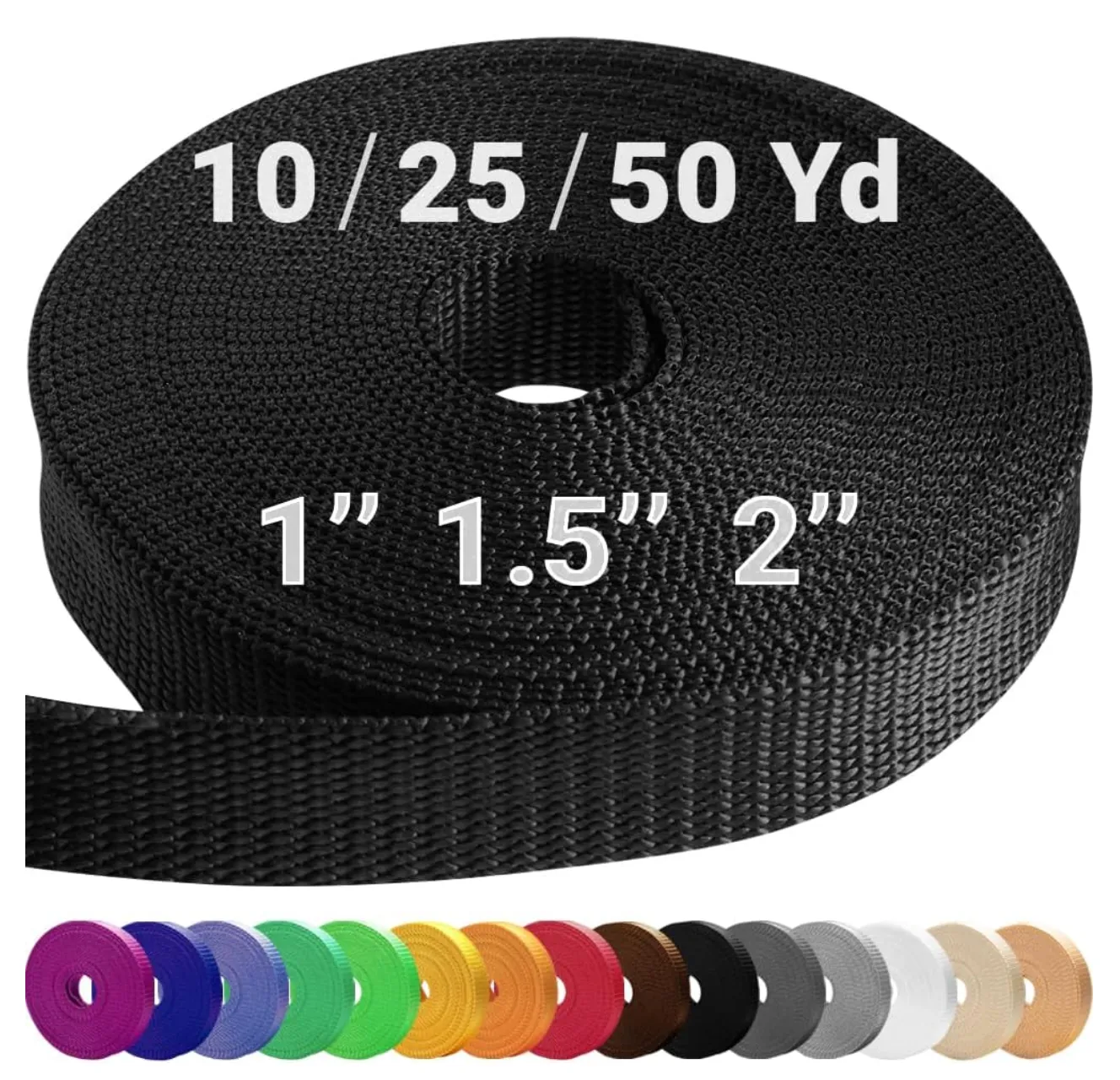
Used to join two pieces of flat webbing. Webbing is common in climbing harnesses. This knot is very strong and reliable for webbing. Make sure the tails are long enough after tying to prevent it from coming undone. Critical for outdoor webbing use.
10. Trucker’s Hitch
Creates a powerful pulley system, letting you get a lot of tension with little effort. Perfect for securing heavy loads, tightening a clothesline, or making a strong tarp ridge line. Gives you mechanical advantage for very tight pulls.
Practice Makes Perfect: How to Get Good at Knot Tying
Learning these knots isn’t a one-and-done deal; it’s a journey, and practice is your best friend! When you’re just starting out, don’t try to tackle all ten knots at once. That’s a recipe for frustration! Instead, pick one or two of the easier ones first, like the Figure-Eight or the Bowline. Tie them over and over again until you can do it without even looking, almost by feel. Use a piece of rope that’s comfortable to handle – not too thin that it’s fiddly, and not too thick that it’s cumbersome. Once you’re really good at the simple ones, then, and only then, move on to the next knot. This way, you’ll build your skills step by step, feeling confident with each new knot you master.
And here’s a pro tip: don’t just practice sitting comfortably at a table. That’s not real-world! Try tying knots with your eyes closed. Seriously, give it a shot. Try tying them with just one hand. Practice when your hands are cold, or even a little bit wet. These are exactly the kind of real-life conditions you might face when you’re out in the wild, and you’ll be so glad you prepared. The more you practice in different, less-than-ideal situations, the faster and more reliable your knot tying will become when it truly matters. Keep a short piece of rope with you – maybe in your backpack or even your pocket – so you can practice any time you have a few free minutes.
It’s not enough to just know how to tie a knot, though. To become a true knot master, you should really understand why it holds. What is it about the way the rope crosses itself that makes it strong? What prevents it from slipping? Knowing the purpose of each loop, tuck, and turn helps you tie it correctly every single time, without guesswork. It also helps you spot mistakes if something doesn’t look quite right. When you truly understand the mechanics of a knot, you can trust it implicitly, and you might even figure out how to adapt it or use it in new, creative ways. That deep understanding is what separates a knot-tier from a knot-master.
Conclusion
So there you have it! Knowing these 10 essential knots isn’t just a neat skill; it gives you a huge advantage and a massive boost of confidence in the outdoors. They’re not just pieces of rope; they’re versatile tools that help you build shelters, secure your gear, and most importantly, stay safe. From making a cozy camp to potentially helping someone in a tricky situation, these knots are absolutely key skills for any time you’re away from the comforts of home.
Please, take the time to learn and practice these knots. Don’t put it off! Your skill with a rope can genuinely be the difference-maker in a tough situation. Be ready, be safe, and go out there and enjoy your time outside with newfound confidence. Happy knotting, my friend!