
Hey there, friend! Let’s chat for a bit, maybe over a virtual coffee. You know how city life is, right? It’s a whirlwind of activity, always something happening, always on the go. But sometimes, amidst all that hustle and bustle, life throws us a curveball. I’m talking about those unexpected moments – a sudden power outage that lasts longer than a few hours, a big storm that makes getting around impossible, or even just a local issue that disrupts our daily routine. When these things happen, our vibrant urban landscape can suddenly feel a little less predictable, a little more challenging. And in those moments, your apartment, that cozy spot you call home, should be more than just a place to crash. It should be your sanctuary, your safe haven when the outside world gets a bit wild.
Now, I know what you might be thinking: “Emergency prep? Isn’t that for doomsday preppers in bunkers?” And honestly, I get it. The idea can sound a bit intense. But let’s get real for a second. Getting your home ready for these kinds of times isn’t about living in fear or imagining the worst-case scenario every day. Not at all! It’s actually about being smart, being proactive, and giving yourself and your loved ones a huge sense of peace and security. It’s about knowing you can handle things, big or small, even when those normal, everyday services we all rely on suddenly decide to take a break. Think of it as your personal superpower for urban living.
So, what exactly do I mean by “Apartment Emergency Prep: Your Urban Sanctuary Survival Plan”? Well, it’s pretty much what it sounds like. This isn’t some complicated, military-grade operation. It’s a thoughtful, step-by-step approach to making your apartment a strong, safe, and self-sufficient spot. It means having the right stuff, knowing the right moves, and feeling confident that you can stay okay and comfortable right where you are, even if outside help is slow to arrive or just isn’t there for a while. It’s your personal blueprint for keeping calm and safe, right in your own home, no matter what the city throws your way.
Let’s paint a picture with a few real-life examples, because these things happen, you know? Imagine a huge storm rolls through, and suddenly, the lights go out. Not just for an hour, but for days. No lights, no fridge, no way to cook a hot meal. Or maybe a water pipe bursts in your building, and you’re told you need to leave your apartment fast. What then? Do you have what you need to grab and go? Or perhaps there’s a city-wide event, and for safety, everyone’s advised to stay inside for a while. Are you set up to hunker down comfortably, without feeling stressed about basic necessities?
These scenarios aren’t meant to scare you, but they do bring up some important questions, don’t they? Are you truly ready if the lights go out for a long, long time? What if you can’t just pop down to the store for food or water because the roads are blocked or the shelves are empty? Do you honestly know what to do, or what to grab, if you need to leave your home quickly, with only minutes to spare?
Again, this isn’t about being scared or dwelling on “what ifs.” It’s about peace of mind. It’s about taking small, clear, manageable steps today so you can feel prepared and confident tomorrow. It’s about turning those “what ifs” into “I’ve got this.”
In a nutshell, “Apartment Emergency Prep: Your Urban Sanctuary Survival Plan” means making sure your apartment has everything you need – from basic supplies to a clear head – to stay safe, comfortable, and resilient when emergencies happen. It’s about transforming your everyday living space into your strong, safe spot, your personal urban fortress, right in the heart of the city. Ready to dive in?
What is Your Apartment Emergency Prep Plan?
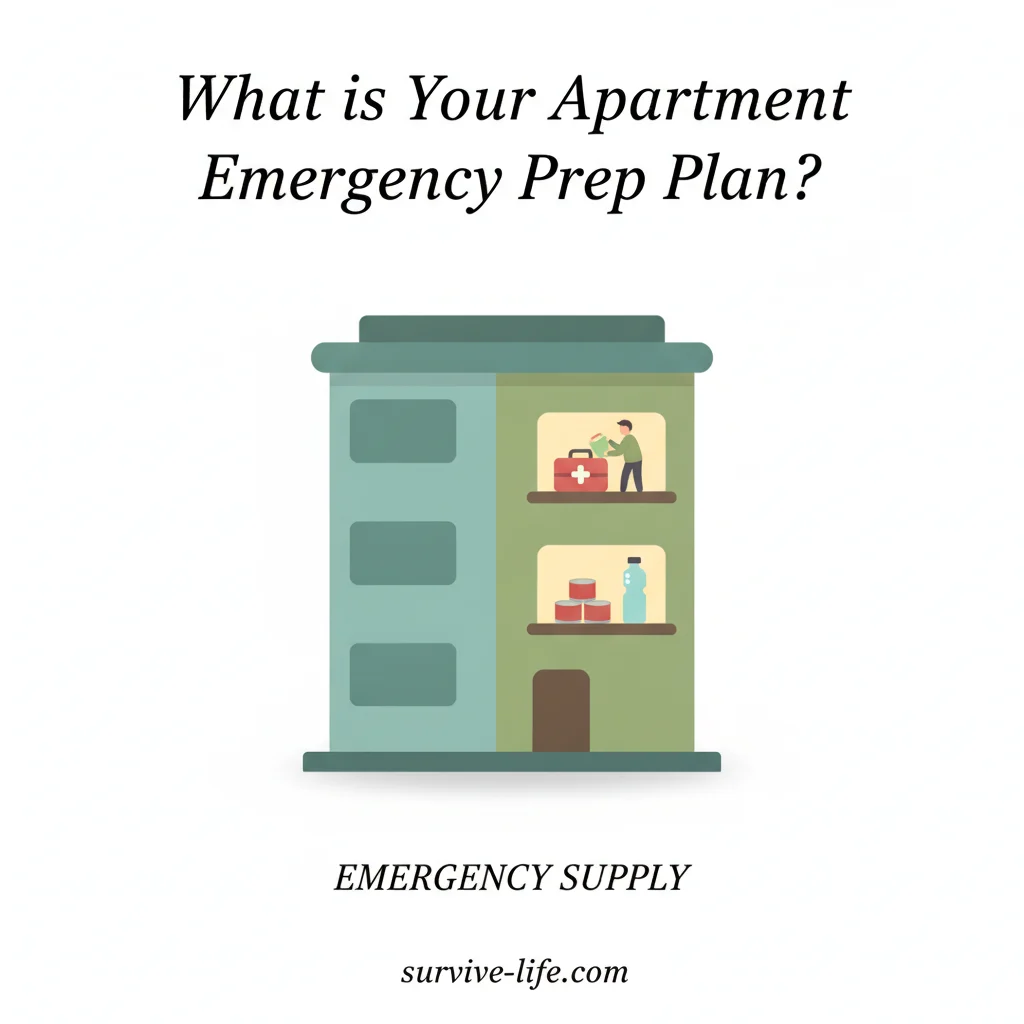
Alright, so before we start gathering gadgets and gizmos, let’s just get clear on what “emergency preparation” actually means when you’re living in the city. Because, let’s be honest, it’s a little different from prepping if you live out in the sticks, right? For us urban dwellers, it’s not just about having a bunch of stuff stashed away. It’s about a mindset, a strategy, and a practical approach to keeping your life as normal as possible when the unexpected hits.
Think of it this way: your apartment emergency prep plan is essentially your personal playbook for when the usual city services – like electricity, running water, internet, or even easy access to grocery stores – suddenly decide to take a vacation. It’s about understanding that in a dense urban environment, help might be stretched thin, and you might need to rely on yourself and your immediate community for a little while. It means having the right supplies on hand, yes, but it also means knowing what to do, who to call (if you can!), and how to adapt when your usual routines are disrupted. It’s about being self-sufficient enough to weather the initial storm, whatever that storm might be, until things get back to normal. It’s your way of saying, “Okay, city, hit me with your best shot – I’m ready!”
Building Your Basic Emergency Kit
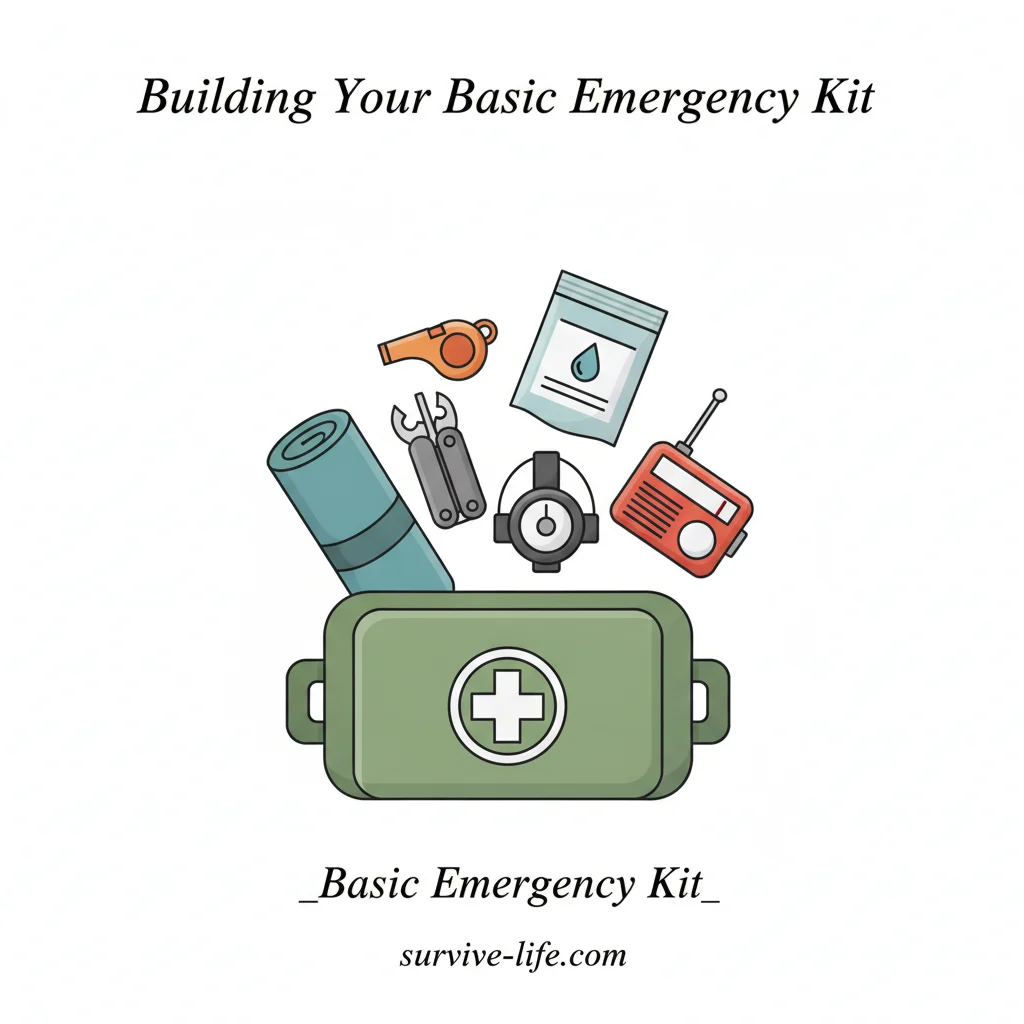
Now, let’s talk about the heart of any good prep plan: your emergency kit. This isn’t about hoarding; it’s about smart, essential gathering. Think of it as your apartment’s “survival starter pack.” You’re aiming for a collection of items that will keep you fed, hydrated, healthy, and reasonably comfortable for at least 72 hours, if not longer. Why 72 hours? Because that’s often the minimum timeframe emergency services suggest you should be able to fend for yourself before significant outside help can arrive and be fully operational in a widespread event.
So, what absolutely needs to be in there? First up, water. This is non-negotiable, my friend. You need at least one gallon of water per person, per day, for drinking and basic hygiene. For a 72-hour period, that’s three gallons per person. And don’t forget your furry friends if you have them! Store it in clean, sealed containers. Next, non-perishable food. Think canned goods (with a manual can opener!), protein bars, dried fruit, nuts, and peanut butter. Stuff that doesn’t need cooking or refrigeration and has a long shelf life. Rotate these items every six months to a year to keep them fresh.
A well-stocked first-aid kit is also a must-have. We’re talking bandages, antiseptic wipes, pain relievers, any prescription medications you or your family need (with a week’s supply), and maybe even some basic tools like tweezers or small scissors. You’d be surprised how quickly a minor cut can become a bigger problem without proper care. And finally, reliable light sources. Forget relying on your phone’s flashlight – that battery won’t last! Stock up on flashlights (with extra batteries, of course), headlamps, and maybe even some battery-powered lanterns. Candles can be an option, but they come with fire risks, so use them with extreme caution and never leave them unattended. A hand-crank or solar-powered radio is also a brilliant idea to stay informed if the power and internet are down. These are your absolute basics, your foundation for feeling secure.
Power Outages and Home Safety
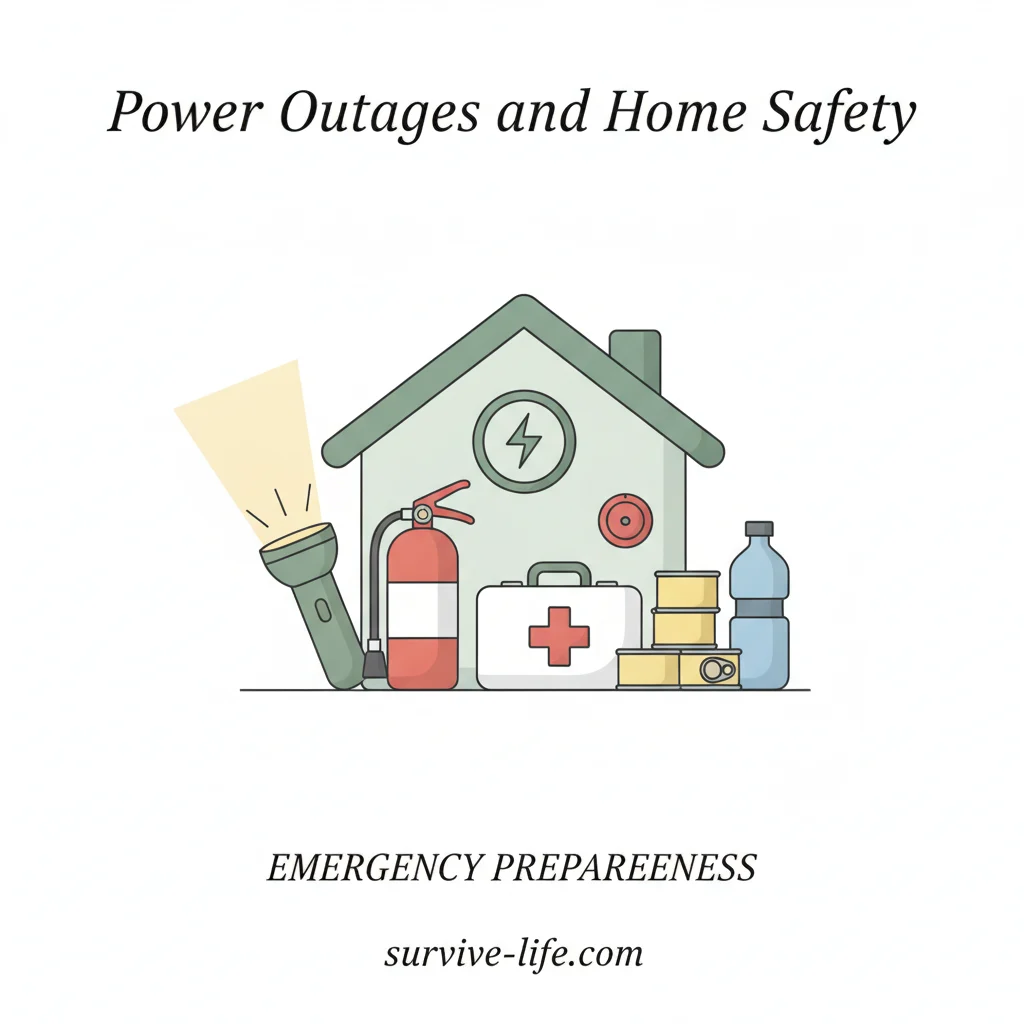
Okay, let’s face it: a power outage in the city can feel pretty jarring. Suddenly, your smart home isn’t so smart, your fridge is just a big box, and the silence can be deafening. But with a little prep, you can manage without electricity and keep your home safe and sound. The key here is to think about what you rely on power for and find alternatives.
First off, backup power is your best friend. We’re not talking about installing a whole-home generator in your apartment (though wouldn’t that be nice?). I mean practical, apartment-friendly solutions. High-capacity power banks are fantastic for charging your phone and other small devices. Get a few! Solar chargers can also be a lifesaver if you have a balcony or a sunny window. And remember those battery-powered lanterns and flashlights we talked about? They’re crucial here. Make sure you have plenty of fresh batteries stored in a cool, dry place. It’s also a good idea to keep your car’s gas tank at least half full if you have one, as it can be a charging station in a pinch.
Beyond just light and charging, home safety during a power outage is super important. Without electricity, things like your smoke detectors might still work on battery backup, but it’s always good to double-check their functionality regularly. If you’re using alternative heating or cooking methods, like a camping stove (only use these outside or with extreme ventilation, never indoors due to carbon monoxide risk!), or even just candles, fire safety becomes paramount. Have a working fire extinguisher readily accessible and know how to use it. Never leave open flames unattended, and keep them away from anything flammable like curtains or paper. Unplug sensitive electronics to protect them from power surges when the electricity eventually comes back on. And remember, if you’re in a high-rise, elevators won’t work, so be prepared for stairs! Thinking through these scenarios ahead of time can make a huge difference in keeping you and your apartment safe.
Water Woes and Sanitation Solutions
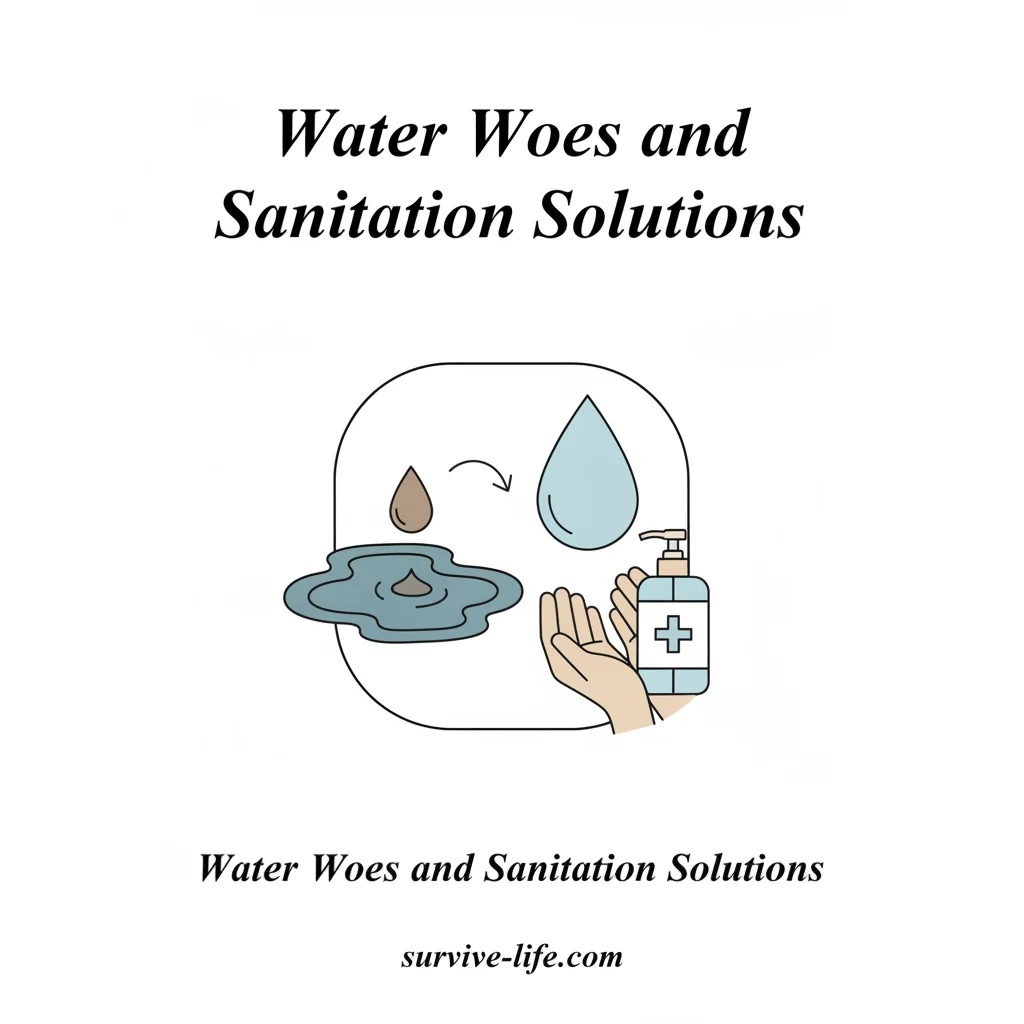
When the water stops flowing from your tap, that’s when things can get really uncomfortable, really fast. We use water for so much more than just drinking – cooking, washing, flushing the toilet. So, ensuring access to clean water and maintaining hygiene when services are down is absolutely critical for your health and comfort.
Let’s start with storing enough clean water. We already talked about the one gallon per person per day for 72 hours. But honestly, if you have the space, storing more is always a good idea. Large, food-grade water containers can be tucked away in a closet or under a bed. You can also fill your bathtub with water when an emergency is imminent (though this water is usually only good for washing, not drinking, unless you purify it). Beyond just storing, you’ll want ways to purify water if your stored supply runs low or if you need to use water from a questionable source (like that bathtub water). Water purification tablets are inexpensive and effective. A good quality water filter (like a Sawyer Mini or Lifestraw) is also a fantastic investment for your kit. Boiling water for at least one minute is another reliable method, assuming you have a way to boil it.
Now, for sanitation. This is often overlooked but so important for preventing illness. If your toilets aren’t flushing, you’ll need an alternative. A simple solution is to line a bucket with a heavy-duty trash bag, add some kitty litter or sawdust after each use to absorb waste and odors, and then seal and dispose of it properly when services resume. For personal hygiene, keep a supply of wet wipes, hand sanitizer, and dry shampoo. A small basin and a few gallons of stored water can be used for sponge baths. Remember, good hygiene is your first line of defense against sickness in an emergency. Don’t underestimate its importance!
Evacuation Ready: Your Go-Bag and Escape Routes
Sometimes, staying put isn’t an option. Whether it’s a fire in your building, a gas leak, or a directive from city officials, there might come a time when you need to leave your apartment, and fast. This is where being “evacuation ready” comes into play, and it’s all about having a plan and a packed bag.
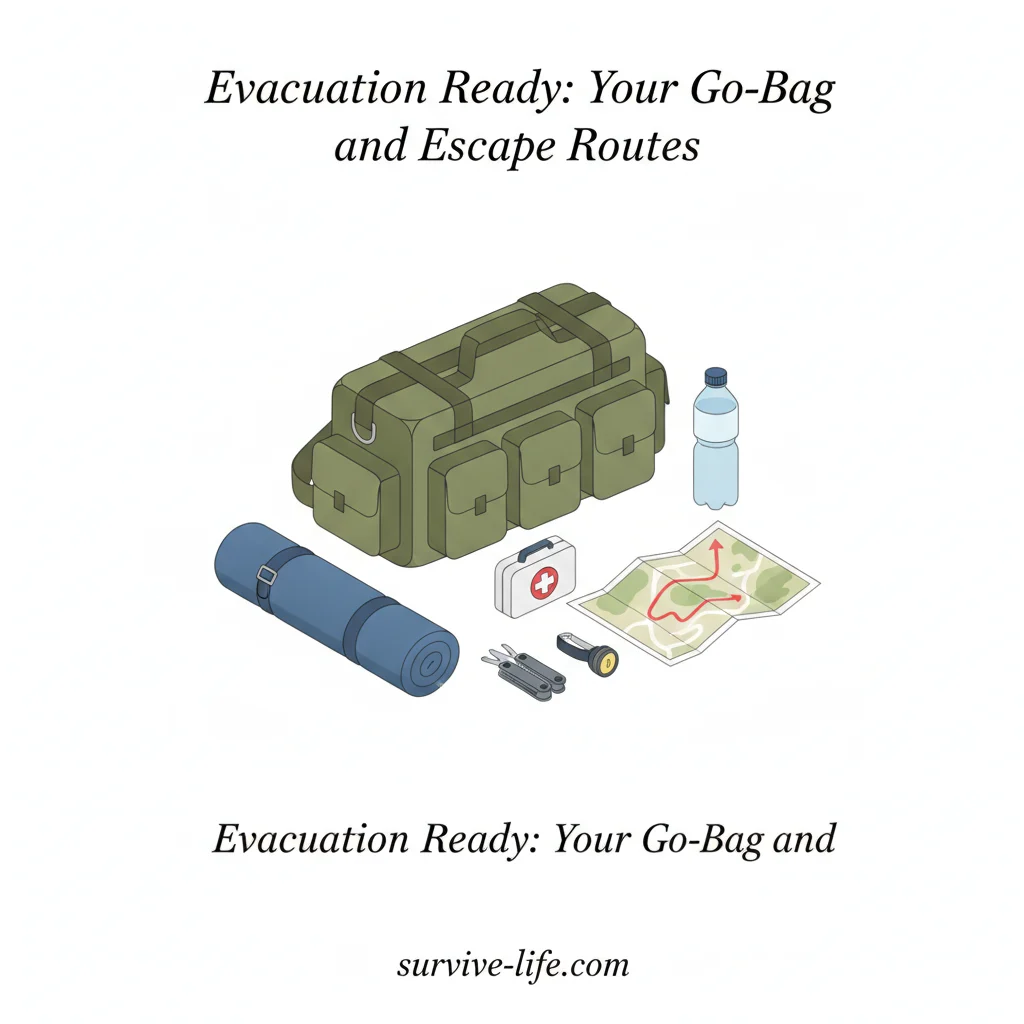
Your “go-bag” (sometimes called a bug-out bag) is your lifeline if you need to evacuate quickly. This isn’t your everyday backpack; it’s specifically packed with vital items you’d need for 24-72 hours away from home. Keep it easily accessible, perhaps by the front door or in a closet. What goes in it? Think essentials: a change of clothes, sturdy shoes, copies of important documents (ID, insurance, birth certificates – maybe even a small USB drive with digital copies), cash (small bills are best), a small first-aid kit, any necessary medications, a flashlight, a multi-tool, a whistle (to signal for help), some non-perishable snacks, and a bottle of water. Don’t forget a small comfort item for kids if you have them, and pet supplies if you have a furry friend! The idea is to grab it and go, knowing you have the basics covered.
Beyond the bag, you need to know your escape routes. This might sound obvious, but have you actually walked them? Know all the emergency exits from your building, not just the main one you always use. If you’re in a high-rise, know where the stairwells are and practice using them. Discuss a meeting point with your family or roommates outside the building, a safe distance away, so you can all account for each other. If you live on a higher floor, consider what you’d do if the stairs were blocked. While you can’t prepare for every single scenario, having a clear understanding of your building’s layout and multiple ways out can literally save lives. Don’t wait for an emergency to figure this out!
Mental Prep and Community Connections
We’ve talked a lot about physical supplies and plans, but honestly, one of the most crucial parts of any emergency prep is your mental game and your community connections. When things get tough, staying calm and knowing you’re not alone can make all the difference.
First, let’s talk about mental preparation. Emergencies are stressful, there’s no getting around that. But you can train your mind to react more calmly. How? By thinking through scenarios ahead of time, just like we’re doing now. Visualizing yourself successfully navigating a power outage or an evacuation can actually build mental resilience. Practice calm thinking: deep breaths, focusing on what you can control, and reminding yourself that this is temporary. Having a plan, like the one we’re building, is a huge part of this, because it replaces panic with purpose. Also, consider having some non-electronic entertainment on hand – books, puzzles, a deck of cards – to keep spirits up and minds occupied if you’re stuck inside for a while. Boredom and anxiety can be a tough combination.
And then there are your community connections. In a city, it’s easy to live anonymously, but an emergency is when those connections truly shine. Get to know your neighbors! Seriously, a friendly “hello” in the hallway can go a long way. Exchange contact information with a few trusted neighbors. Knowing who to check on in your building – maybe an elderly resident, someone with mobility issues, or a single parent – is incredibly important. You might be able to offer help, or they might be able to offer it to you. Forming a small, informal network within your building or on your block means you’re not facing challenges alone. It creates a sense of shared responsibility and mutual support, which is invaluable when outside resources are scarce. Remember, we’re stronger together, especially in a crisis.
Conclusion
So, there you have it, my friend – your blueprint for turning your apartment into that urban sanctuary we talked about. We’ve covered a lot of ground today, from building your essential emergency kit with water, food, and first aid, to handling those tricky power outages and water woes. We also talked about being evacuation-ready with your go-bag and knowing your escape routes, and perhaps most importantly, staying strong in your mind and connecting with your neighbors. Each of these steps, big or small, helps to fortify your apartment, making it a true haven when the unexpected happens.
This isn’t about being perfect overnight. It’s about progress, not perfection. My final thought for you is this: don’t get overwhelmed. Just start today with one small step. Maybe it’s buying an extra gallon of water, or checking the batteries in your flashlight, or simply saying hello to a neighbor you haven’t really spoken to before. Being ready isn’t about fear; it’s about empowerment. It helps you feel safe, strong, and in control in your urban home, no matter what comes your way. You’ve got this!