
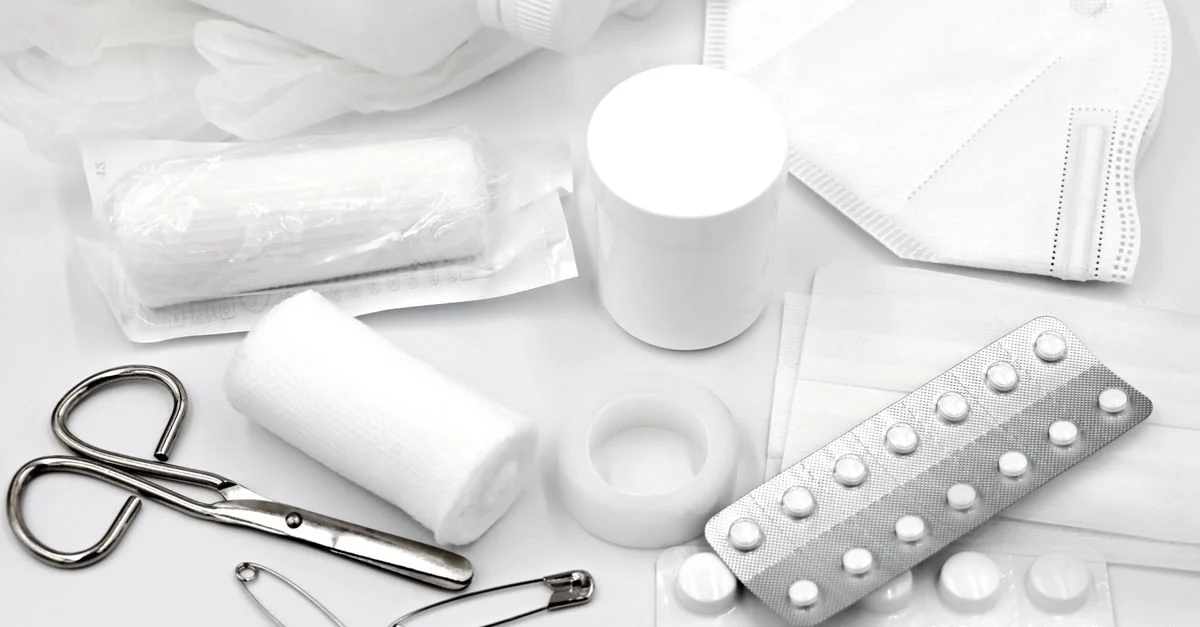
Natural disaster preparedness is just about getting ready for those unexpected curveballs life throws our way – big storms, floods, or even just a power cut that lasts a bit too long. It’s about having what you need and knowing what to do before things get chaotic. Think about folks who had to leave their homes fast because of a fire, or families stuck without power for days after an ice storm. Those who had a plan and a kit? They were safer, less scared. They knew their next steps. Do you know what you’d do if your power went out for a week? Or if you needed to leave your home in a flash? It’s not just for the big, scary stuff. Being ready helps you take care of yourself and your family. It’s simply making smart choices now for peace of mind later.
What is Natural Disaster Preparedness?
So, what exactly is natural disaster preparedness? Simply put, it’s taking smart, active steps before a bad event even thinks about happening. We’re talking about getting ready for all sorts of trouble: big storms, sudden floods, earthquakes, or those frustrating power outages that can stretch on for days. This readiness helps keep you, your family, and your home safe. It means you’re thinking ahead about what you might need and what you should do when things go sideways and normal life takes a pause. It’s not about living in fear, but about being wise and ready for problems that can pop up without a moment’s notice. You’re preparing for the unknown, so when it arrives, it feels less scary and more manageable. This proactive approach gives you a sense of control.
Being prepared covers a few key things. First, having an emergency kit ready to go with enough food, clean water, and basic first-aid supplies for several days. Second, a clear plan for how your family will talk and where you’ll meet if separated – super important because phones might not work! Third, knowing safe routes to leave your area if you need to evacuate quickly. And fourth, making your home safer before a disaster, like securing outdoor items or knowing how to turn off your home’s main utilities. All these steps work together to make you feel strong, confident, and ready for whatever emergency might come your way.
Why You Need a Plan: The Importance of Being Ready
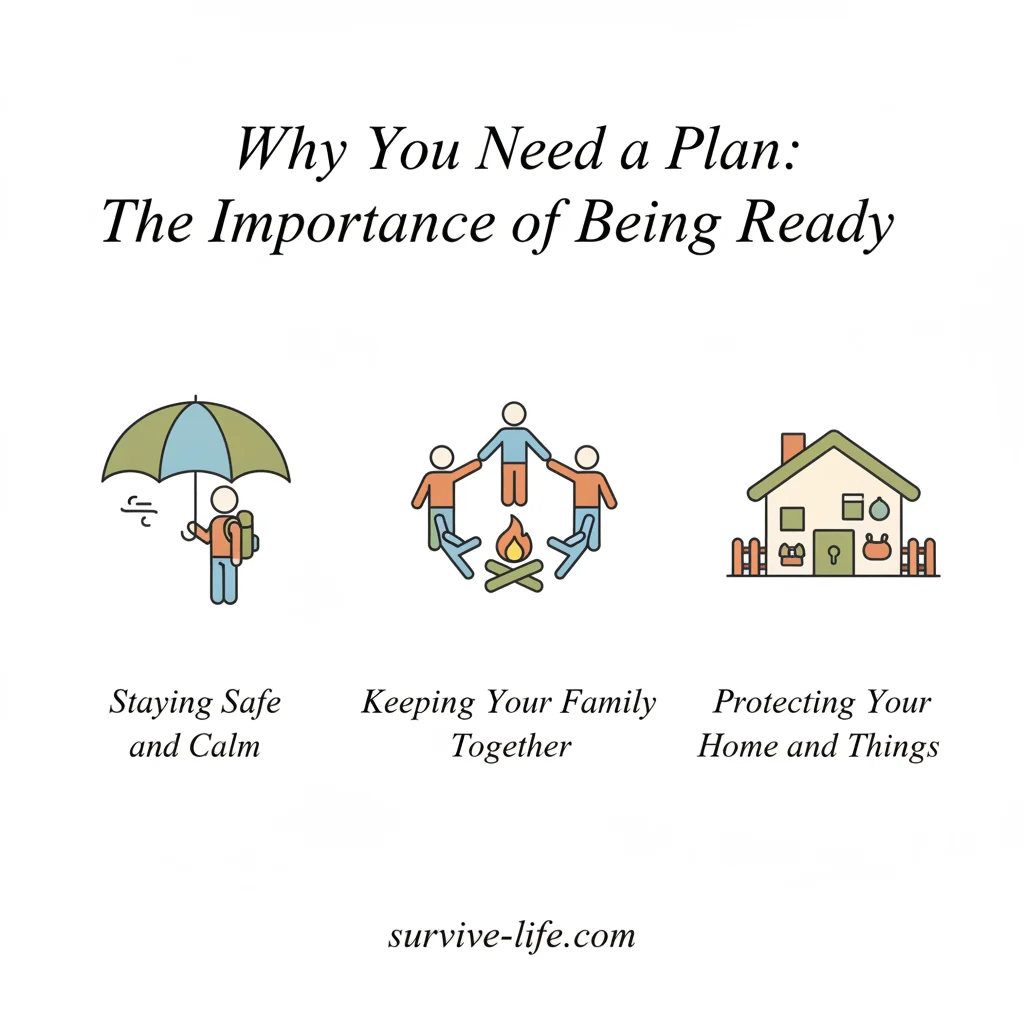
Staying Safe and Calm
When a disaster hits, things can get super confusing and scary, right? But if you’ve got a plan, you’ll know exactly what to do. This helps you stay calm, which is a huge deal. You won’t waste precious time wondering what step to take next. Knowing your plan means you can act fast to protect yourself and your family. It helps you think clearly when others might be panicking. A clear mind is your best tool in an emergency, allowing you to make good choices instead of being overwhelmed by fear. That peace of mind? It’s a big part of being ready, letting you focus on immediate needs.
Keeping Your Family Together
Emergencies can separate families in a flash. Schools might close, roads could be blocked, or phones might just stop working. That’s why a family communication plan is a lifesaver. You’ll decide on a meeting place right outside your home for sudden issues, and another one outside your neighborhood – maybe a park or a friend’s house – in case you can’t go home. You’ll also pick a contact person who lives far away, perhaps in another state. Everyone in your family should know their number. Why? Because even if local phones are down, it’s often easier to call long distance to check in. This plan is especially vital for kids, so they know what to do if you’re not with them.
Protecting Your Home and Things
Being ready also means taking steps to protect your home and your stuff. This could be simple things, like clearing gutters before a big rain to stop your yard or basement from flooding. Or, it could be more serious, like knowing how to turn off your main gas line or water supply if there’s a leak or a broken pipe. For strong storms, you might secure loose items outside, like patio furniture or trash cans, so they don’t become dangerous flying objects. These actions can prevent small problems from turning into big, expensive headaches. They help keep your home safe and reduce damage, saving you money and a whole lot of stress later on.
Building Your Emergency Kit: What You Need to Have
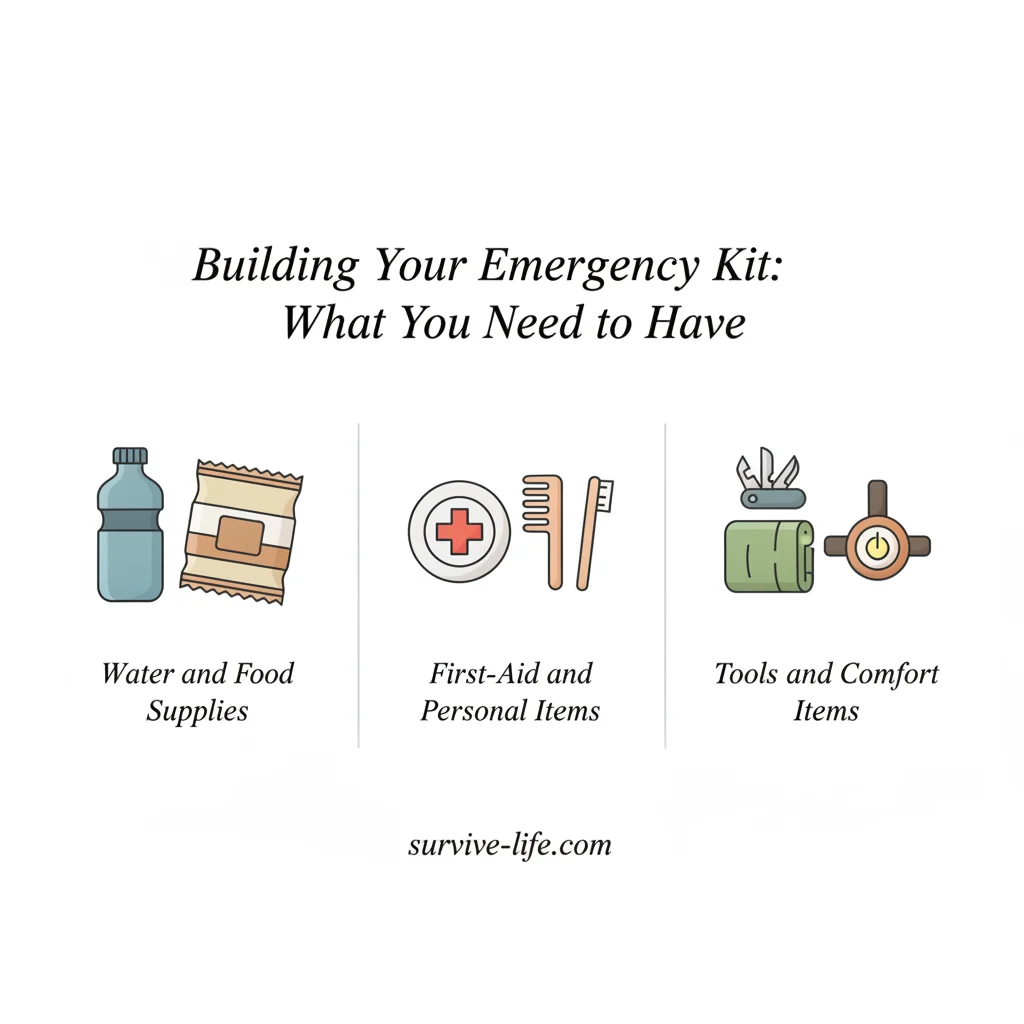
Water and Food Supplies
Alright, let’s talk about your emergency kit – specifically, the absolute essentials: water and food. You’ll need at least one gallon of clean water per person, per day, for drinking and basic cleaning. Aim for at least three days’ worth, but honestly, more is always better! For food, stick to non-perishable items. These are foods that don’t need cooking, water, or a fridge, like canned goods, energy bars, dried fruits, and nuts. If you’ve got canned food, don’t forget a manual can opener! And hey, remember any special food for babies, young children, or your furry friends. Keep all these goodies in a sturdy container you can grab quickly. Oh, and make sure to check those expiration dates regularly!
First-Aid and Personal Items
A well-stocked first-aid kit? Absolutely non-negotiable. It should have bandages of different sizes, antiseptic wipes, pain relievers, and any special prescription meds you or your family members need. Again, check those expiration dates on medicines often and replace them. Also, toss in personal hygiene items like soap, hand sanitizer, wet wipes, and toilet paper. Don’t forget a whistle to signal for help, a bright flashlight with extra batteries, and a battery-powered or hand-crank radio for important news and weather updates. Copies of important documents – IDs, insurance papers, family records – stored in a waterproof bag are super helpful too.
Tools and Comfort Items
Beyond the basics, think about tools that can really help you out. A multi-tool, strong duct tape, and a wrench to turn off utilities can be lifesavers. If it gets cold where you live, blankets or sleeping bags are a must for warmth. Cash in small bills is smart because ATMs and credit card machines might not work if the power’s out. And for comfort, especially for the kiddos, a small toy, book, or game can make a huge difference during a stressful time. Keep your entire kit in an easy-to-reach spot, like a closet near an exit. And please, check it every six months to replace expired items or update supplies.
Making a Family Communication Plan: Staying Connected
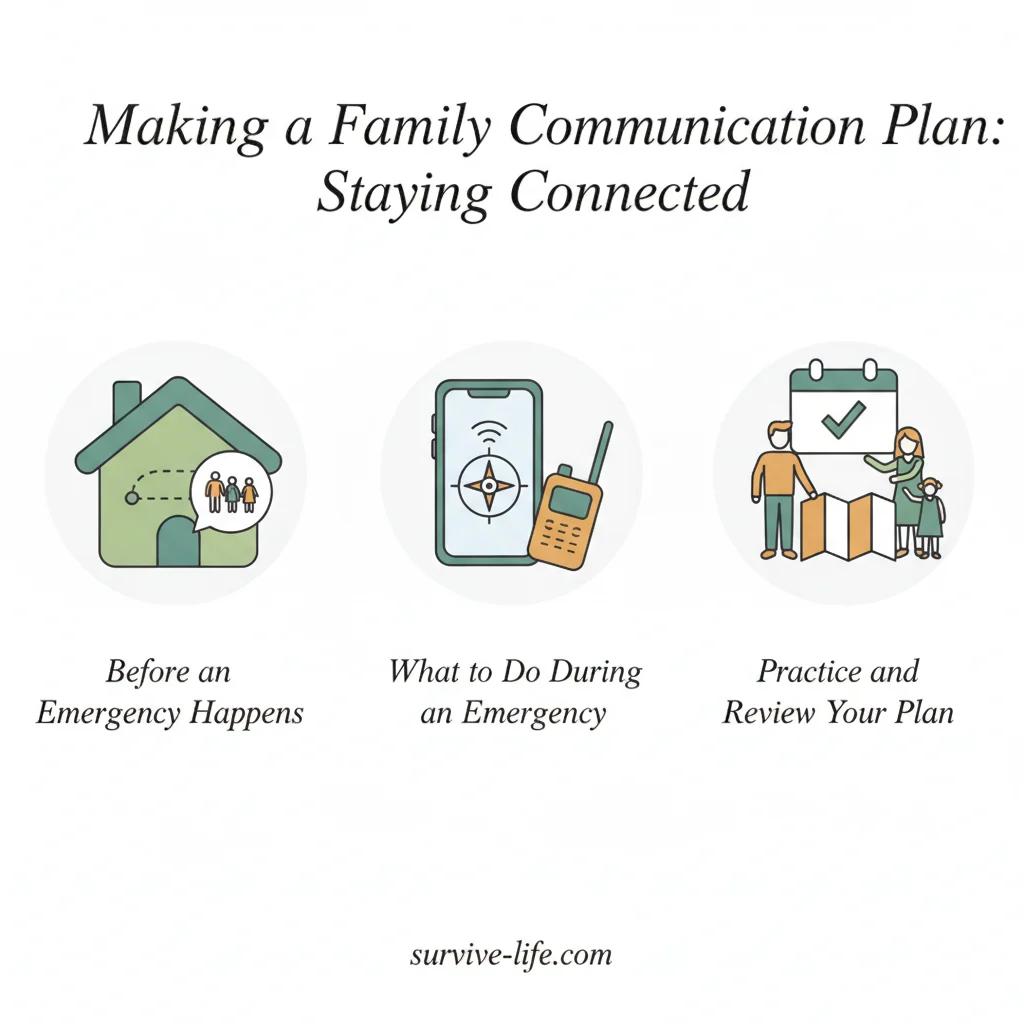
Before an Emergency Happens
Before any emergency even thinks about showing up, sit down with your family and chat about the different kinds of disasters that could happen where you live. Decide on a safe spot to meet right outside your home if there’s a sudden problem like a fire. Then, pick a second meeting place outside your neighborhood – maybe a local park or a friend’s house – in case you can’t go home. Choose an out-of-state contact person, someone who lives far away from your area. Everyone in your family should know this person’s phone number and email. Why out-of-state? Because if local phone lines are jammed or down, it’s often easier to call long distance to check in. Write down all these important numbers for everyone to keep.
What to Do During an Emergency
If you get separated from your family during an emergency, try to get to your first meeting place. If that’s not safe or possible, head to your second meeting place. If phones are working, try calling your out-of-state contact. Tell them you’re safe and where you are. This contact person can then let other family members know you’re okay. Teach your children their full name, your phone number, and the out-of-state contact’s number. Write these numbers down on a card and tuck it into their backpacks or pockets. Just make sure they know not to share this info with strangers unless it’s an emergency and they’re seeking help from an official.
Practice and Review Your Plan
It’s not enough to just make a plan; you really need to practice it regularly. Walk through your meeting routes with your family. Role-play what you’d do if you were separated and couldn’t use your phones. Review your plan at least once a year, or if you move, or if your family situation changes. Make sure everyone understands their role and what steps to take. This practice makes the plan feel natural, so you can act without too much thought when a real emergency strikes. Being prepared means everyone knows what to do, even the youngest members of your family, which brings a huge sense of peace.
Practicing Your Plan: Drills and Safety Checks
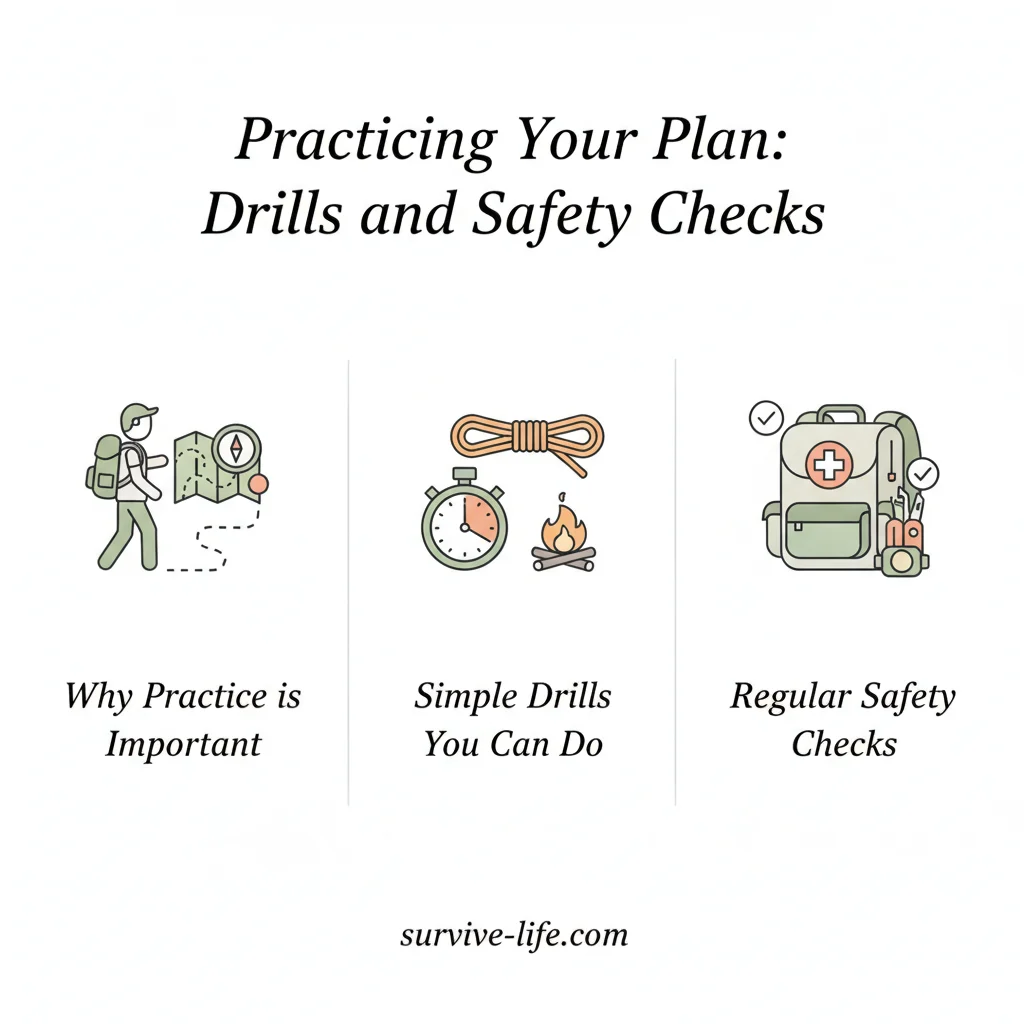
Why Practice is Important
Making a plan is a fantastic first step, but honestly, practicing it is just as important, if not more so! Think about fire drills at school or work. You practice so that if a real fire happens, you know exactly what to do without even thinking. It’s the same for your family emergency plan. When you practice, you’ll figure out what works well and what doesn’t. You might realize your chosen meeting spots aren’t quite right, or that you need new ones. Practice helps everyone feel more confident and less scared when a real emergency comes knocking. It turns a written plan into actions you can do automatically, which is super crucial when time is short and stress is high.
Simple Drills You Can Do
Start with simple, easy-to-do drills. Practice getting to your safe meeting places, both near and far. Time how long it takes. Pretend the power’s out and try to find your emergency kit in the dark using just a flashlight. If you know how to do it safely, practice turning off your home’s main water valve or gas line. These small actions build muscle memory and make you feel more capable. You could even have a “no-tech” hour where everyone puts away phones and screens and practices talking to each other or reading a paper map. This helps you get used to life without modern gadgets and prepares you for communication challenges.
Regular Safety Checks
Beyond drills, make sure to do regular safety checks around your home. Check your smoke detectors and carbon monoxide alarms every month to ensure they’re working. Change their batteries twice a year – maybe when you adjust your clocks for daylight saving time. Take a look at your emergency kit every six months. Replace any expired food or water. Make sure all medicines are still good. Check that flashlights work and have fresh batteries. Keep your important documents updated and stored in a waterproof bag. These small, regular checks keep your readiness level high and ensure your supplies are always ready when you need them most, giving you continuous peace of mind.
Conclusion So, we’ve chatted about what natural disaster preparedness really means, why having a plan is so incredibly important, how to build a solid emergency kit, and how to make sure your family stays connected. We also looked at why practicing your plan makes all the difference. Being ready for any emergency isn’t about living in fear; it’s about showing care. It’s about taking simple steps today to protect yourself and the people you love tomorrow. Start small, make a plan, build a kit, and practice. You’ll feel safer, calmer, and stronger, no matter what comes your way. Your peace of mind is absolutely worth the effort.