A snakebite can be a heck of a frightening event, right? It’s one of those things you hope you never deal with, but knowing what to do in the first 30 minutes after a snakebite isn’t just helpful; it can genuinely be the difference between a minor scare and a major emergency. This short window of time is absolutely critical. Your actions during these moments can greatly affect the outcome, helping to slow the spread of venom and prepare for proper medical care. Many people feel lost or scared when faced with such a situation, unsure of the right steps to take. That’s totally normal! But this guide is here to make those steps clear and easy to follow, so you’ll feel more prepared, not panicked.
Think about a time someone was hiking on a beautiful trail, enjoying nature, and accidentally stepped a little too close to a snake. Wham! The snake bit them quickly. If that person knew to stay calm, keep the bitten leg still, and call for help right away, they’d have a much, much better chance. Or consider a family picnic, a lovely day out, where a child, playing innocently in the grass, gets bitten by a snake. A parent who knows the immediate first aid steps can act fast, keeping the child as safe as possible until doctors can take over. These real-life moments show us why quick, correct action is so incredibly important. It’s not just theory; it’s about real people and real outcomes.
Do you know the very first thing you should do if a snake bites you or someone near you? Should you try to cut the wound or suck out the venom, like you might see in old movies? What if you’re far away from any hospital or clinic, maybe deep in the wilderness? These are common questions, and having clear answers can reduce panic and lead to much better decisions. It’s easy to get confused by old myths or bad advice that’s been passed down. This article is going to give you the facts you need, cutting through the noise.
In the first 30 minutes after a snakebite, your most important goals are simple, but powerful: stay as calm as you can, keep the part of your body that was bitten very still, and make sure you get professional medical help as fast as humanly possible. These three actions are the foundation of good snakebite first aid. They help to slow down how quickly any venom moves through your body and prepare you for the life-saving treatment that only doctors can provide. So, let’s dive in and get you ready.
What Happens When a Snake Bites You?
Alright, let’s talk about what actually goes down when a snake bites you. When a snake bites, it might inject a substance called venom. Now, here’s a little secret: not all snakebites have venom, and sometimes a venomous snake bites but doesn’t inject any venom at all. We call that a “dry bite.” Pretty wild, right? However, you should always treat any bite from a suspected venomous snake as if venom was injected, because honestly, it’s super hard to tell the difference right away. Better safe than sorry, always.
Snake venom isn’t just one thing; it’s a complex mix of chemicals that can cause different kinds of harm to your body. Some venoms, known as hemotoxins, mainly mess with your blood. They can stop your blood from clotting properly, which can lead to bleeding inside your body or right from the bite site. These venoms can also damage blood vessels and tissues, causing a heck of a lot of swelling, pain, and bruising around the bite. The area might feel really tender and hot, almost like it’s on fire. You might also feel generally unwell, with symptoms like nausea, vomiting, or even a weird metallic taste in your mouth. The speed and severity of these effects depend on the type of snake, how much venom was injected (if any), and where on your body you were bitten. It’s a lot to take in, but understanding this helps you grasp the urgency.
Then there are other types of venom, called neurotoxins, which mainly affect your nervous system. These venoms can interfere with the signals between your brain and your muscles. This can lead to some pretty scary problems like muscle weakness, difficulty speaking, blurred vision, or even trouble breathing. You might feel dizzy or lightheaded, like you’re floating. The bite area itself might not show as much swelling or pain as with a hemotoxic bite, which can sometimes make it harder to know how serious the situation is. That’s why you can’t just look at the bite and decide it’s fine.
Regardless of the type of venom, a snakebite is a medical emergency, plain and simple. The venom starts to work quickly, and its effects can spread throughout your body. Understanding these basic effects helps you understand why quick, correct first aid is so important – it helps slow down the venom’s journey and gives doctors more time to treat you effectively. Your body’s reaction to the venom is a race against time, making every single minute count. So, let’s make those minutes count for you.
The First 30 Minutes: Your Action Plan
Okay, so we’ve established that the first 30 minutes after a snakebite are absolutely crucial. What you do in this short time can greatly change how well you recover. Your main goal, remember, is to slow down the spread of venom and get ready for medical help. Let’s break it down into simple, actionable steps.
Stay Calm and Still
This is probably the hardest, but most important, first step: you must stay calm. I know, easier said than done when you’ve just been bitten by a snake! But here’s why it’s so vital: panic makes your heart beat faster, which, unfortunately, can make the venom spread more quickly through your body. So, take slow, deep breaths. Seriously, try it. In through your nose, out through your mouth. If you’re with someone else, try to reassure them too, even if you’re both scared.
Next, keep the bitten part of your body as still as humanly possible. If your arm or leg was bitten, try not to move it at all. Movement, just like a fast heartbeat, can also help venom spread. If you can, gently keep the bitten limb lower than your heart. This helps to slow the flow of venom away from the bite site. Do not, I repeat, do not try to walk or run if your leg was bitten; this will only make the venom spread faster. If you’re alone and need to move to safety, do so slowly and carefully, minimizing movement of the bitten limb. Think slow motion, every step deliberate.
Call for Emergency Help Immediately
As soon as you possibly can, call for emergency medical help. In most places, this means dialing 911 or your local emergency number. Don’t hesitate! Tell them exactly what happened, where you are, and that someone has been bitten by a snake. Give them as much detail as you can about the snake if you saw it – like its size, color, and any patterns. This can be helpful for doctors, but your safety is way more important than trying to catch or kill the snake. Seriously, don’t risk another bite. If you can’t call, have someone else call for you. If you’re in a remote area, try to send someone for help or move slowly and carefully towards a place where you can get a phone signal or be found. Getting to a hospital where antivenom is available is the ultimate goal, so getting that call in is paramount.
Remove Tight Items and Clean the Bite
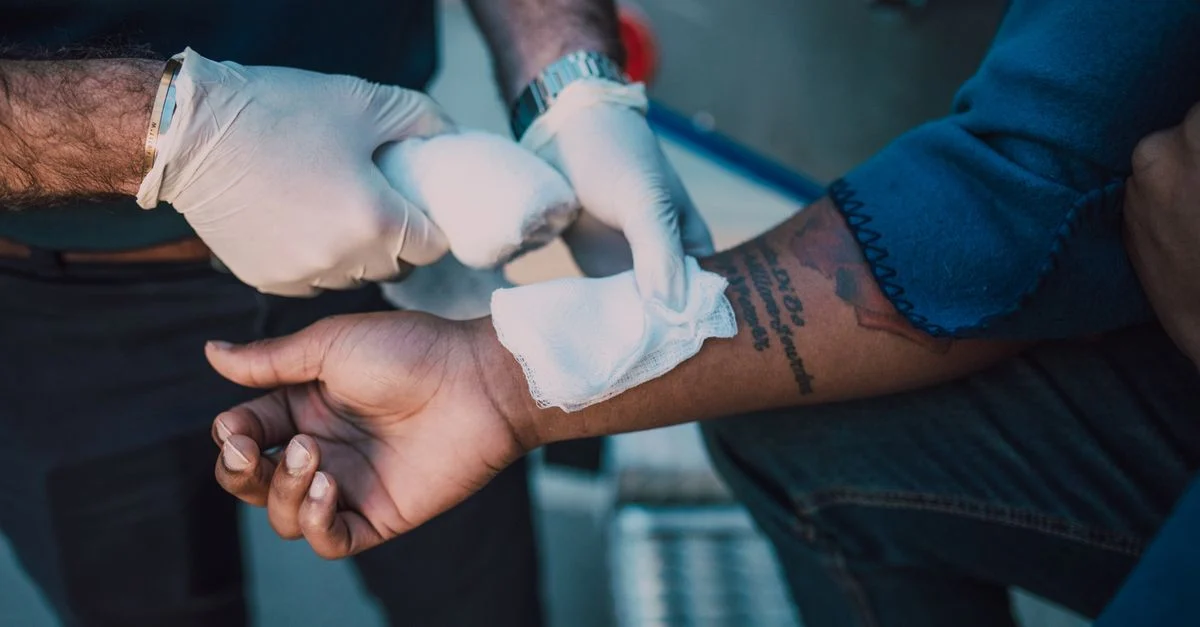
While you’re waiting for help to arrive, there are a couple more things you can do. Gently remove any tight clothing, jewelry, or watches from the bitten limb. Why? Because swelling often happens quickly after a snakebite, and these items can become incredibly tight, cutting off blood flow and causing even more damage. You don’t want a ring or bracelet acting like a tourniquet!
After that, use clean water and soap to gently wash the bite area. Don’t scrub it hard; just a gentle wash to remove any dirt or surface venom. After cleaning, cover the bite with a clean, dry dressing or cloth. This helps keep it clean and protected. Now, here’s what not to do: do not put ice on the bite, and do not try to cut or squeeze the wound. These actions can actually make things worse, not better. Your focus is on keeping the area clean and still, and patiently waiting for professional medical help to arrive. You’re doing great by just following these simple, effective steps.
What NOT to Do After a Snakebite
Alright, let’s get real for a moment. Many old ideas about treating snakebites are actually harmful and can make your situation much, much worse. It’s super important to know what not to do, so you don’t cause more damage or delay proper medical care. These myths have been around for a long time, maybe from old movies or campfire stories, but modern medicine has shown they are downright dangerous. Following these wrong steps can lead to more severe injury, infection, or even, tragically, the loss of a limb. Your body is already fighting the venom, so you definitely don’t want to add more problems to the mix.
First off, never, ever try to cut the bite wound with a knife or razor blade. This does not help remove venom, and instead, it creates a new, open wound that can easily get infected. Cutting can also damage blood vessels, nerves, and muscles, leading to permanent injury. Trust me, you don’t want that. Similarly, do not try to suck out the venom with your mouth or any suction device. This is completely ineffective, folks. Venom quickly enters your bloodstream and tissues; you simply cannot suck it out. Trying to do so can introduce bacteria from your mouth into the wound, causing a serious infection. Plus, if you have any cuts or sores in your mouth, the venom could actually enter your own body. These actions are not only useless but also dangerous, adding risks that are completely avoidable. Just don’t do it.
Second, do not apply a tourniquet or any tight band above the bite. While it might seem logical to stop blood flow, a tourniquet can cut off all circulation to the limb. This can cause severe tissue damage, leading to the death of muscle and skin, and potentially requiring amputation. Can you imagine? It can also cause a sudden rush of venom into the body when the tourniquet is finally removed, leading to a shock reaction. Instead, the goal is to slow the spread, not stop it completely and cause more harm. Also, do not apply ice or cold packs to the bite. Cold can damage tissues and restrict blood flow, making the injury worse. It doesn’t stop the venom from spreading, so it’s just adding insult to injury.
And here’s another big one: do not try to catch or kill the snake. This puts you at risk of another bite and wastes precious time that should be used to get help. Doctors don’t need the snake to identify it; they treat based on your symptoms, which is much safer and more effective. Avoid drinking alcohol or caffeine, and do not take any pain medications like aspirin, as these can thin your blood and make bleeding worse. Stick to simple, proven first aid steps and wait for medical professionals. Your job is to stay safe and get help, not to be a hero or a snake hunter.
Getting Medical Help and Recovery
Okay, so you’ve done the immediate first aid steps in those crucial first 30 minutes – great job! Now, getting to a hospital is the next critical part of your treatment. Emergency medical services (EMS) are trained to handle snakebite victims safely and quickly. They can start basic care on the way to the hospital and alert the medical staff, so they’re all ready for your arrival. Once you reach the hospital, doctors will carefully assess your condition. They’ll look at the bite site, check for swelling, pain, and any other symptoms you’re having. They’ll also do blood tests to see how the venom is affecting your body, especially your blood clotting ability. It’s a thorough process, and they know exactly what to look for.
Hospital Treatment and Antivenom
The main treatment for a venomous snakebite is something called antivenom. Antivenom is a special medicine made from antibodies that can neutralize the snake venom in your body. Think of it like a superhero antidote! It works by binding to the venom molecules and stopping them from causing further harm. Now, here’s an important point: not everyone who is bitten by a venomous snake will actually need antivenom. If it was a dry bite (remember those?), or if the venom injection was very small and your symptoms are mild, doctors might just watch you closely. However, if you have clear signs of venom poisoning, such as spreading swelling, severe pain, changes in blood tests, or problems with your breathing or nerves, antivenom will be given. It’s usually given through an IV (intravenous) drip, directly into your bloodstream. Doctors will monitor you super closely for any allergic reactions to the antivenom, which can happen in some people. The amount of antivenom needed depends on how severe your symptoms are and how you respond to the treatment. They’ll tailor it just for you.
What to Expect During Recovery
Recovery from a snakebite can take time, and it varies greatly from person to person. After receiving antivenom, you’ll likely stay in the hospital for a few days for observation. Doctors will continue to monitor your symptoms, blood tests, and the condition of the bitten limb. Swelling and pain might take some time to go down, so be patient with your body. You might need pain medication and antibiotics to prevent infection, which is a common concern. Physical therapy might even be needed if the bite caused significant tissue damage or affected your movement. It’s really important to follow all of your doctor’s instructions, even after you go home. This includes taking any prescribed medicines, keeping the wound clean, and attending follow-up appointments. The long-term effects of a snakebite can range from complete recovery to lasting pain, stiffness, or even loss of function in the bitten limb, especially if treatment was delayed or incorrect first aid was applied. Being patient and diligent with your recovery plan is key to getting back to full health. You’ve got this!
Conclusion
So, there you have it. Knowing what to do in the first 30 minutes after a snakebite is truly life-saving knowledge, isn’t it? We’ve talked about how incredibly important it is to stay calm, keep the bitten area still, and get emergency medical help as fast as you possibly can. We also covered the critical things you should never do, like cutting the wound or using a tourniquet, because these old methods can cause way more harm than good. Remember that quick, correct actions are your absolute best defense against the effects of snake venom.
Being prepared means you can act with confidence, not panic, when faced with a scary situation. So, please, share this important information with your family and friends. You never know whose life you might help save. Knowing these simple steps can make a huge difference for anyone who might face a snakebite. Your quick, smart actions can protect yourself and others, ensuring the best possible outcome in a scary situation. Stay safe out there, and be ready.