
Driving far from towns can be peaceful, right? The open road, the quiet… but what happens if your car suddenly stops working when no one’s around? Yikes! That can feel incredibly scary and lonely, can’t it? Knowing what to do when your car breaks down in the middle of nowhere isn’t just a good idea; it’s super important. It helps you stay safe, get help faster, and honestly, it turns a really bad situation into one you can actually handle. A lot of us hit the road for long distances without even thinking about this, but being ready can seriously save you from a heck of a lot of trouble. Picture this: you’re cruising down a quiet country road, maybe heading to a national park or a tiny village. Suddenly, your engine light flashes, or a tire goes totally flat, and guess what? No phone signal. Or maybe you’re on a long highway stretch late at night, and your car just… dies. Poof. These aren’t just ‘what if’ scenarios; they’re real, and they can absolutely happen to anyone. So, what’s the very first thing you should do? How on earth do you call for help if your phone’s dead silent? What if it gets dark, or the weather turns nasty while you’re stuck waiting? Let’s get real: if your car breaks down in a remote area, the most important steps are to stay calm, make your car super visible and safe, and then focus all your energy on finding a way to signal for help or get assistance. It’s all about being smart and prepared.
What to Do Immediately After Your Car Stops
Your first actions are all about safety and making sure you’re seen. Seriously, don’t panic! Quick, smart moves right now can prevent more danger and keep you out of harm’s way.
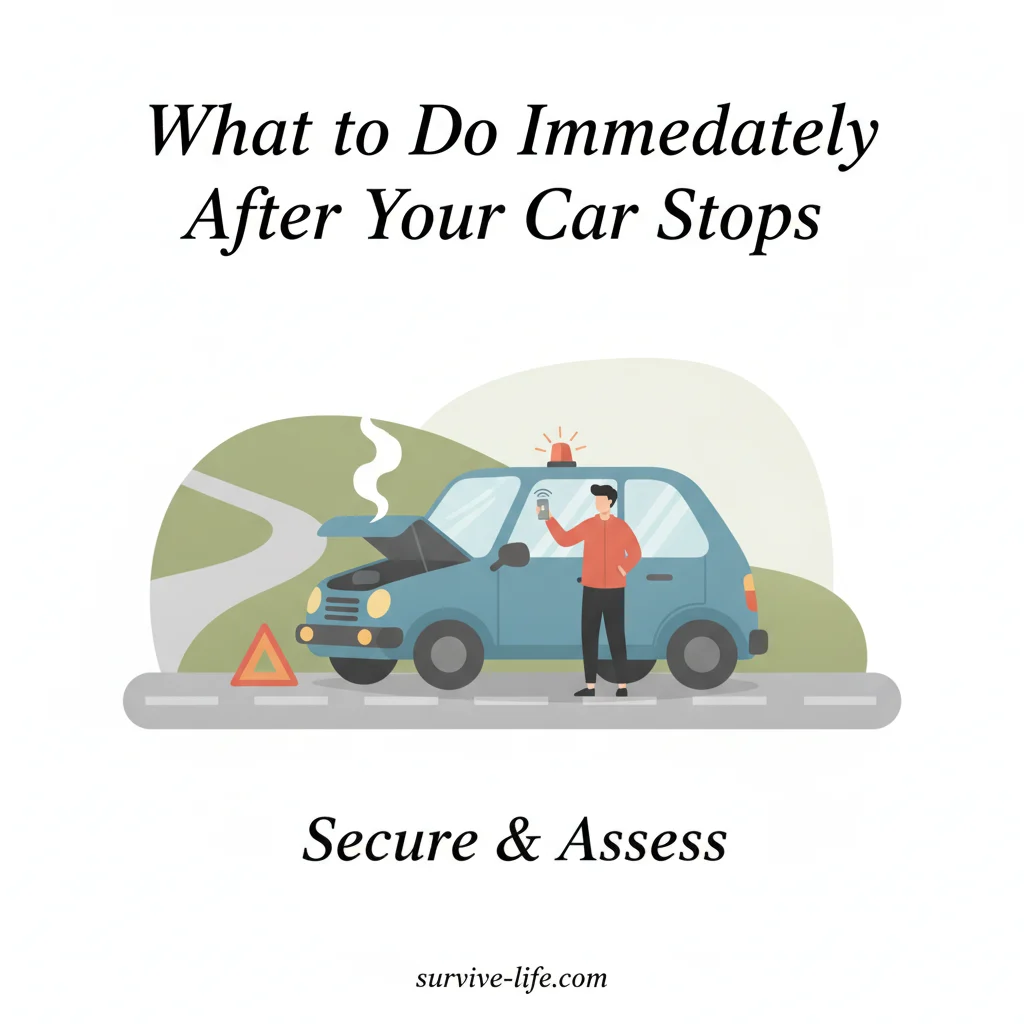
Okay, so your car just sputtered to a halt. First things first: try your best to get it off the main road. Pull over to the shoulder or emergency lane. As soon as you’re stopped, flick on those hazard lights! They’re your best friend, screaming ‘I have a problem!’ to other drivers, crucial if it’s dark or foggy. If safe, pop your car’s hood – a universal sign of distress. But here’s a big one: stay inside your car if it’s safe. Your car is your shelter, protecting you from elements, passing vehicles, and wildlife. Don’t just jump out and wander around.
Once safely pulled over and hazards flashing, take a deep breath. Check on everyone in the car – is anyone hurt? Then, look around. Where are you? Is there a landmark? Observe from inside. Knowing your surroundings helps you explain your location later. Resist the urge to immediately try to fix the car unless it’s super simple and safe. Your priority is safety and visibility, not becoming a roadside mechanic in a dangerous spot.
How to Signal for Help When There’s No Phone Service
When your phone’s got no bars, it feels like you’re totally cut off, right? But don’t despair! You’ve got other ways to tell people you need help. There are plenty of simple, clever methods to grab attention.
Your car itself is a pretty good signaling device. Keep those hazard lights flashing. If you have reflective triangles or road flares, use them, placing them a good distance behind your car to warn traffic. If you hear another vehicle, try honking your horn in a distinct pattern (three short blasts, pause, repeat) – a recognized distress signal.
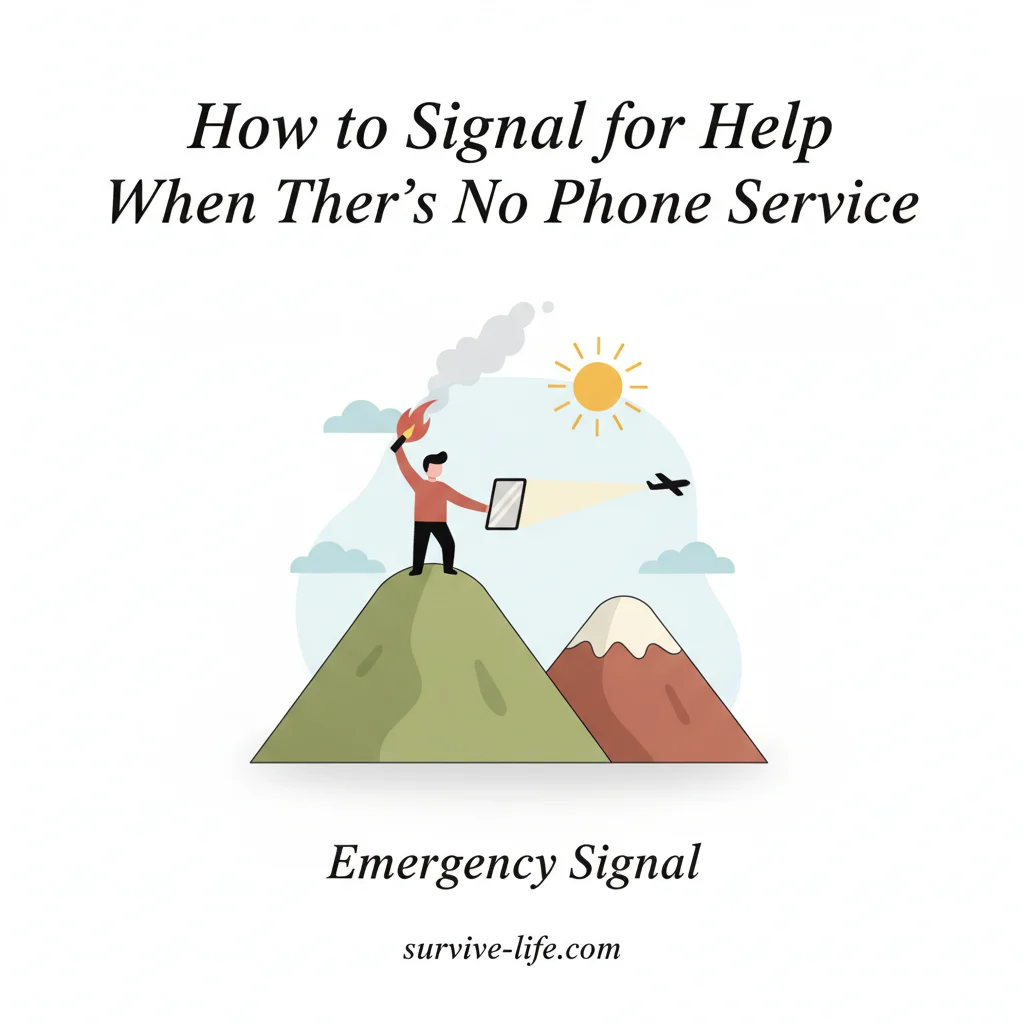
Beyond your car’s features, get creative with visual signals. Got a bright piece of cloth? Tie it to your antenna or a window. The brighter, the better, making your car noticeable from a distance. If it’s sunny and you have a mirror, use it to flash sunlight towards the sky or distant vehicles/buildings. Aim for a consistent flash pattern.
At night, your hazard lights are crucial. If you have a flashlight, flash an SOS signal (three short, three long, three short) towards any distant lights or passing vehicles, minding battery life. Road flares are fantastic for nighttime visibility. The goal is to make yourself as obvious as possible.
What Essential Items Should You Always Carry?
Let’s be honest, being prepared with the right emergency kit can make a huge, huge difference. These aren’t just ‘nice-to-haves’; these items help you stay safe, warm, and hydrated while you wait for help to arrive.
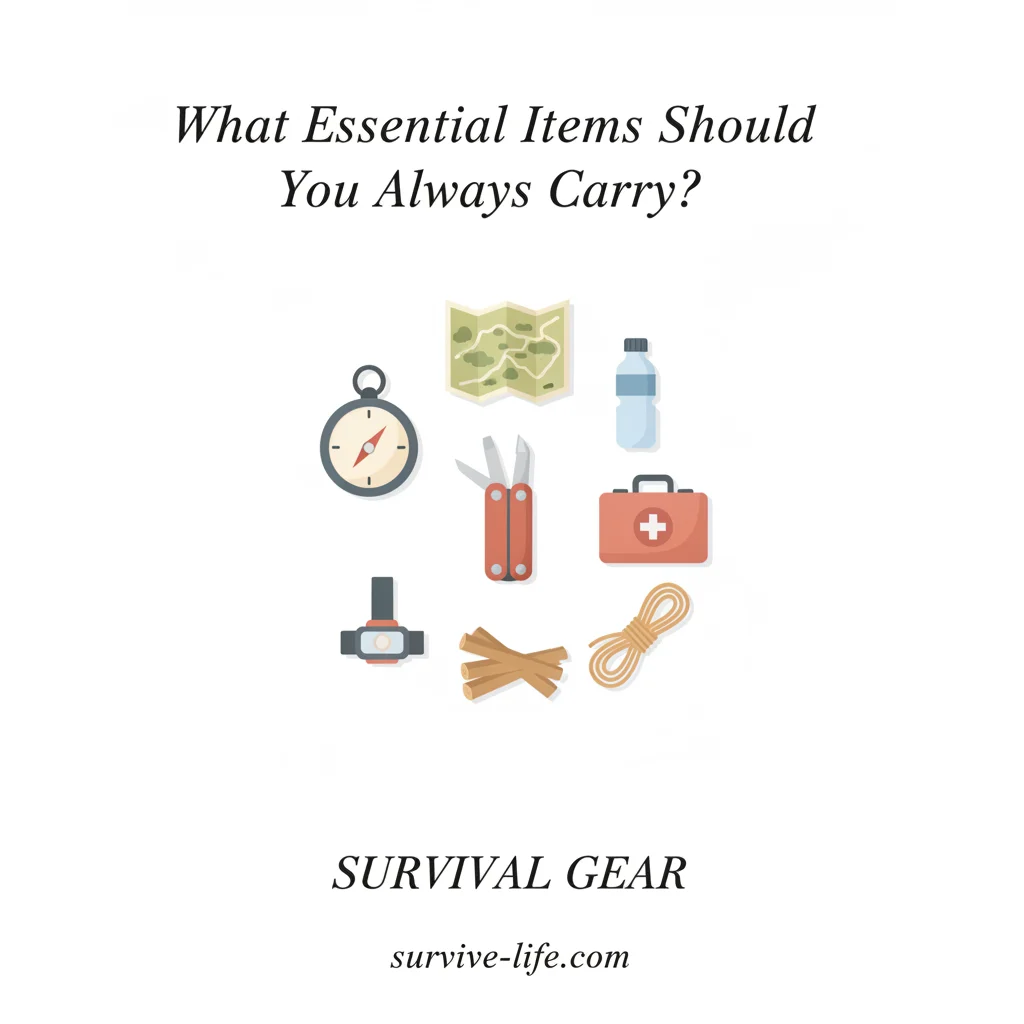
Seriously, always, always have a well-stocked emergency kit in your car. First up, a comprehensive first-aid kit is non-negotiable. You’ll also want plenty of bottled water and non-perishable food like energy bars – your lifelines for staying hydrated and energized. Warm blankets or extra clothes are vital, especially if temperatures drop fast. A fully charged power bank for your phone, a bright flashlight with extra batteries, and reflective triangles or road flares are also must-haves. These items address basic needs and help you signal, making your wait safer and more comfortable.
Beyond personal comfort, think about car and navigation aids. Jumper cables are a no-brainer. A basic tool kit can be useful. A tire repair kit or a good spare tire, with jack and lug wrench, is essential. A physical map of the area is a lifesaver when there’s no signal, and a compass can be handy. Don’t forget a whistle! It’s small but carries sound far. Having these tucked away isn’t just smart; it’s peace of mind.
Staying Safe and Comfortable While Waiting for Help
Waiting when you’re stranded can feel like an eternity, and it’s definitely stressful. But knowing how to manage your time and resources wisely helps you stay calm, safe, and even a little bit comfortable until help finally rolls up.
Remember, your car is your best shelter. Stay inside it! It’s your fortress against bad weather – sun, cold, rain, snow – and protects you from wild animals or unfriendly people. If cold, bundle up with blankets and extra clothes. If hot, keep windows slightly open for airflow, but watch for insects. Don’t leave doors wide open.
Be smart with supplies. Ration food and water; make them last. You don’t know how long you’ll wait. Use your phone sparingly, even with a power bank. Turn off unnecessary car electronics to conserve battery for hazards or a potential restart.
Boredom and fear are tough companions. Keep your mind occupied: read, listen to music (if battery allows), or try deep breathing. Focus on what you can control. Stay alert to surroundings, but resist wandering from your vehicle. Your car is where rescuers will look. Staying alert but calm is crucial for your mental state and overall safety.
When to Consider Leaving Your Vehicle
Okay, let’s get real about this: leaving your car is a massive decision, and it should absolutely, positively only be done as a very, very last resort. Most of the time, it actually carries way more risks than just staying put.
So, when is it okay to leave your car? Only if it’s in immediate, undeniable danger – like fire, teetering on a cliff, or rising floodwaters. These make staying put more dangerous. The other rare exception is if you are absolutely certain help is incredibly close by – like a visible house or well-traveled road just a short, safe walk away. If not 100% sure, stay with your vehicle; it’s a much bigger target for rescuers.
If you do decide to leave, be smart. First, write a clear note: your name, time left, direction, and reason. Place it obviously inside your car. Before stepping out, gather essential supplies: water, phone, first-aid kit, warm clothes. Lock your car.
It’s vital to understand the risks of walking away. Getting lost is huge, especially in unfamiliar terrain. Weather can turn quickly, leaving you exposed. You might miss help arriving at your vehicle. Walking can lead to injuries, exhaustion, or wildlife encounters. Rescuers look for vehicles first. So, unless your car is actively on fire or about to fall into a ravine, staying put is almost always the safer, smarter choice. Your car is your beacon; don’t abandon it lightly.
Breaking down in a remote area can be a heart-stopping experience, but being prepared and knowing the right steps can make all the difference. From immediate safety actions to signaling for help and staying safe while you wait, every step is important. So, here’s my final thought: always prepare your car and yourself before any long trip, especially through remote areas. Give your car a quick check-up, pack a comprehensive emergency kit, and tell someone your travel plans and expected arrival time. A little planning goes a long way in keeping you safe and sound on the open road. Drive safe out there!