When bad things happen – a big storm, a long power cut, or another sudden problem – families need a plan. “Assigning Family Survival Roles” means giving each person a clear job before disaster strikes. Everyone knows their part, making things smoother when stress is high. It’s like a team sport, but the goal is keeping everyone safe.
Imagine Dad checking the car, Mom prepping food, or older kids knowing how to turn off the water. Simple roles make a huge difference.
Who gets the emergency kit if you need to leave fast? Who checks on neighbors? Who ensures pets are safe? What if you’re not home? Who gathers the children? Important questions to ask.
It’s about being smart and ready. A plan makes scary times less scary because you’ve thought ahead. It gives you power over the unknown.
In short, assigning family survival roles means giving each family member a clear job when disaster happens, ensuring everyone knows their part to keep the family safe and organized. It’s proactive peace of mind.
What Are Family Survival Roles?
So, what are “family survival roles”? They’re specific jobs for each household member during an emergency, decided before disaster strikes. The main idea is quick, correct task completion when time is short. Knowing who does what helps everyone stay calm and focused, preventing confusion and missed steps. Each role has a clear purpose – clean water, meeting spots, safe papers. This pre-planning removes guesswork, letting you act instead of react.
These roles aren’t just for adults; children can have simple, age-appropriate jobs too. A younger child might find their comfort toy, an older one helps pack or checks a sibling. The goal is using everyone’s strengths, making them feel valuable. Clear, practiced roles turn your family into a well-organized unit, even in chaos. This planning makes your family stronger, safer, and more prepared, turning panic into purposeful action and giving everyone control.
Why You Need Family Survival Roles
Less Panic, More Action
When disaster strikes, fear can quickly take over, leading to panic and wasted time. Survival roles cut this down. Everyone knows their job, focusing on it instead of wondering what’s next. This means faster action and better choices when every second counts. You move from scared to ready, with clear direction keeping everyone focused and reducing stress. It’s like a script where everyone knows their lines.
Everyone Stays Safe
Without clear roles, important things might be forgotten. Did someone grab the first-aid kit? Is the gas off? Is everyone accounted for? Assigned roles cover all key safety steps. One person might be the “safety checker,” another the “communication officer.” No one is left behind, no critical task missed. It protects every family member, ensuring all necessary actions are taken. It’s about creating a safety net.
Builds Teamwork and Confidence
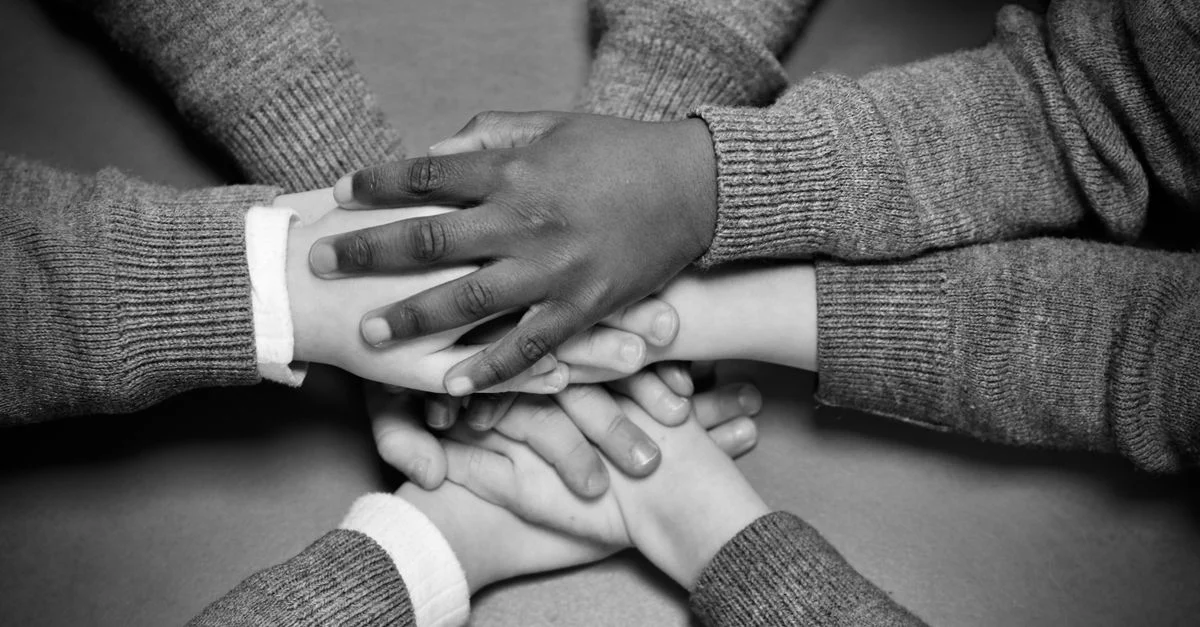
Working together on a plan before disaster makes your family a stronger team. Everyone feels important with a job, building confidence, especially for children. They learn they can help in tough times. A plan with everyone’s part makes your family feel secure and united, strengthening bonds and trust. It teaches responsibility and resilience.
How to Assign Family Survival Roles: A Step-by-Step Guide
Step 1: Talk About It Together
Start with a family meeting. Talk about potential emergencies where you live – storms, earthquakes, power outages, floods. Ask everyone what’s important to do. Listen to all ideas. This helps everyone understand why roles are needed and feel part of the planning, setting a positive tone for shared responsibility.
Step 2: Look at Each Person’s Strengths
Think about each person’s strengths. Calm under pressure? Strong? Good with maps or tech? Knows first aid? Even kids have strengths; an animal-lover might prep the pet carrier. Match jobs to skills and interests. This makes roles natural, easier to do, increasing success and reducing stress.
Step 3: List All Important Tasks
Write down every emergency task: getting the kit, turning off utilities (gas, water, electricity), checking neighbors, gathering papers, securing pets, finding a meeting spot, calling for help. Don’t miss anything, no matter how small. This list ensures all jobs are covered and nothing is forgotten. It’s your master checklist.
Step 4: Assign Roles Clearly
Now, assign tasks to specific people. Everyone needs a main role and a backup. Write roles down clearly, placing the list somewhere visible, like the fridge. E.g., “Dad: Utility Manager,” “Mom: Communication Officer,” “Older Child: Pet Protector,” “Younger Child: Comfort Item Collector.” Ensure roles are simple, clear, and memorable.
Step 5: Practice Your Plan
Once roles are assigned, practice them. Do a drill: pretend disaster strikes and everyone performs their job. This finds problems and ensures everyone remembers what to do. Practice builds confidence. Adjust roles or tasks if something doesn’t work well, making your plan stronger.
Key Survival Roles to Consider
The Communication Officer
This person manages family communication. Their job includes knowing emergency contacts, having a battery-powered radio for news, and using walkie-talkies if phones are down. They also know the out-of-state contact, vital if local lines fail. This role ensures your family stays connected and informed during a crisis, a lifeline for safety and peace of mind.
The Utility Manager
This role is for safely turning off your home’s gas, water, and electricity. Knowing how prevents damage or dangers like gas leaks or electrical fires. This person knows where main shut-off valves and circuit breakers are and how to operate them. They might also check smoke and carbon monoxide alarms regularly. This job is crucial for preventing bigger problems and keeping your home safe.
The Supply Keeper
The Supply Keeper ensures your emergency kit is always ready and stocked. This means checking food/water dates, fresh batteries, and restocking first-aid. They know the kit’s location for quick access. This person also tracks important documents (birth certificates, insurance papers) in a waterproof, accessible bag. A well-stocked, up-to-date kit is vital for survival and comfort – your family’s treasure chest of readiness.
The Pet Protector
If you have pets, someone manages their safety. This person packs pet food, water, and medicines in a separate kit. They know the pet carrier’s location and how to safely get the pet inside, especially if scared. This role ensures furry family members aren’t forgotten and are cared for during an emergency, as pets are a source of comfort.
The Child/Elderly Caretaker
This role focuses on younger children or older family members needing extra help. They ensure these members are calm, have comfort items, and are safely moved. This person might also pack special items like baby formula, diapers, or specific medications. Their main job is providing comfort, direct care, and ensuring the well-being of vulnerable family members.
Practicing Your Family’s Survival Plan
Why Practice is Key
Just like a sports team, your family needs to practice its survival plan. Knowing your role on paper is one thing; doing it under pressure is another. Practice helps everyone remember jobs, building muscle memory for natural, automatic actions. In a real emergency, you’ll react faster, with less stress, because you’ve done it before. This readiness makes all the difference, turning knowledge into instinct.
How to Practice Effectively
Start with simple drills. No need for drama. Once a month, have a “power outage drill”: everyone pretends lights are out and does their task (Supply Keeper gets flashlights, Communication Officer checks radio, etc.). Practice meeting at your safe spot. Make it a regular routine, like a fire drill. Consistency builds confidence.
Review and Adjust
After each practice, discuss what went well and what could be better. Did someone forget a job? Was a task harder? Missing kit items? Use these talks to strengthen your plan. Family situations change (kids grow, new pets, moving). Review your plan yearly, making needed changes. A living plan that adapts is a strong plan – an ongoing commitment to safety.
Conclusion We’ve discussed how giving each family member a clear job in trouble makes everyone safer and more prepared. We covered why roles are important, how to set them up step-by-step, key jobs, and why regular practice ensures your plan works when needed most.
Assigning family survival roles now is one of the best things you can do for your family’s safety and peace of mind. It turns fear into readiness, confusion into purposeful action. Don’t put it off! Start your family’s plan today. Your peace of mind and safety are truly worth it. You’ve got this!