
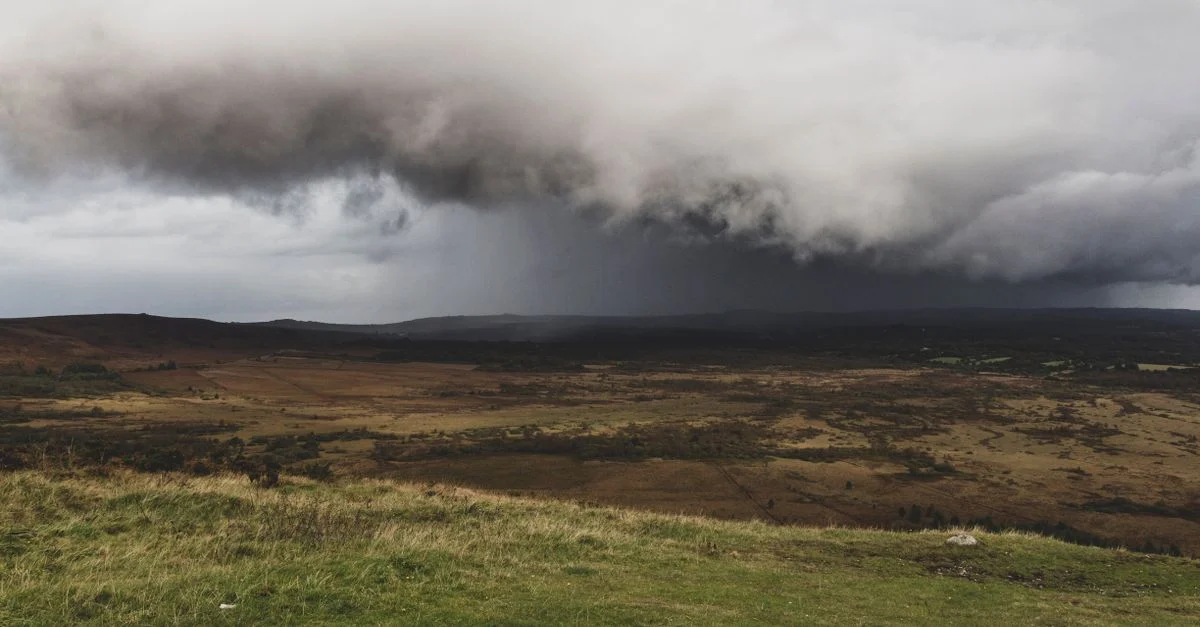
Hey there, friend! Ever just feel a storm coming? Or notice how the air changes right before a big downpour? It’s not magic, I promise. It’s just nature, doing what it does best: giving us clues. For ages, long before fancy weather apps, people relied on these subtle hints from the world around them. They’d look at the sky, watch animals, and even pay attention to plants. It’s like nature has its own secret language, and once you learn a few key phrases, you’ll be amazed!
Think about it: a shimmering ring around the moon often whispers of rain. Birds flying low? Could be a storm brewing. Pinecones closing up tight? Yep, probably wet weather ahead. You know that feeling, right? When things just feel different before a storm? That’s nature showing its patterns, and you, my friend, can learn to read them. It’s all about paying close attention to small changes that often signal big weather shifts. Learning to read these nature signs helps you guess weather changes by watching clouds, animals, and plants for those special clues.
What Are Nature Signs for Weather?
So, what exactly are these ‘nature signs’? Simply put, they’re clues from the world around us that give us a heads-up about future weather. Think of them as nature’s own little forecast, giving you hints before your phone app chimes in. These aren’t just random guesses. They come from how the air changes, how light looks, and how all living things react to those shifts. It’s like the environment itself is a giant barometer, constantly adjusting and showing us what’s coming next.
These signs are based on real principles: when air pressure shifts, humidity climbs, or temperatures change, everything in nature responds. Animals feel it, plants react, and even light changes. Learning to spot these basic indicators and understanding why they’re reliable is your first step to becoming a true weather whisperer.
Reading the Sky: Clouds and Colors
Now, let’s talk about the biggest weather book out there: the sky! Seriously, the sky is a treasure trove of information, and clouds, in particular, are like giant billboards telling you what weather is on its way. You can learn to read the sky by looking at cloud shapes, their height, and even the colors of sunrise and sunset.
Let’s break it down:
High, Thin Clouds (Cirrus): See those wispy, feathery clouds way up high? When you spot them, especially if they’re thickening or moving from the west, it often means a warm front is approaching. And what does a warm front usually bring? Rain, my friend, often within 12-24 hours.
Puffy, White Clouds (Cumulus): These are the classic ‘fair weather’ clouds, looking like fluffy cotton balls. If they’re small and scattered, you’re probably in for a beautiful day. But here’s a trick: if these cumulus clouds start to grow taller, looking like towers, they can develop into cumulonimbus clouds – those big, dark storm clouds that bring thunderstorms. So, watch their growth!
Gray, Blanket Clouds (Stratus/Nimbostratus): When the sky looks like a uniform gray blanket, often covering everything, you’re likely seeing stratus clouds. If they’re low and bringing steady rain or drizzle, they’re nimbostratus. These tell you that persistent, often light, precipitation is likely.
A Ring Around the Moon (or Sun): This is a classic! A hazy ring or ‘halo’ around the moon (or sometimes the sun) often means high-altitude cirrus clouds are present. Made of ice crystals, these clouds refract light, creating the halo. As we discussed, cirrus clouds often precede a warm front and rain. So, a ring usually means rain or snow is on its way within a day or two.
Red Sky at Night, Sailor’s Delight; Red Sky in Morning, Sailor Take Warning: This old saying is surprisingly accurate!
- Red sky at sunset: Means the sun’s light travels through dry, dusty air to the west (where weather often comes from). This scatters blue light, leaving reds and oranges. Good, dry weather is likely coming tomorrow.
- Red sky in the morning: Means the sun’s light is hitting clouds and moisture to the east. Since those weather systems are likely heading your way, a red sunrise often signals rain or bad weather is on its way. Grab your umbrella!
Animals and Plants: Living Weather Barometers
It’s not just the sky that’s talking; the living world around us is full of weather clues too! Animals and plants are incredibly sensitive to changes in their environment. They feel shifts in air pressure, humidity, and light long before we do, making them fantastic, living barometers. They’re like nature’s early warning system, giving us living clues about what’s coming.
Let’s look at some examples:
Frogs Croaking More: Frogs and other amphibians are very sensitive to humidity. As humidity rises before rain, they become more active and vocal. So, if the frog chorus gets louder, rain might be on its way!
Birds Flying Low: Before a storm, air pressure drops. Insects, which birds eat, find it harder to fly in lower pressure and stay closer to the ground. So, if you see birds, especially swallows, flying unusually low, it’s a pretty good sign a storm is near. They’re just following their food source!
Flowers Closing Petals: Many flowers, like dandelions and marigolds, are sensitive to humidity and light. Before rain, as humidity rises and light drops, they’ll often close their petals to protect their pollen.
Pinecones: Nature’s Hygrometer: This is one of my favorites because it’s so reliable! Pinecones are fantastic natural humidity indicators.
- Open Pinecones: When the air is dry, pinecones open their scales to release seeds.
- Closed Pinecones: When humidity is high (meaning rain is likely), pinecones close their scales to protect their seeds. So, if you see pinecones tightly closed, get ready for some wet weather!
Leaves Curling Up: Some trees, like maples, have leaves that can curl or show their undersides before a storm. This is often due to changes in humidity and air pressure, or sometimes strong winds preceding a front.
Isn’t that incredible? The natural world is constantly communicating, if we just take the time to observe!
Feeling the Air: Wind, Humidity, and Temperature
Beyond what you see, what you feel in the air can give you some really important clues about coming weather. Your senses are powerful tools for predicting what’s next! You can sense changes in wind, how wet the air feels, and if it’s getting hotter or colder.
Air Pressure Changes: Our bodies are surprisingly sensitive to changes in atmospheric pressure. Before a storm, air pressure often drops significantly. How might you feel this?
- Stuffy Ears: Like on a plane, a rapid drop in pressure can make your ears feel a bit stuffy or ‘pop.’
- General Heaviness/Headache: Some people report feeling a general heaviness, a slight headache, or even joint aches before a storm. Your body reacts to the pressure change.
- Smell of Rain: A sudden drop in pressure can also release odors from the ground, like the earthy smell of petrichor, making you ‘smell’ rain before it even starts.
Wind Direction and Strength: Wind is moving air, and its direction and feel tell you a lot.
- East Wind Brings Rain: In many temperate regions, an east wind often brings moist air or directs low-pressure systems your way, leading to rain or unsettled weather.
- Shifting Winds: If the wind suddenly shifts direction, especially from a steady westerly breeze to an easterly or southerly one, it can signal a change in weather patterns, often indicating an approaching front.
Humidity: The Sticky Factor: You know that feeling, right? When the air just feels thick and sticky? That’s high humidity, and it’s a huge indicator of coming rain. As moisture builds up, the air feels heavier and more humid. If you step outside and the air feels noticeably ‘wet’ or ‘muggy,’ especially after a dry spell, chances are good that precipitation is on its way.
Temperature Shifts: Obvious, but important!
- Sudden Drop in Temperature: A sudden, noticeable drop in temperature, especially with a wind shift, often signals a cold front. Cold fronts can bring dramatic weather changes, including thunderstorms, then cooler, drier air.
- Rising Temperatures and Humidity: Conversely, a steady rise in temperature combined with increasing humidity can indicate a warm front approaching, which often brings widespread, steady rain.
Paying attention to these subtle shifts in how the air feels can really sharpen your weather-predicting skills. It’s all about tuning into your environment!
Putting It All Together: Your Local Weather Forecast
Okay, so you’ve got a bunch of cool new tricks up your sleeve! But here’s the real secret: no single sign is perfect on its own. The real magic happens when you start combining all the signs you see and feel. That’s how you build a much stronger, more reliable picture of what the weather is really going to do. It’s about building a full picture from nature’s hints and making your own local forecast.
Think of it like being a detective. One piece of evidence is interesting, but many pieces together create an undeniable case.
Here’s how you can start putting it all together:
Start with the Sky: Always look up first! What kind of clouds do you see? Is there a ring around the moon? What did the sunrise or sunset look like? The sky often gives you the earliest warnings.
Check the Living World: Next, observe the animals and plants around you. Are the birds flying low? Are the frogs extra noisy? Are the pinecones closed up tight?
Feel the Air: Finally, tune into your own senses. How does the air feel? Is it getting sticky and humid? Has the wind shifted? Do your ears feel stuffy? Has there been a noticeable temperature change? These personal sensations can be powerful confirmations.
Let’s try an example: Imagine you wake up and see a red sky in the morning (uh oh!). Then, you notice the birds in your yard are flying really low. You step outside, and the air feels heavy and sticky, and you get that faint, earthy smell of rain. Later, you spot some pinecones on the ground, and they’re all tightly closed. What’s your forecast? Pretty darn sure rain is coming soon, right? You’ve got multiple, reinforcing signs all pointing to the same conclusion.
By looking for multiple signs at once, you can be pretty confident that rain is on its way. The more you practice, the better you’ll get, and the more connected you’ll feel to the rhythm of the natural world.
So there you have it, my friend! By taking the time to watch the sky, observe the animals and plants, and really feel the air around you, you can become incredibly good at reading nature’s weather signs. These aren’t just quaint old traditions; they’re powerful, practical ways of knowing what’s coming, and they’re still super useful today, even with all our modern tech.
Start looking around you today. Pay attention. Nature is always talking; you just need to listen. You’ll not only become your own personal weather watcher, but you’ll also feel a deeper, more profound connection to the amazing world around you. Happy forecasting!