
Hey there, friend! Let’s get real for a moment. Life, as we all know, can be full of surprises. Sometimes, those surprises aren’t the fun kind – like a big storm, a power cut, or even just a tough month for money. Being ready for these times, having a little something tucked away, can give you a heck of a lot of peace of mind.
Now, you might think getting ready for emergencies means spending a ton of money or buying fancy survival gear. But it doesn’t have to be that way. You can build a really good food supply without emptying your wallet. Think about it: when a big storm hits and shops close, or roads get blocked, if you have food at home, you don’t need to worry about going out. Or maybe your job hours get cut for a bit. Having food saved means you can still eat well without buying new groceries right away. Even a simple power outage can make cooking hard. Having food that doesn’t need a fridge or stove is a big help. Do you ever wonder how to be ready for these times? Do you think it costs too much to keep extra food? What if you could do it easily, without breaking your bank? Building a smart emergency food stockpile on a budget means picking the right foods, buying them smart and cheap, and storing them well, so you are ready for anything without spending a lot. Let’s dive in, shall we?
What is a Smart Emergency Food Stockpile and Why Do You Need One?
Alright, so before we start filling up our pantries, let’s chat about what we’re actually trying to build here. What exactly is a smart emergency food stockpile? Well, it’s pretty straightforward, really. It’s simply having extra food and water at home – enough that you can rely on it if, for whatever reason, you can’t go to the store, or if your normal food supply gets cut off. We’re not talking about hoarding here, not at all. This isn’t about buying every last can of beans on the shelf. It’s about being thoughtfully prepared for those unexpected events that can pop up in life.
Think about it: bad weather that makes roads impassable, a power outage that lasts longer than a few hours, or even something like a sudden job loss that tightens the purse strings for a while. These things can happen to anyone, right? And when they do, having food ready means you won’t be hungry, and you won’t be stressed out trying to figure out where your next meal is coming from. That’s a huge deal.
Having an emergency food stockpile gives you a sense of control and safety when other things feel completely out of your hands. It’s like a little insurance policy for your stomach and your peace of mind. Imagine the relief of knowing your family is fed, even when the world outside feels a bit chaotic. That feeling? It’s priceless. It allows you to focus on other important things during a crisis, rather than scrambling for basic necessities. It’s about being proactive, not reactive. It’s about building resilience for your household, ensuring that come what may, you’ve got the essentials covered. This kind of preparedness isn’t just for “preppers”; it’s for anyone who wants to feel a little more secure in an unpredictable world. It’s a foundational step in overall disaster preparedness, making sure your family has a solid base to weather any storm.
Planning Your Budget-Friendly Stockpile: What to Buy and How Much
Now that we’re clear on why we need one, let’s get down to the nitty-gritty: what to buy and how much of it. This is where the “budget-friendly” part really shines, because we’re going to be smart about our choices. The key here is to focus on foods you already eat, things your family enjoys. No point in stocking up on survival rations no one will touch!
When you’re picking items, think about:
- Shelf Life: How long does it last? We want things that can sit in your pantry for a good long while.
- Preparation: Does it need cooking? A lot of water? In an emergency, you might not have a stove or much water. Foods eaten as-is or with minimal prep are gold.
- Nutrition: We need things that give energy and keep you healthy.
So, what kinds of foods fit this bill?
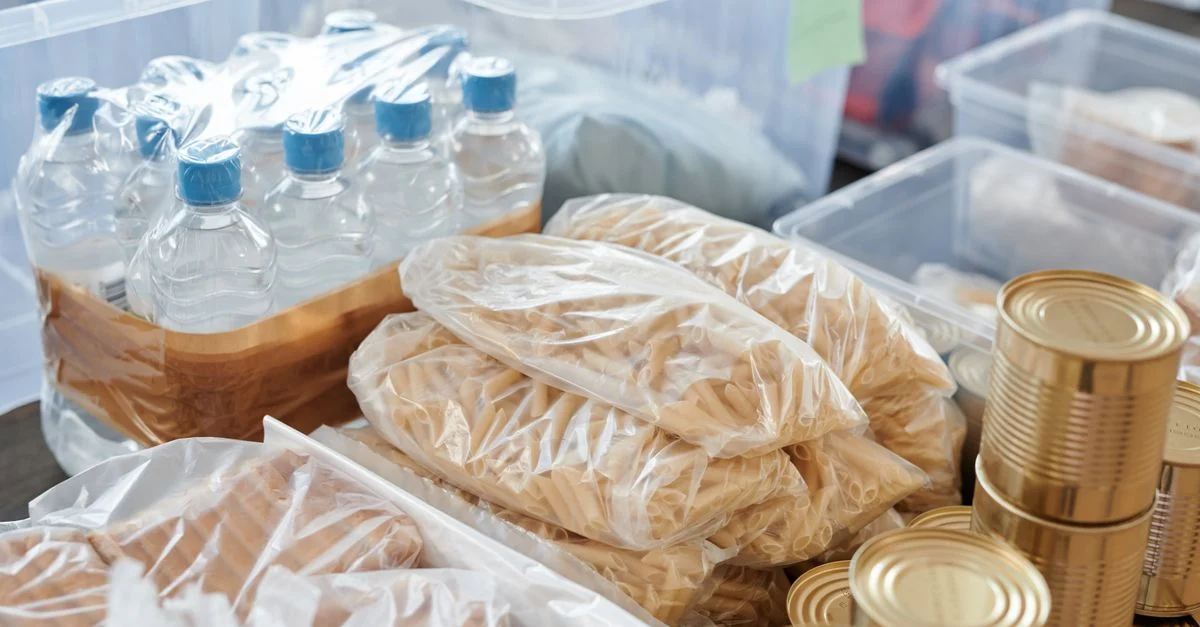
- Canned Goods: Veggies, fruits, meats (tuna, chicken), soups. Already cooked, last ages, inexpensive.
- Dried Goods: Pasta, rice (white lasts longer), dried beans, lentils. Cheap, versatile, take little space. Remember they usually need water and cooking.
- Nut Butters: Peanut butter, almond butter – calorie-dense, protein-packed, don’t need refrigeration until opened.
- Oats: Rolled or instant oatmeal are great for breakfasts, made with hot water (or cold in a pinch).
- Crackers & Granola Bars: Quick energy, no prep.
- Water: Crucial! At least one gallon per person per day for drinking and basic hygiene.
How much do you need? Start with a 3-day supply for each person. Then gradually work up to a week, two weeks, and eventually a month or more. Make a list of these items and decide how many days or weeks of food you want ready for each person. Don’t forget pets! This planning is crucial for building a resilient emergency-food-stockpile without overspending. It’s about smart food security at home.
Smart Shopping Strategies for Your Emergency Food
Okay, you’ve got your list. Now, how do we actually buy all this without feeling like we’re emptying our bank account? This is where smart shopping strategies come into play, making your budget go a heck of a lot further. Building a frugal-emergency-supply is totally doable!
First off, look for sales, always! This might seem obvious, but it’s truly the golden rule of budget-friendly stocking up. When you see those “buy one, get one free” deals on canned goods, or a big discount on a bag of rice, that’s your cue. Stock up on those non-perishable items when they’re at their lowest price. Keep an eye on weekly flyers and store apps.
Coupons are your friend. Don’t dismiss them! Even a dollar off a case of water or a few cents off a can of beans adds up over time. Combine coupons with sales for maximum savings.
Buying in bulk can be a game-changer, especially for staples like rice, pasta, and dried beans. Places like Costco, Sam’s Club, or even the bulk bins at your local grocery store can offer significant savings per unit. Just make sure you have a good, dry place to store these larger quantities. Remember, the goal is long-term-food-storage, so buying larger quantities of shelf-stable items makes sense.
Here’s a really practical tip: Instead of trying to buy everything at once, which can feel overwhelming and expensive, add a few extra non-perishable items to your regular grocery cart each week. So, if you normally buy one can of black beans, grab two. If you need a box of pasta, pick up an extra one. This “two-for-one” or “one-extra-per-trip” method spreads out the cost beautifully. You won’t even notice the extra few dollars, but slowly and surely, your emergency-food-stockpile will grow. It’s like a slow, steady drip that eventually fills a bucket.
Think of it as an investment in your peace of mind. You’re not just buying food; you’re buying security. This approach makes building your disaster-preparedness-food supply feel less like a chore and more like a natural part of your weekly routine. It’s all about being strategic with your spending to build that essential food security at home.
Storing Your Food Safely and Smartly
So, you’ve got your budget-friendly emergency food. Awesome! But buying it is only half the battle. The next crucial step is making sure you store it correctly so it stays good for a long, long time. We don’t want any wasted effort or spoiled food when you need it most, right?
The golden rule for storing most emergency food items is to find a cool, dark, dry place.
- Cool: Extreme temperatures can degrade food quality and shorten shelf life. Avoid storing food near appliances that generate heat (like your oven or water heater) or in direct sunlight. A basement, a cool pantry, or even a closet that doesn’t get too warm is ideal.
- Dark: Light, especially direct sunlight, can also degrade food, particularly things in clear packaging or glass jars. Keep your food out of the light.
- Dry: Moisture is the enemy! It can lead to rust on cans, mold on dried goods, and attract pests. Make sure your storage area is free from leaks and humidity. If you live in a humid climate, consider using moisture absorbers in your storage area.
Beyond the environment, think about protection from pests. Mice, insects, and other critters would love to get into your food supply. Use sturdy, airtight containers for anything that’s not already in a sealed can or jar. Large plastic bins with tight-fitting lids are fantastic for storing bags of rice, pasta, or dried beans. Mylar bags with oxygen absorbers inside food-grade buckets are another excellent option for very long-term storage of dry goods.
And here’s a super important tip: make sure everything is clearly labeled with the date you bought it. You can use a permanent marker directly on cans or boxes, or stick on labels. This helps you keep track of what’s oldest and needs to be used first, which brings us to our next point. Proper labeling and organization are key to effective long-term-food-storage and maintaining your emergency-food-stockpile. It’s all part of smart food security at home.
Making Your Stockpile Last: Rotation and Maintenance
Alright, you’ve planned, shopped smart, and stored your food well. You’re doing great! But building an emergency food stockpile isn’t a “set it and forget it” deal. To truly make it last and ensure everything is fresh, you need a system for rotation and maintenance. This prevents waste and keeps your supply ready.
The core principle is ‘first-in, first-out’ (FIFO). Simply put: use the oldest food items first, and replace them with new ones. Think of it like a grocery store shelf – new milk goes behind older cartons. You want to do the same.
Here’s how:
- When you buy a new can of beans, put it at the back of your shelf. Move older cans to the front. Next time you need beans, you’ll grab an older one.
- Incorporate emergency foods into regular meal planning. This is the easiest way to rotate. Eat a can of chili from your supply, then buy a new one to replace it, putting it at the back. This constantly refreshes your supply.
- Regularly check expiration dates. Every few months, pull out anything nearing its “best by” date and use it in your regular cooking. This prevents waste.
This continuous rotation means your emergency-food-stockpile is always fresh, always ready, and you’re not throwing away good food. It’s a sustainable way to maintain food security at home and ensures your disaster-preparedness-food supply is truly reliable. It might sound like extra work, but it becomes second nature. And the peace of mind it brings? Totally worth it. This proactive approach is key to effective long-term-food-storage and a resilient budget-food-prep strategy.
Ready for Anything: Your Path to Peace of Mind
So, there you have it, my friend. Building a smart emergency food stockpile on a budget isn’t about being rich or a doomsday prepper; it’s simply about being ready for life’s unexpected twists and turns. By choosing the right foods that fit your family’s tastes and needs, shopping smart to stretch your dollars, storing everything safely and securely, and then diligently rotating your stock, you can create a reliable, fresh food supply for your family without any undue stress or financial strain.
It’s a journey, not a sprint. You don’t have to do it all at once. Every little bit helps, and every extra can or bag of rice you add is a step towards greater peace of mind. So, why not start today? Add just one extra non-perishable item to your next shopping list. Your future self, calm and prepared during an unexpected event, will absolutely thank you for the foresight and effort. You’ve got this!