
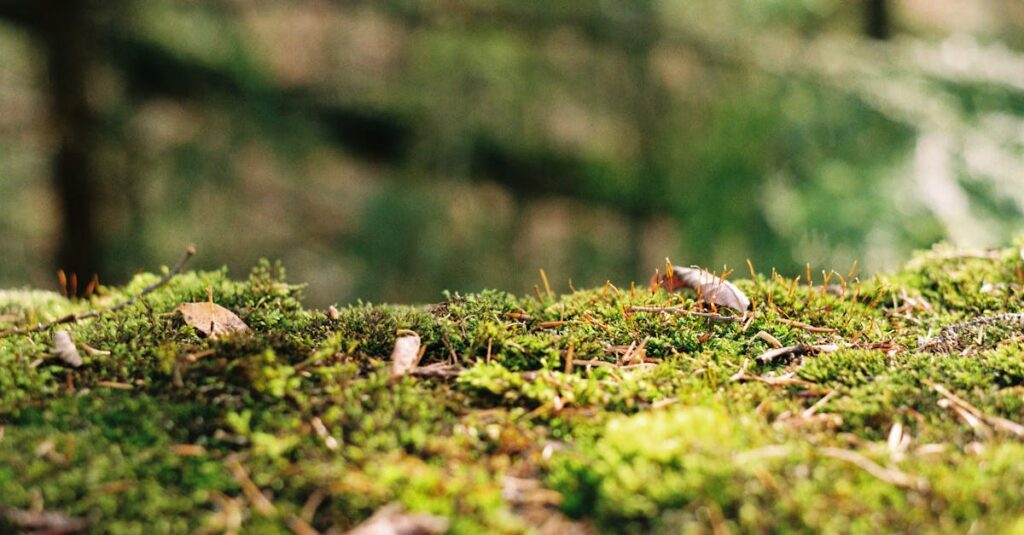
But here’s the cool part: knowing how to build a warm, dry bed from natural materials isn’t just some extreme survival skill reserved for TV shows. Nope! It’s a fantastic, deeply rewarding ability that connects you with the outdoors in a whole new way. It boosts your confidence like crazy, making you feel super capable, and honestly, it can truly make the difference between a miserable, shivering night and a surprisingly cozy, restorative one. It’s all about smart use of nature’s incredible insulation, and once you get the hang of it, you’ll feel like a true wilderness pro. So, let’s dig in and learn how to craft your very own natural slumber spot!
The Golden Rule: Get Off the Ground!
Alright, let’s get real for a second. The absolute first, non-negotiable rule for a warm bed in the wild is to get yourself off the cold, hard ground. Seriously, this is a game-changer. Think of the earth beneath you like a giant, greedy heat sink. It’s constantly sucking warmth right out of your body through conduction, even on a mild night. You could have the warmest blanket in the world on top of you, but if you’re directly on the cold ground, you’re going to lose heat, and you’re going to be uncomfortable. Trust me on this one; I’ve learned it the hard way!
So, how do we beat this heat thief? We build a natural mattress, of course! Your mission, should you choose to accept it, is to gather a truly enormous pile of dry, fluffy material. We’re talking dry leaves, pine needles, ferns, or dry grass – anything that’s light, airy, and can trap a heck of a lot of air. This trapped air is your secret weapon, your natural insulation, creating a barrier between your precious body heat and that cold, cold ground.
When I say “enormous pile,” I mean it. You’ll want to gather enough material to create a bed that’s at least 6-12 inches thick when compressed. That’s key – when you lie down on it, it’s going to flatten out. So, you need to start with a pile that looks almost comically large, maybe even waist-high before you lie on it. Imagine building a giant bird’s nest for yourself! Fluff it up, make it wide enough and long enough for your whole body, and then some. The more air pockets you create and trap, the better insulated you’ll be. Before you settle in, give it a good pat down to make sure it’s evenly distributed and there are no lumpy bits. And always, always check your materials for any unwelcome guests like insects or sharp sticks before you bring them into your sleeping area. A little extra effort here makes a world of difference for a good night’s rest.
Layer Up: Protection from Above and All-Around Warmth
Okay, so you’ve got your luxurious natural mattress, insulating you beautifully from the ground. High five! Now, the next crucial step is to protect yourself from moisture – think sneaky dew that settles in the early morning, or an unexpected drizzle of rain. And, just as important, we need to add more warmth from above, just like a natural blanket or duvet.
If you’re lucky enough to have a simple lean-to, a natural rock overhang, or some dense evergreen branches providing overhead cover, you’re already ahead of the game. That’s your first line of defense against moisture. But what if you don’t? No worries, nature still has your back!
You can use larger, drier leaves – think broad maple or oak leaves – or even pieces of bark to create a simple, water-shedding layer over your sleeping area. Arrange them like shingles on a roof, overlapping them so any moisture runs off rather than soaking through. This isn’t going to be a waterproof tent, but it’ll definitely help keep the dew and light rain off your immediate sleeping space. You can even prop up a few larger branches to create a mini-roof framework if you’re feeling ambitious.
Now for the warmth from above. This is where you get to really cozy up! Just like you piled material under you, you’re going to pile more dry, fluffy leaves, soft moss, or even more pine needles on top of you. Don’t be shy here! Think of it like a natural duvet. You can literally burrow into this pile, tucking the material around your sides, over your chest, and even up to your chin. The goal is to create another layer of trapped air all around your body. This is a classic primitive sleeping technique, sometimes called a ‘debris hut’ or ‘leaf bed,’ where you’re essentially creating a giant natural sleeping bag.
For an extra touch of comfort, you can even fashion a small pillow from a softer pile of moss or very fine, dry leaves. It makes a surprising difference! Remember, the more layers of trapped air you have – both below and above you – the warmer you’ll be. It’s all about minimizing heat loss to the surrounding environment. If you’re really going for maximum warmth, consider building up the sides of your bed with more material, creating a sort of natural ‘wall’ that helps hold in your body heat and blocks any drafts. This creates a truly snug, cocoon-like feeling.
Your Natural Bed Awaits!
So, there you have it! The two golden rules for crafting a surprisingly warm and dry primitive bed in the wild. First, insulate yourself thoroughly from the cold, heat-sucking ground with a thick, fluffy natural mattress. And second, protect yourself from moisture and add crucial warmth from above with natural coverings, essentially creating a natural sleeping bag around yourself.
Next time you’re out in the woods, whether you’re on a planned camping trip or just exploring, I really encourage you to give this a try. It’s more than just a survival skill; it’s a super rewarding experience that makes you feel incredibly capable, resourceful, and deeply connected to the natural world around you. You’ll look at a pile of leaves in a whole new light, I promise! Stay warm, stay dry, and happy exploring, my friend!