
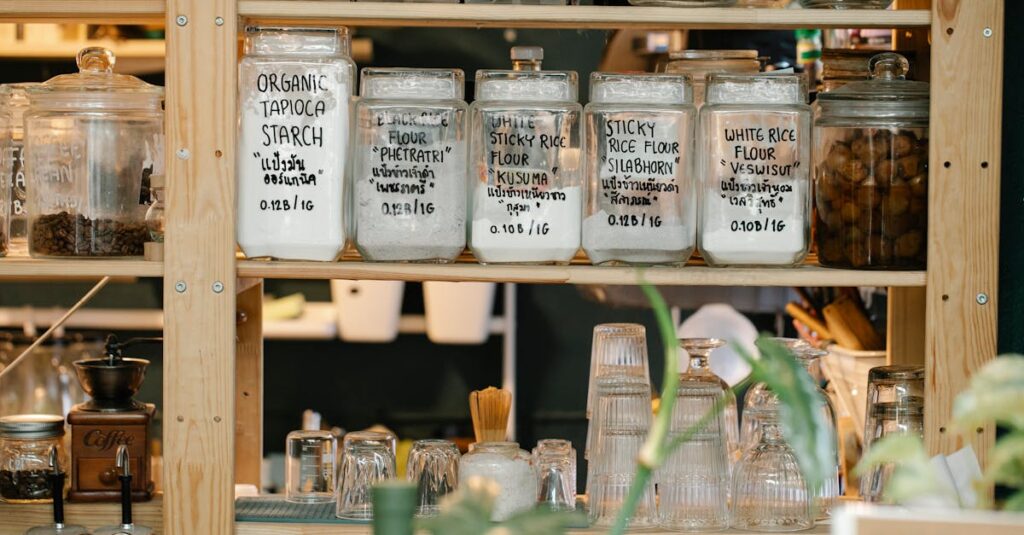
Ever felt that tiny knot of worry when you see the grocery store shelves looking a bit sparse, or when a big storm’s heading your way and everyone’s rushing to clear out the bread aisle? Or maybe you’re just like me – you want to be smart with your budget, cut down on those last-minute takeout orders, and always have the essentials on hand, no matter what life throws at you. Let’s be real, life can be unpredictable, right?
Building a long-term food supply isn’t about prepping for some doomsday scenario (though hey, being ready for anything isn’t a bad thing!). It’s really about everyday security. Think about it: an unexpected job change, a sudden power outage that lasts a few days, a nasty flu bug that keeps you from leaving the house, or even just wanting to save a heck of a lot of money on groceries by buying in bulk when prices are good. Having a well-stocked pantry means you’re covered. And guess what? It’s much simpler to start than you probably think. We’re not talking about building a bunker; we’re talking about making smart choices at the supermarket and setting up a little system at home. Ready to dive in?
Your Pantry’s Superheroes: What Foods Last Longest?
Alright, so the first step in building your food stash is knowing what to stash. You want foods that are non-perishable, pack a good nutritional punch, are easy to store, and, most importantly, foods you actually eat. Think of these as your pantry’s superheroes – reliable, long-lasting champions that can form the backbone of countless meals.
Let’s talk staples. These are the workhorses that will keep you fed and happy for a long time.
First up, grains. White rice is an absolute superstar here. Stored properly, it can last for 20-30 years, sometimes even longer! It’s versatile, filling, and a great source of energy. Pasta is another fantastic option, lasting several years. Oats, whether rolled or quick-cooking, are perfect for breakfasts and can be used in baking; they’ll typically last 1-2 years, but often longer if kept dry.
Next, legumes. Dried beans and lentils are incredibly nutrient-dense, packed with protein and fiber, and super affordable. They can last for decades if stored correctly. Think black beans, kidney beans, pinto beans, chickpeas – all fantastic for soups, stews, and side dishes. Canned beans are also great for shorter-term storage (1-5 years) because they’re ready to eat.
Don’t forget canned goods. These are your quick-meal heroes. Canned fruits (in water or light syrup), vegetables (corn, green beans, peas, tomatoes), and even canned meats (chicken, tuna, salmon) are fantastic. While they have a “best by” date, they often remain safe to eat for years beyond that, especially if stored well. Just make sure the cans aren’t bulging or severely dented. Canned soups and broths are also excellent.
Fats and Oils are important for cooking and calories. While oils don’t last as long, coconut oil and olive oil can last a couple of years if stored in a cool, dark place. Shortening lasts even longer. For very long-term, consider powdered butter or ghee.
Sweeteners and Flavor Enhancers are often overlooked but make a huge difference. Honey is practically immortal – it never spoils! Sugar (white granulated) also lasts indefinitely. Salt is another forever food, essential for cooking and preservation. Spices, while they lose potency, will still be usable for several years. Don’t forget bouillon cubes or powdered broth for flavor.
Drinks are also important. While water is paramount, powdered milk, coffee, and tea can be stored for a good while. Powdered milk is especially valuable for cooking and drinking.
A quick tip: When you’re picking out your superheroes, try to choose items that are versatile. The more ways you can use an ingredient, the more valuable it is. And remember to stock up on things you actually enjoy eating. You don’t want a pantry full of food you dread!
Keep It Fresh: Simple Storage Secrets
Okay, so you’ve got your list of pantry superheroes. Now, how do we make sure they actually last for years? This is where proper storage comes in, and honestly, it’s not rocket science. It’s all about creating the right environment for your food.
The golden rule for almost all long-term food storage is: cool, dark, and dry! Let’s break that down a bit.
Cool: Heat is the enemy of shelf life. It speeds up spoilage and degrades nutrients. Aim for a storage temperature between 50-70°F (10-21°C). Basements, cool closets, or an unused spare room can work wonders. Avoid storing food near heat-generating appliances.
Dark: Light, especially direct sunlight, can degrade vitamins and quality. Store your food in opaque containers or in a dark space like a pantry or closet.
Dry: Moisture is a huge no-no. It leads to mold, mildew, and bacterial growth, plus attracting pests. Keep your storage area as dry as possible. If you live in a humid climate, a dehumidifier might help. Always ensure food is completely dry before sealing.
Now, let’s talk about containers. This is where you really lock in that long shelf life.
- Airtight Bins and Buckets: Heavy-duty food-grade plastic bins or 5-gallon buckets with gamma seal lids are fantastic. They protect against moisture, pests, and some light.
- Mylar Bags with Oxygen Absorbers: This is the gold standard for very long-term storage of dry goods like rice, beans, oats, and pasta. Mylar blocks light, moisture, and oxygen. Combined with an oxygen absorber, it creates an almost vacuum-sealed space, dramatically extending shelf life by preventing oxidation and inhibiting insect growth. You typically place the Mylar bag inside a plastic bucket for added protection.
- Glass Jars: Mason jars are great for smaller quantities, especially if vacuum-sealing. They’re airtight and protect against pests, but store them in a dark place due to light exposure.
- Canned Goods: Commercially canned goods are already sealed. Just keep them cool and dark.
Pest Control: Nobody wants unwelcome guests! Airtight containers are your first line of defense. Keeping your storage area clean and tidy also helps.
Rotation is Your Best Friend: First In, First Out (FIFO)! This is a super important habit. When you buy new groceries, put the newer items behind the older ones. That way, you’re always using the food that’s been there the longest first. This prevents food from expiring and ensures you’re always cycling through your stock. Labeling everything with the purchase date is a simple way to keep track.
Think of your food storage as a living system. By regularly checking, rotating, and replenishing, you’ll ensure your supply is always fresh and ready when you need it. It’s a small effort for a huge payoff in security and peace of mind.
Conclusion
So, there you have it! Starting your long-term food storage journey really is totally achievable, isn’t it? It’s not about being extreme; it’s about making smart, practical choices that bring a huge sense of security to your everyday life. We’ve talked about picking those amazing, long-lasting pantry superheroes and then giving them the VIP treatment with proper storage to keep them fresh for years. It’s all about simple habits that add up to something really powerful.
Don’t feel overwhelmed by the idea of building a massive stockpile overnight. That’s not the goal here. The best way to start is small. Next time you’re at the grocery store, just pick up an extra can of beans, an extra bag of rice, or an extra box of pasta. Maybe grab a few extra Mylar bags or a sturdy plastic bin. Every little bit you add, every smart choice you make, builds towards a more prepared, more resilient, and ultimately, a more peaceful you. You’ve got this! Start today, and watch your peace of mind grow with your pantry.