
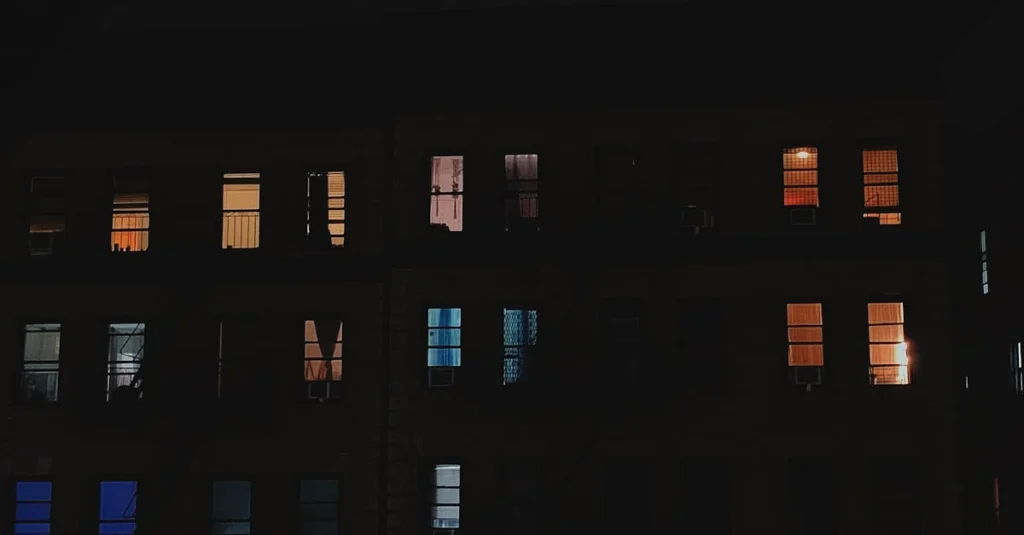
Blackouts happen, whether it’s a summer storm, a grid overload, or something totally unexpected. And when you’re in a high-rise, it’s not just about finding your way to the fridge. We’re talking about elevators that stop working, water pressure issues, no AC or heat, and a whole new level of ‘where’s my phone charger?!’ Don’t let a power outage turn into a full-blown panic attack! With a little smart prep, a dash of foresight, and a sprinkle of resourcefulness, you can totally stay safe, comfortable, and even a little bit calm when the grid decides to take a nap. Think of this as your friendly neighbor’s guide to conquering the dark. Let’s dive in!
Safety First: Navigating Your Darkened Domain Like a Pro
When the lights go out, your immediate safety and ability to move around without tripping over your own feet (or your cat!) are absolutely paramount. It’s easy to feel disoriented, especially if it’s pitch black. So, let’s talk about how to make sure you’re not just fumbling in the dark, but confidently navigating your space.
First things first: ditch the phone flashlight! Seriously, save that precious battery for actual emergencies or communicating with loved ones. Instead, have dedicated flashlights or, even better, headlamps ready and easily accessible. We’re talking about one in your nightstand, one in the living room, and maybe one by the front door. Headlamps are a game-changer because they keep your hands free – perfect for carrying things, opening doors, or even making a quick snack. Battery-powered lanterns are also fantastic for lighting up a whole room, creating a much more comforting ambiance than a single beam of light.
Now, about getting around. You know your apartment like the back of your hand, right? But in the dark, every piece of furniture becomes a potential obstacle. Take a mental (or even physical, if you’re feeling ambitious) walk through your main pathways before a blackout. Clear any clutter, especially in hallways and around exits. Consider putting a few glow-in-the-dark stickers or tape on light switches, door handles, or even the edge of a counter. It sounds simple, but it can make a heck of a lot of difference when you can’t see a thing.
This next one is crucial, and I can’t stress it enough: know your building’s emergency stairwells and never use the elevator during a blackout. I repeat, never use the elevator. It’s not just about getting stuck (though that’s a terrifying thought!), but also about safety. Elevators rely on electricity, and if the power goes out, they can stop abruptly between floors. Familiarize yourself with the nearest stairwell exit from your apartment and from common areas. Walk it once or twice, so you know exactly what to expect. If you need to evacuate or just get to a lower floor, the stairs are your only safe bet. And remember, if you do use the stairs, take your time, hold the handrail, and be mindful of others.
Beyond just getting around, think about your building’s overall safety protocols. Does your building have an emergency plan? Do they have a designated meeting point outside? It’s a good idea to know who to contact – building management, security – and how to reach them if your phone is out of juice or service is spotty. A fully charged, old-school landline phone (if you still have one and it’s not VoIP) can be a lifesaver, as can a battery-powered radio to tune into local emergency broadcasts. And speaking of safety, make sure your doors are locked and windows secured. A blackout can sometimes bring out opportunistic individuals, so it’s always better to be safe than sorry.
Finally, a quick word on fire safety: absolutely no candles! I know, they look cozy and romantic, but in a dark, potentially disorienting environment, they are a serious fire hazard, especially in a high-rise. Stick to battery-powered lighting. Also, avoid using gas stoves or ovens for heat or light. Carbon monoxide poisoning is a silent killer, and ventilation might be compromised without power.
Resourcefulness is Your Superpower: Essential Supplies & Smart Habits
Okay, so you’ve got your lighting sorted and you know your escape routes. Now, let’s talk about making sure you’re not just safe, but also comfortable and well-fed. Having a well-stocked emergency kit and a few smart habits makes all the difference between a stressful ordeal and a manageable adventure.
Think of your emergency kit as your personal superhero utility belt. What goes in it? Let’s break it down:
1. Water, Water, Everywhere (But Especially in Your Kit!): This is non-negotiable. You’ll need at least one gallon of water per person per day for drinking and basic hygiene. For a 72-hour blackout, that’s three gallons per person. Keep a few large bottles or jugs stored away. If you have pets, don’t forget water for them too! And remember, without power, your building’s water pump might not work, meaning no running water from your taps, especially on higher floors.
2. Food That Doesn’t Need a Fridge or a Microwave: Stock up on non-perishable food items that don’t require cooking or refrigeration. Think canned goods (soups, vegetables, tuna, beans – and don’t forget a manual can opener!), energy bars, dried fruit, nuts, peanut butter, crackers, and cereal. Comfort foods like chocolate or hard candies can also be a nice morale boost. Aim for a 3-day supply, but a week’s worth is even better if you have the space.
3. Power Up Your Power Banks: Your phone is your lifeline to the outside world, but only if it’s charged. Invest in a good quality, fully charged power bank (or two!). Keep it charged at all times, not just when a storm is brewing. A small solar charger can also be a great backup for topping up smaller devices if the sun is out. Don’t forget extra batteries for your flashlights, lanterns, and any battery-powered radio you might have.
4. First Aid & Meds: A basic first-aid kit is a must-have for any home, but especially during a blackout when emergency services might be stretched thin. Include bandages, antiseptic wipes, pain relievers, any personal prescription medications (with a few days’ extra supply), and any specific items for family members with medical conditions. If someone relies on power-dependent medical equipment, you must have a plan for backup power or evacuation.
5. Staying Comfy (Warm or Cool): Without AC or heat, your apartment can quickly become uncomfortable. If it’s cold, have extra blankets, sleeping bags, or warm clothing readily available. Layering is key! If it’s hot, think about battery-operated fans, spray bottles with water, and light, breathable clothing. Close blinds or curtains during the day to block out sun, and open windows at night if it’s cooler outside (but be mindful of security).
6. Hygiene & Sanitation: Without running water, staying clean can be a challenge. Stock up on wet wipes, hand sanitizer, dry shampoo, and garbage bags for waste disposal. A bucket with a tight-fitting lid can serve as an emergency toilet if your regular one isn’t flushing, just line it with a bag and use kitty litter or sawdust to absorb odors.
7. Entertainment & Morale Boosters: A blackout can be boring, and boredom can lead to anxiety. Have some non-electronic entertainment on hand: books, board games, playing cards, puzzles. It’s a great way to pass the time and connect with family or roommates. A good old-fashioned deck of cards can work wonders!
8. Cash is King: ATMs won’t work without power, and many stores might not be able to process credit cards. Keep a small stash of cash in small denominations for any unexpected needs.
9. Community Connection: Don’t forget your neighbors! If it’s safe to do so, check in on elderly or vulnerable neighbors. Share resources if you can. A strong community bond can make a huge difference during a crisis.
Don’t Get Caught in the Dark: Your Action Plan Starts Now!
So, there you have it. Being prepared for a high-rise blackout really boils down to prioritizing your immediate safety, knowing your building’s emergency exits like the back of your hand, and having a well-thought-out stash of essential supplies. It’s not about being a doomsday prepper; it’s about being a smart, responsible apartment dweller who can handle whatever comes their way.
Don’t wait for the next storm warning or that sudden flicker of lights to kick your prep into high gear! Start building your blackout kit today. Even just gathering a few items each week can make a huge difference. And hey, if you’ve got your own clever high-rise blackout survival tips or funny stories from a past power outage, I’d love to hear them! Share your wisdom in the comments below. Stay safe out there, neighbors!