Now, let’s get real for a second. Being prepared isn’t about living in fear or imagining the worst-case scenario every single day. Nope, not at all! It’s about being smart, proactive, and giving yourself and your loved ones that incredible feeling of peace of mind when it truly matters most. Think of it this way: having a well-stocked, ready-to-go bag isn’t just a collection of stuff; it’s your personal safety net, your emergency escape plan, and your ticket to feeling a whole lot more secure, no matter what unexpected curveball life throws your way.
We’re talking about your ultimate 72-hour go-bag here – that crucial kit designed to get you through the first three days of any crisis. Whether it’s a sudden evacuation, a prolonged power outage, or just an unforeseen emergency, this bag is your lifeline. It’s packed with everything you’d need to sustain yourself and your family for those critical initial hours, giving you time to assess, react, and move forward. So, are you ready to build that peace of mind? Let’s dive in and get you crisis-ready!
The Absolute Essentials: Water, Food, and First Aid
Alright, let’s kick things off with the absolute non-negotiables, the bedrock of any good emergency plan: water, food, and first aid. These aren’t just items; they’re your top priorities for basic survival, maintaining your health, and keeping your spirits up when things get tough.
Hydration is Your Lifeline: Water, Water, Everywhere (Hopefully!)
First up, water. You know how important it is, right? We’re talking about at least 3 liters of water per person, per day, for those crucial 72 hours. That’s a good starting point, but honestly, more is always better if you can manage the weight. Think about packing bottled water that’s easy to grab and go. But here’s a pro tip: don’t just rely on bottled water. What if your initial supply runs out? That’s where water purification tablets or a portable water filter (like a Lifestraw or Sawyer Mini) become absolute game-changers. These small, lightweight tools can turn questionable water sources into drinkable water, extending your hydration capabilities significantly. Remember to rotate your stored water every six months or so to ensure it’s fresh and safe. Staying hydrated isn’t just about quenching thirst; it’s vital for your physical and mental function, especially under stress.
Fueling Your Body: Smart Snacks for Tough Times
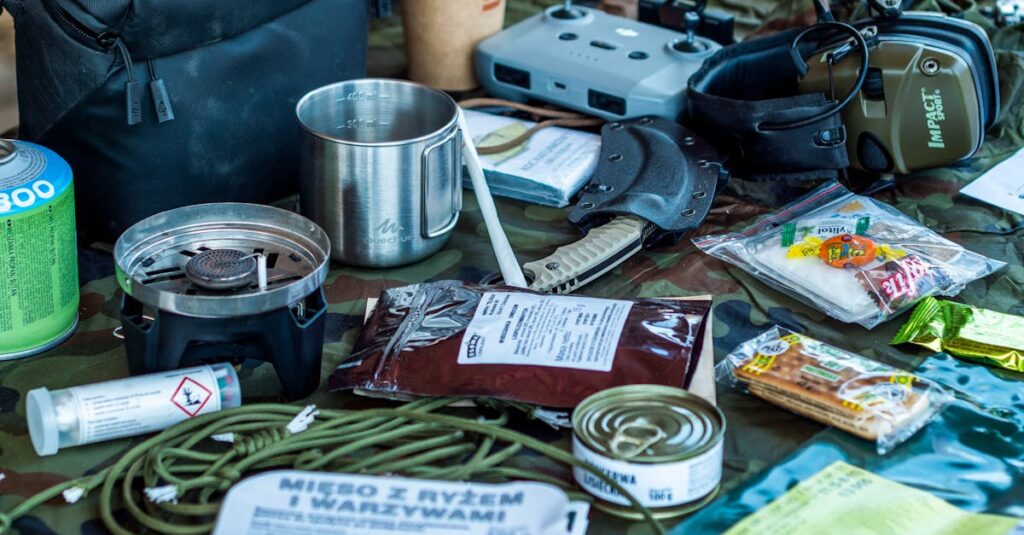
Next, let’s talk about food. When you’re in an emergency, you won’t have time or resources for gourmet meals. We need easy-to-eat, non-perishable snacks that pack a caloric punch and don’t require any cooking or refrigeration. Think energy bars, protein bars, dried fruit, nuts, jerky, and even some ready-to-eat pouches or MREs if you have space. The key here is high-calorie, compact, and long shelf-life. Avoid anything that’ll make you thirsty, like overly salty snacks, unless you have an abundance of water. These foods aren’t just about satisfying hunger; they’re about providing the energy you’ll need to think clearly, stay warm, and keep moving. Make sure you pack enough for 72 hours for each person, and just like water, check those expiration dates regularly!
Patching Up: Your Essential First-Aid Kit
Last but certainly not least in this essential category is your first-aid kit. This isn’t just for major emergencies; it’s for those minor injuries and common ailments that can quickly become bigger problems if left untreated. A compact, well-stocked first-aid kit is a must-have. What should be in it?
- Bandages: Assorted sizes, including adhesive strips and gauze pads.
- Antiseptic wipes or solution: To clean wounds.
- Medical tape: To secure dressings.
- Pain relievers: Ibuprofen or acetaminophen.
- Any personal prescription medications: Crucial! At least a 3-day supply, ideally more.
- Allergy medication: Antihistamines.
- Burn cream or aloe vera.
- Small scissors and tweezers.
- Gloves: Non-latex.
- Hand sanitizer.
- Moleskin: For blisters, a real pain if you’re on the move.
Beyond just having the kit, take a few minutes to familiarize yourself with its contents and how to use them. A basic understanding of first aid can make a world of difference. Remember, a small cut or scrape can get infected quickly in less-than-ideal conditions, so being able to treat it promptly is super important for your overall health and well-being during those critical 72 hours.
Beyond the Basics: Shelter, Communication, and Important Docs
Okay, so you’ve got your core survival needs covered. Now, let’s talk about the next layer of preparedness – the items that keep you safe, connected, and your identity secure when you’re navigating those first three days of uncertainty. These are the things that move you beyond just surviving to actually managing the situation effectively.
Finding Your Safe Haven: Shelter from the Storm
When you’re forced to leave your home, having a plan for shelter is absolutely vital. You might not always have access to a designated emergency shelter, or you might need to hunker down somewhere unexpected. That’s why a lightweight emergency blanket (those Mylar ones are surprisingly effective at retaining body heat!) or a small tarp is a must-have. These can offer protection from rain, wind, and cold, which can quickly become dangerous if you’re exposed.
If space allows, a compact, lightweight emergency sleeping bag or even a small, single-person tent can make a huge difference in comfort and safety, especially in colder climates or if you anticipate needing to spend a night or two outdoors. Don’t forget some sturdy cordage or paracord – it’s incredibly versatile for setting up a makeshift shelter, hanging clothes, or even for minor repairs. The goal here is to protect yourself from the elements, maintain your body temperature, and get some much-needed rest. Remember, staying warm and dry is paramount for your health and morale during those initial 72 hours.
Staying Connected & Informed: Communication is Key
In a crisis, information is power, and being able to communicate is priceless. Your phone is probably the first thing you’d grab, right? So, a fully charged power bank (or two!) with the necessary charging cables for all your devices is non-negotiable. Make sure they’re charged and ready to go at all times. But what happens if the cell towers are down, or your battery dies?
That’s where a hand-crank or solar-powered radio comes into play. These little gadgets can be lifesavers, allowing you to tune into emergency broadcasts for critical updates, weather alerts, and evacuation instructions, even when the grid is down. Don’t underestimate the power of simple signaling tools either: a loud whistle can help rescuers find you, and a small signal mirror can be surprisingly effective over long distances. Having a reliable way to get information and signal for help can drastically improve your situation during those critical first three days.
Protecting Your Identity & Future: Important Documents & Cash
Last but certainly not least in this category, let’s talk about your vital paperwork and some practical essentials. Imagine trying to prove who you are or access funds without your documents. It’s a nightmare! So, include waterproof copies of your most important IDs: driver’s license, passport, birth certificates, social security cards, and insurance cards (health, home, auto). It’s also a smart move to have a list of emergency contacts (family, doctors, out-of-state contacts) written down, not just stored on your phone.
Beyond documents, don’t forget some cold, hard cash. ATMs might not be working, and credit card systems could be down. Small bills are best for quick transactions. A local map of your area, even if you think you know it like the back of your hand, can be invaluable if GPS is unavailable or unreliable. And a sturdy pen and a small notebook? Perfect for jotting down important information, directions, or messages. These items might seem small, but they’re huge for maintaining your identity, accessing resources, and navigating the challenges of the first 72 hours.
Conclusion
So, there you have it, my friend – your ultimate guide to building a robust 72-hour go-bag. We’ve covered the absolute essentials, from keeping you hydrated and fed to patching you up, and then moved on to ensuring you’re sheltered, connected, and your identity is secure. Having this bag ready and waiting means you’re not just hoping for the best when a crisis hits; you’re actively prepared for anything. You’ve taken control, and that’s a powerful feeling.
Remember, this isn’t about creating a perfect, one-size-fits-all solution. It’s about tailoring this list to your specific needs, your family’s needs, and your local environment. Think about any unique medical requirements, pet supplies, or even comfort items that would make a huge difference for your loved ones during a stressful time.
Don’t put it off! Seriously, take this as your friendly nudge. Start gathering your essentials today. Even just tackling one category a week can make a huge difference. And hey, I’d love to hear from you! What are your absolute must-have go-bag items? Share your best tips and tricks in the comments below – let’s build a community of preparedness together! Stay safe and stay ready!